A 2022 multinational analysis of ABCD Study data found that children (ages 9–10) who played more video games gained an average extra 2.5 IQ points over two years. The study controlled for genetic and socio-economic factors but did not prove causation and did not separate game types. Watching TV or using social media showed no measurable effect on IQ. Authors caution the findings are limited to U.S. children and do not address sleep, physical activity, wellbeing, or school performance.
Study: Children Who Play More Video Games Show Small IQ Gain — What the 2022 Research Found
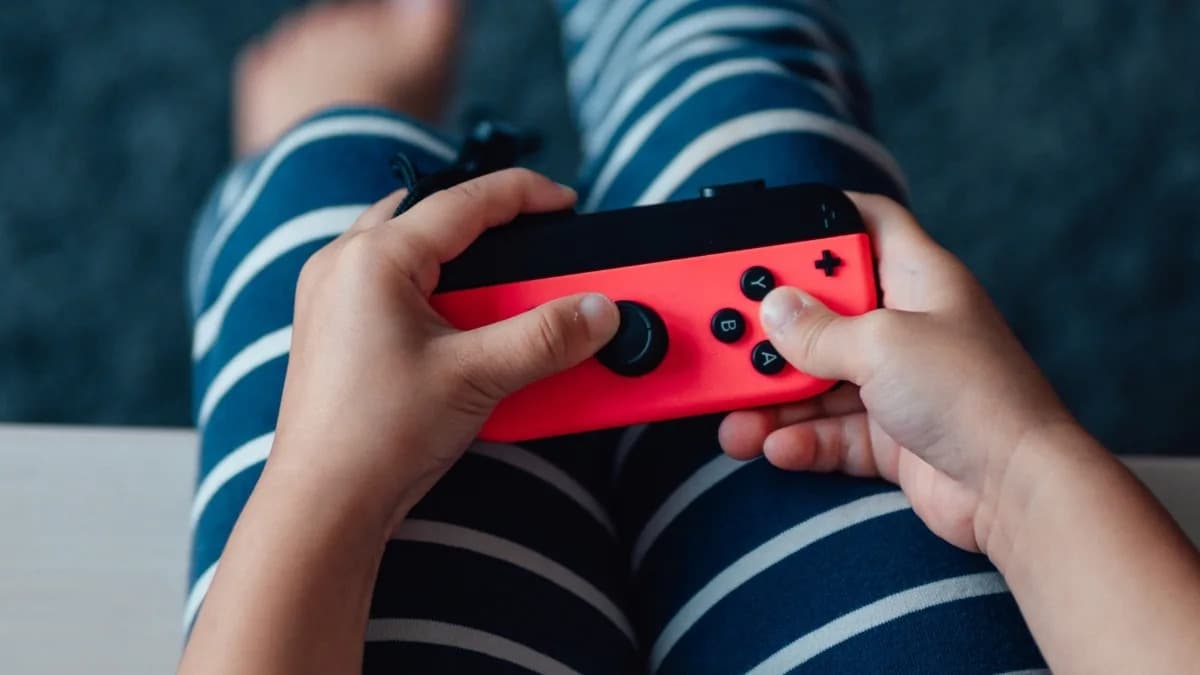
video game controller seen from above
A multinational research team found a modest association between greater time spent playing video games and a small increase in intelligence scores among children. The 2022 analysis aimed to account for genetic differences and socio-economic background, and its results challenge the simple narrative that screen time necessarily harms young minds.

Researchers linked spending more time playing video games with a boost in intelligence in children. (Yuganov Konstantin/Canva)
Study Design and Participants
The researchers used baseline screen-time and cognitive data from 9,855 U.S. children aged 9–10 enrolled in the ABCD Study, then analyzed follow-up data for more than 5,000 of those children collected two years later. On average, participants reported roughly 2.5 hours per day watching TV or online videos, about 1 hour playing video games, and approximately 30 minutes socializing online.

On average, the children reported spending 1 hour a day playing video games. (Zurijeta/Canva)
Key Findings
Children who spent more time than average playing video games showed an additional average gain of about 2.5 IQ points over the two-year period compared with the typical increase observed across the sample. The IQ measure was derived from standardized tasks including reading comprehension, visual-spatial processing, and a composite task assessing memory, cognitive flexibility, and self-control.

Subscribe to ScienceAlert's free fact-checked newsletter
"Screen time generally doesn't impair children's cognitive abilities, and playing video games can actually help boost intelligence," said neuroscientist Torkel Klingberg of the Karolinska Institute when the study was published.
Limitations and Cautions
Although the analysis controlled for genetics and socio-economic status, the observed association is small and does not establish causation. The study included only children in the United States and did not distinguish between types of video games (for example, mobile versus console, educational versus fast-action). The authors also noted they did not examine effects on physical activity, sleep, wellbeing, or school performance.
Context and Next Steps
The paper builds on earlier, mixed research and attempts to address common limitations such as small sample sizes and failure to account for inherited predispositions. The research was published in Scientific Reports in 2022. The team plans to study how environmental factors and brain development relate to the cognitive effects observed.
Bottom line: The study suggests a small positive association between video game play and cognitive gains in children, but further research is needed to understand causality, game types, and broader impacts on health and school outcomes.
Help us improve.