Researchers analyzing audio from the Perseverance rover have confirmed the first electrical discharges inside Martian dust storms. Published in Nature, the study shows triboelectric charging among dust grains produces brief static shocks and tiny electrical arcs. These discharges can form strongly oxidizing compounds that may destroy organics and help explain low methane levels, and they pose potential risks to spacecraft and future crewed missions.
Perseverance Records First Electrical Discharges Inside Martian Dust Storms

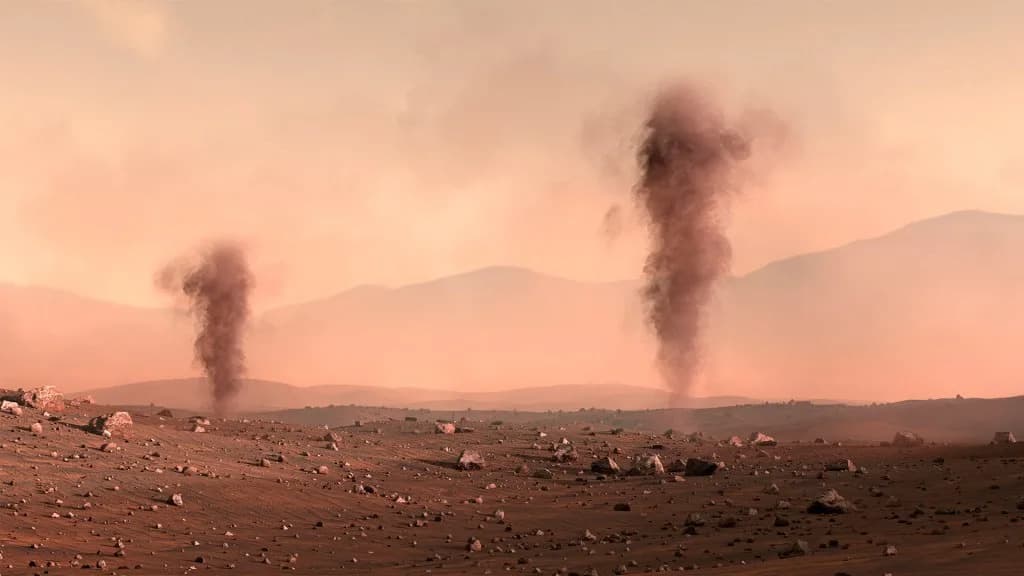
Scientists have confirmed the first recordings of small electrical discharges inside Martian dust storms. Analysis of audio captured by NASA's Perseverance rover shows that friction among suspended dust grains generates brief static shocks and tiny arcs of electricity within dust devils and plumes.
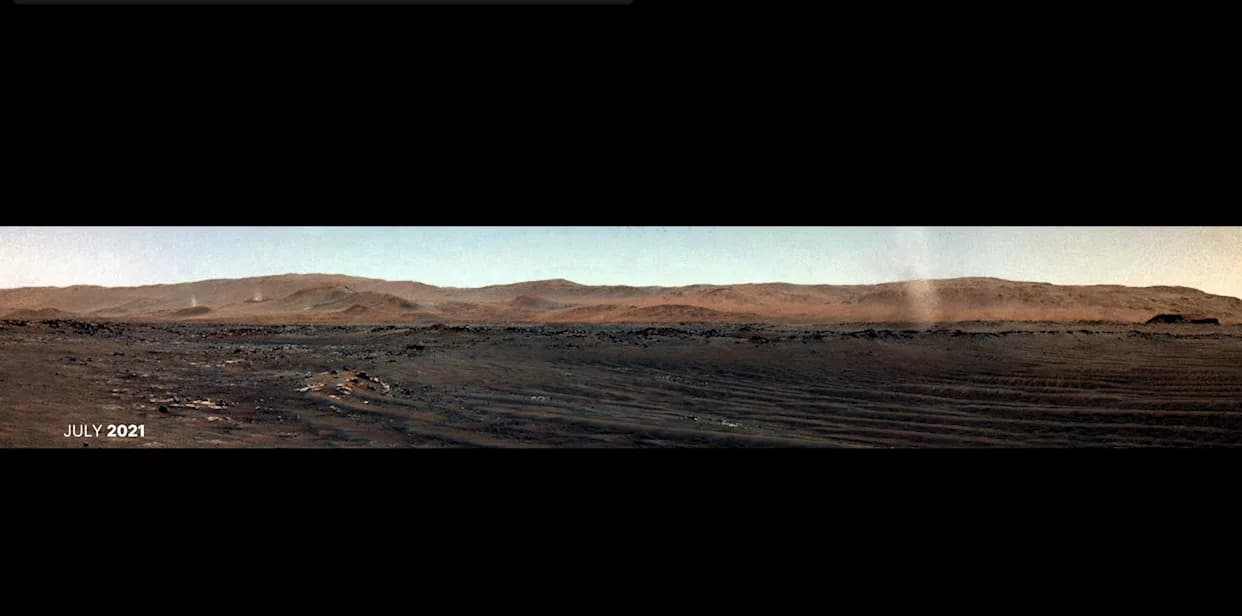
Perseverance's SuperCam package includes a microphone that recorded the first sounds from Mars in 2021 and has since logged more than 30 hours of audio. During one session, two small dust devils passed the rover, producing strong anomalous acoustic signals that researchers investigated.
How the discovery was made
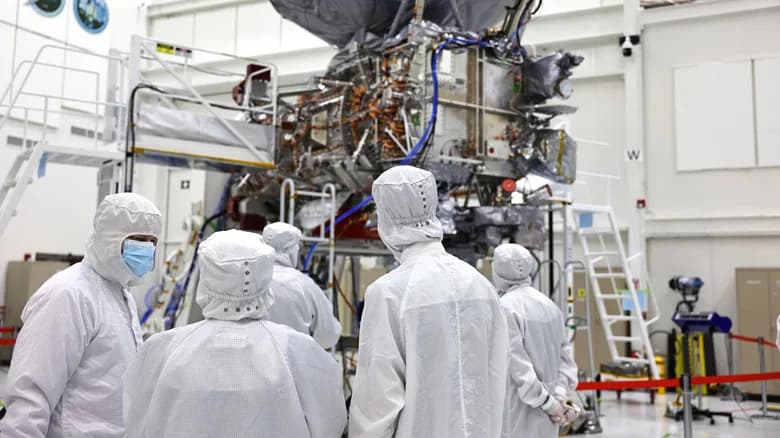
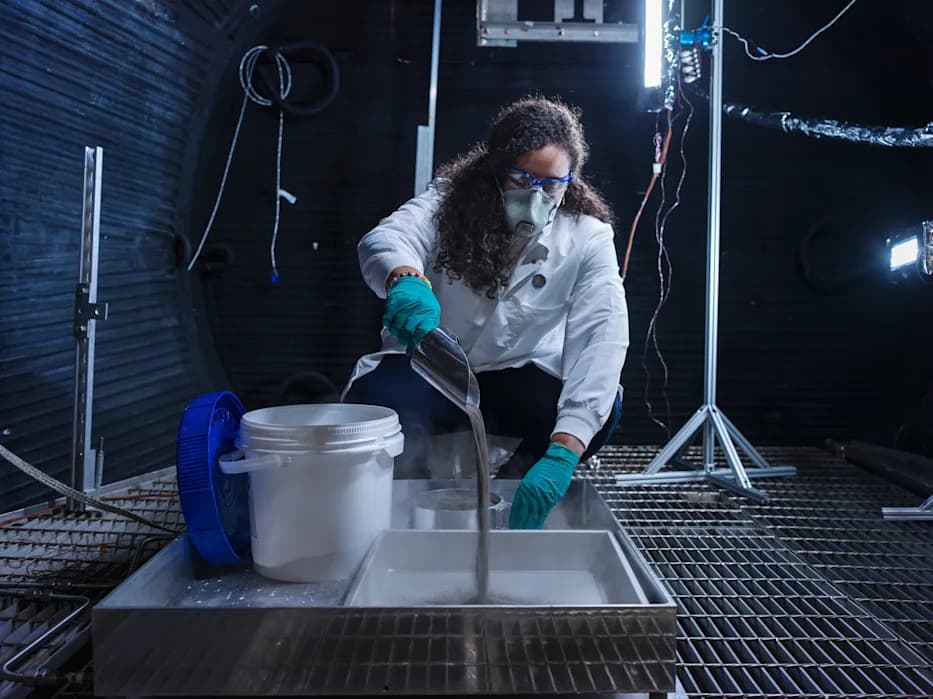
Teams at the University of Toulouse and the University of Versailles analyzed the recordings and determined the anomalous signals were consistent with electrical discharges created by triboelectric charging—the buildup and rapid release of static charge when particles rub together. Their results, published in Nature, identify short, terrestrial-like static shocks occurring in Martian dust clouds.
Why it matters
These discharges show the Martian atmosphere can reach charge levels sufficient to produce strongly oxidizing chemical species. Such oxidizers can break down organic molecules at the surface and may help explain the scarcity of organics and the low, fluctuating concentrations of methane in Mars' atmosphere.
The finding also has practical implications for spacecraft and human exploration. Electrical activity inside dust storms could interfere with sensitive electronics, communications, and surface systems. Future landers, rovers and crewed missions will need to account for electrostatic hazards in design, operations and safety planning.
Looking ahead
Beyond engineering concerns, electric chemistry in Martian dust plumes opens new questions about surface chemistry and atmospheric processes on Mars. Continued acoustic monitoring and coordinated measurements by orbital and surface assets will help constrain how common and powerful these discharges are, and what roles they play in Martian chemistry.
Help us improve.