Mutual aid is a grassroots practice where community members pool and share resources freely to meet urgent needs, often acting as first responders in crises. Interest has risen amid funding cuts, rising costs and political pressures that disproportionately affect vulnerable communities. Unlike many nonprofits, mutual aid groups are typically volunteer-led, emphasize collective decision-making and direct assistance, but they face legal, privacy and operational challenges. Organizers recommend clear records, volunteer training and careful data handling to protect participants and recipients.
Neighbors Helping Neighbors: Why Mutual Aid Is Growing and How It Works

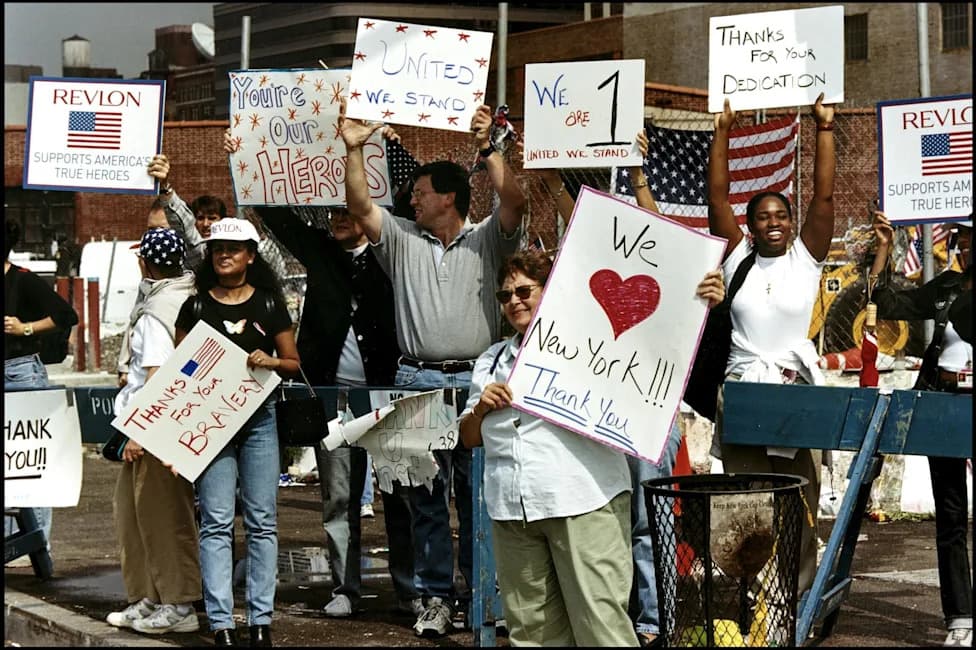
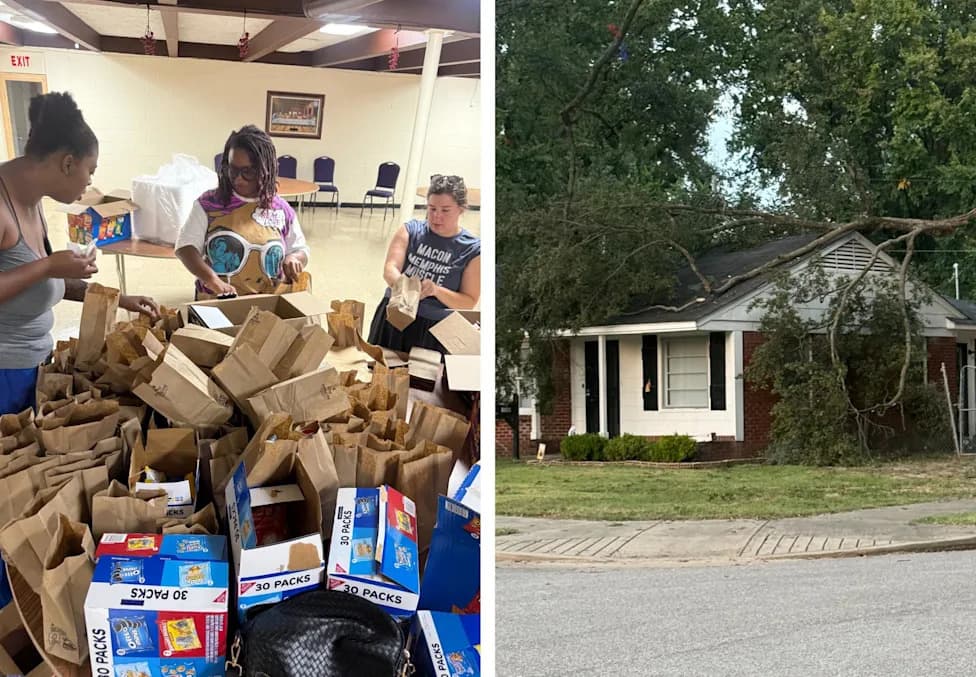
When major disruptions strike a neighborhood, residents and their neighbors are often the first to respond. Whether daily life stalls during a pandemic or a community is hit by a hurricane or wildfire, people frequently organize informally to care for one another.
Mutual aid refers to the practice of pooling community resources and sharing them freely to meet immediate needs. Interest in these grassroots efforts has increased as government funding tightens, prices rise and political uncertainty grows — pressures that particularly affect immigrant and other vulnerable communities.
Everyday examples
Mutual aid has deep roots in the United States, especially within immigrant and Black communities — from the Black Panthers’ Survival Programs to informal pooled savings circles. Common activities include sharing food, swapping household goods and clothing, running community tool libraries, and coordinating rides or childcare.
In recent years, mutual aid networks have also helped people access reproductive health care, including abortion services, and organized collective responses to immigration enforcement.
One local example: in 2019, community organizer Mary Zerkel helped establish a shared arts space and community hub in the Rogers Park neighborhood of Chicago alongside a local Food Not Bombs chapter. When the pandemic hit, they cleared out art supplies to make room for food storage. “All of a sudden, we had six fridges in there and we were feeding and delivering meals to 400 families,” Zerkel said. The group later added a free store, volunteer de‑escalation training and naloxone distribution and training.
How mutual aid differs from nonprofits
Many mutual aid networks are informal and not incorporated as nonprofits. Donations to such groups typically are not tax-deductible, but organizers say volunteer-operated models mean contributions go directly to community needs rather than to salaries or large overhead.
Organizers also emphasize collective decision-making and flattened hierarchies. Taylor Dudley, director of coalition building at the Center for Disaster Philanthropy, notes that mutual aid often centers community accountability, while many nonprofits must answer to donors, regulators or administrative requirements.
Nicholas Grosso, an organizer with Sunnyside and Woodside Mutual Aid in Queens, New York, said mutual aid can bridge gaps where formal systems fail — for example, by redirecting edible food that would otherwise be discarded directly to people who need it.
Risks, legal questions and privacy
Mutual aid depends on trust and personal relationships. Aaron Fernando of Shareable, which provides resources on mutual aid and cooperatives, says the small scale of many groups helps members assess who is dependable. Still, opportunists can sometimes strain systems.
Groups that collect money and distribute funds or use online payment processors should be cautious: some transfers can be flagged as income by payment platforms or tax authorities. The Sustainable Economies Law Center offers a practical guide outlining common scenarios and suggested approaches. Attorney Mohini Mookim with the center adds that many forms of unconditional aid are treated favorably under tax rules when actions are motivated by generosity, but groups should still be mindful of reporting requirements.
Privacy and surveillance are additional concerns: delivery programs should protect recipients’ addresses and other sensitive information. There have also been instances where police or local officials asked groups to stop food distributions — often for reasons tied to nearby businesses or residents’ objections rather than public-health risk.
Practical steps for mutual aid groups
Organizers commonly adopt several practical steps to strengthen their work: keep clear records of donations and distributions, establish simple accountability norms, limit who has access to sensitive data, train volunteers in de‑escalation and first aid, and build partnerships with other community organizations. These measures help protect both recipients and volunteers while keeping aid focused on immediate needs.
At its core, mutual aid is about neighbors helping neighbors — responding quickly and directly to local needs and building community resilience over time.
Help us improve.