Ten recent human‑interest stories showcase generosity, ingenuity and community care — from an 88‑year‑old veteran who received $1.7 million after a viral fundraiser to a factory providing jobs, housing and coaching for people in recovery. Other highlights include a revived "Grandma Stand" offering advice, a dog‑backpack campaign that boosted adoptions, a promising pancreatic cancer breath test, and a climate‑tech device turning air CO2 into synthetic gasoline. Each item illustrates practical compassion or promising innovation that improves everyday lives.
10 Uplifting Stories That Restore Faith In People — From a $1.7M Gift to Community Heroes

Karl Hendon / Getty Images
Here are ten recent human‑interest stories that prove generosity, creativity and community care still show up — often when people need them most. Each item below highlights ordinary people and small organizations doing extraordinary things.

Halfpoint / Getty Images
An 88‑Year‑Old Veteran Freed From Poverty
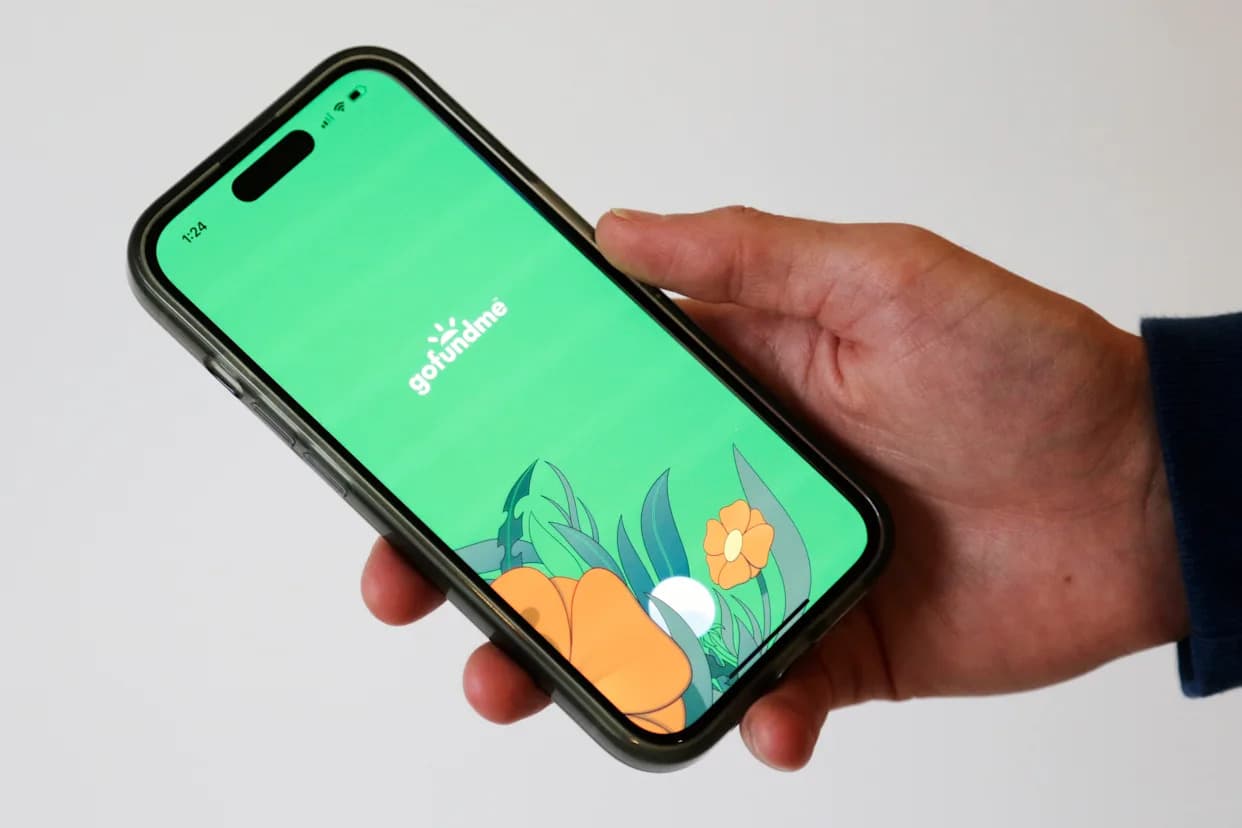
In Detroit, 88‑year‑old Army veteran Ed Bombas had been working full‑time at a grocery store after losing his pension and health insurance and facing mounting medical debt following his wife's illness and death. A TikTok user, Samuel Weidenhofer, launched a GoFundMe after learning Bombas's story; more than 50,000 donors contributed and the campaign raised about $1.7 million. When Bombas was presented with the donation, he was visibly moved and said the gift felt like a weight lifted from his shoulders (USA Today).
Jamie Mccarthy / Getty Images
Grandma Advice Booths Bring Comfort To Strangers
What began in 2012 as Mike Matthews's video‑chat booth connecting New Yorkers with his grandmother, Eileen, has been revived and expanded. After counseling thousands before her death at 102, Eileen's legacy now continues with about 15 volunteer grandmothers running "Grandma Stand" booths in New York City and more senior volunteers offering advice across the U.S. The project provides low‑pressure life guidance to people feeling stressed or isolated (Good Good Good).
Vladimir Vladimirov / Getty Images
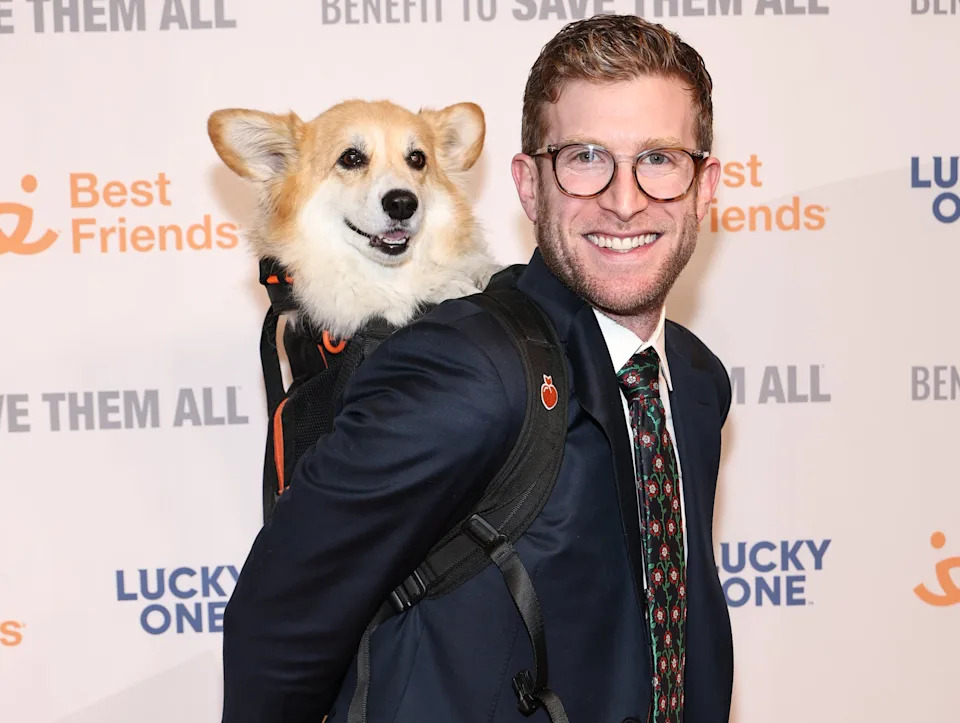
A Corgi And A Backpack Boost Shelter Adoptions
Bryan Reisberg, founder of the Little Chonk brand, popularized carrying his Corgi Maxine in a dog backpack and used that visibility to help shelters. Partnering with Best Friends Animal Society, Reisberg showcased adoptable dogs on weekly outings in New York City; all but one of the featured dogs have since been adopted. The shelter reports roughly 100 more adoptions compared with the prior year, crediting the social media exposure for much of the increase (The Washington Post).
Liudmila Evsegneeva / Getty Images
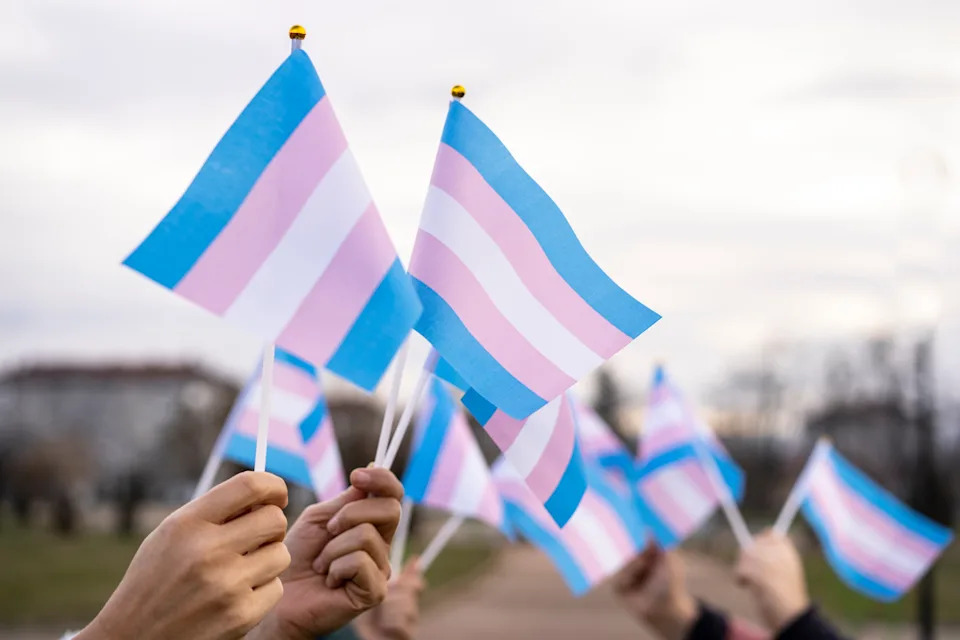
A Trans Pastor Finds Acceptance In Her Church
Rev. Dr. Phillippa "Pastor Phil" Phaneuf came out as transgender to her United Methodist Church congregation and received widespread support from parishioners and the broader community. She described the response as life‑changing — a clear example of inclusion within a religious institution that has often struggled with LGBTQ+ issues. Pastor Phil hopes her visibility helps others feel welcomed in faith communities (Advocate).

Jacob Wackerhausen / Getty Images
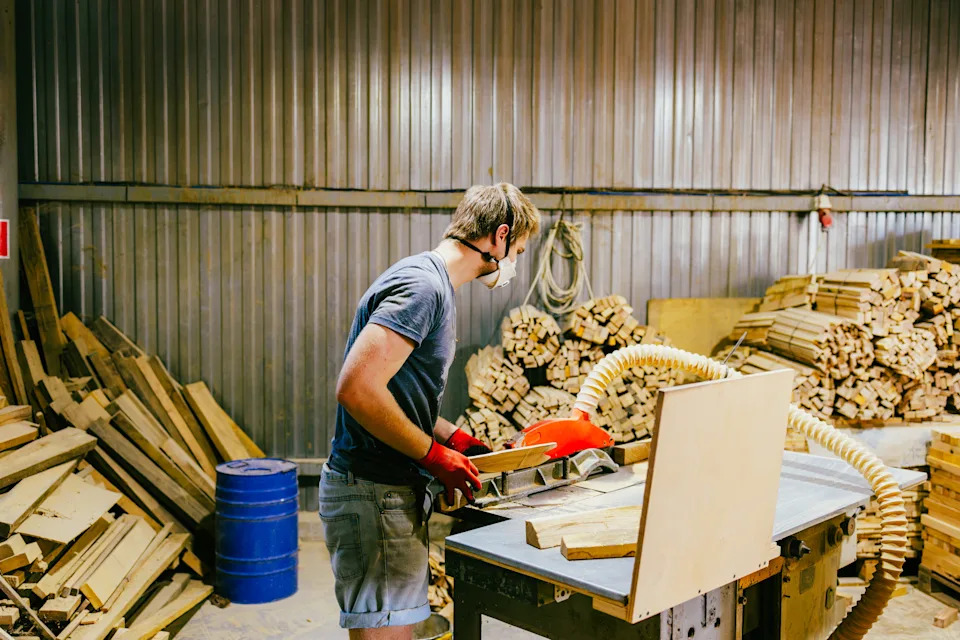
Factory Offers Jobs, Housing And Coaching For People In Recovery
Manthei Wood Products in Petoskey, Michigan, created a comprehensive re‑entry program for people leaving rehab: steady work, life‑skills coaching, converted motel rooms for sober housing, and automatic savings plans from wages. Owner Abe Manthei emphasizes that the effort goes beyond substance‑use support to practical needs like regaining a driver's license and building financial stability (Marketplace).
Alvaro Gonzalez / Getty Images
A Breath Test Shows Promise For Detecting Pancreatic Cancer
Researchers at Imperial College London, supported by Pancreatic Cancer UK, have advanced a breath test into a national clinical trial that detects markers associated with pancreatic cancer. Early results have prompted cautious optimism because pancreatic cancer is often diagnosed late; the trial represents a significant step toward earlier, less invasive detection (The Independent).

Westend61 / Getty Images
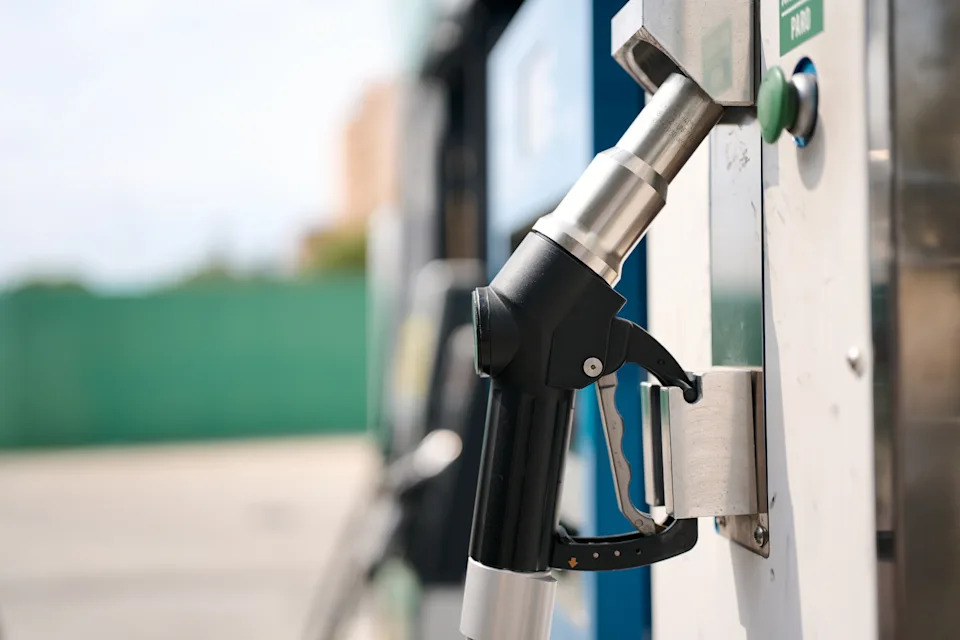
A Startup Turns Atmospheric CO2 Into Usable Fuel
Climate‑tech company Aircela demonstrated a device that captures carbon dioxide from air and converts it into synthetic gasoline that is carbon‑neutral and chemically similar to fossil gasoline. While not a permanent replacement for decarbonization and electrification, the technology could serve as a transitional solution that works with existing vehicles as low‑carbon infrastructure scales up (Indiana Reference Review).

South_agency / Getty Images
Restaurant Staff Rescue A Regular Customer
In Pensacola, Florida, 78‑year‑old Charlie Hicks — a daily regular at The Shrimp Basket — stopped showing up and staff began delivering his meals. When deliveries and calls went unanswered, chef Donell Stallworth checked on Charlie and found him on the floor, calling for help. Emergency responders treated him for dehydration and two broken ribs; the restaurant team later helped him move into an apartment next door to the restaurant (CBS News).
Imgorthand / Getty Images
Exotic Dancers Raise Toys For A Children's Hospital
A group of exotic dancers in Oregon has hosted a holiday fundraiser, Tatas for Toys, for 14 years, staging PG‑13 shows to collect donations for Doernbecher Children's Hospital. The event has become one of the hospital's largest seasonal donors, gathering nearly $200,000 in toys over time and raising tens of thousands in a single night in recent years (The Oregonian).
A Bus Driver Knits Hats To Keep Students Warm
In Putnam County, Oklahoma, bus driver Tina Hutcherson makes winter hats for every child on her route, often finishing a hat in about 30 minutes and making reversible designs so kids can change styles. Her goal is simple and profound: make sure no child boards her bus without warmth and the feeling that "somebody loves 'em" (KOCO News).
These stories — compiled from a range of outlets and social posts — are modest reminders that people continue to solve problems creatively and care for one another, often without fanfare.
Help us improve.