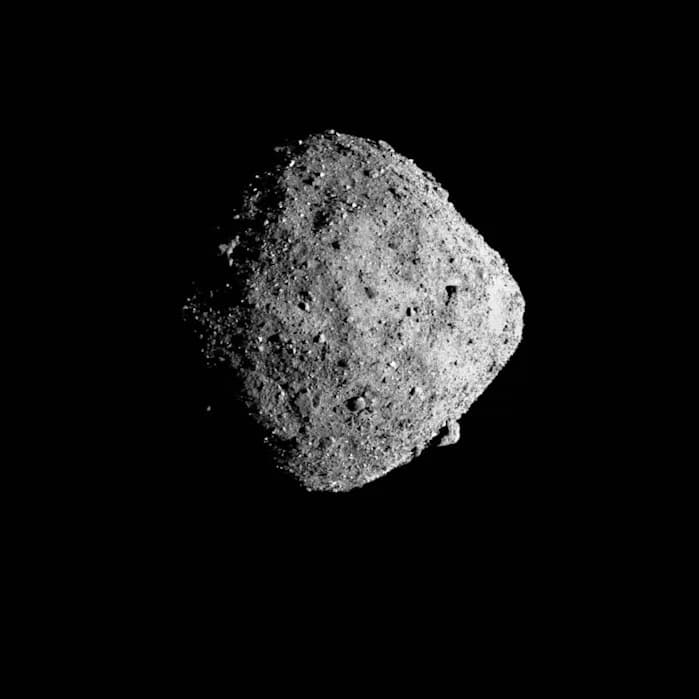
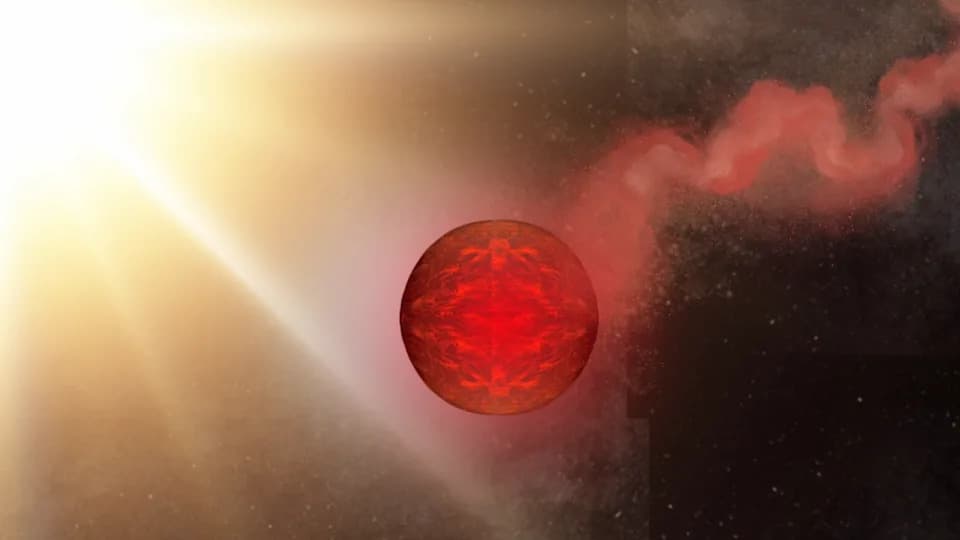
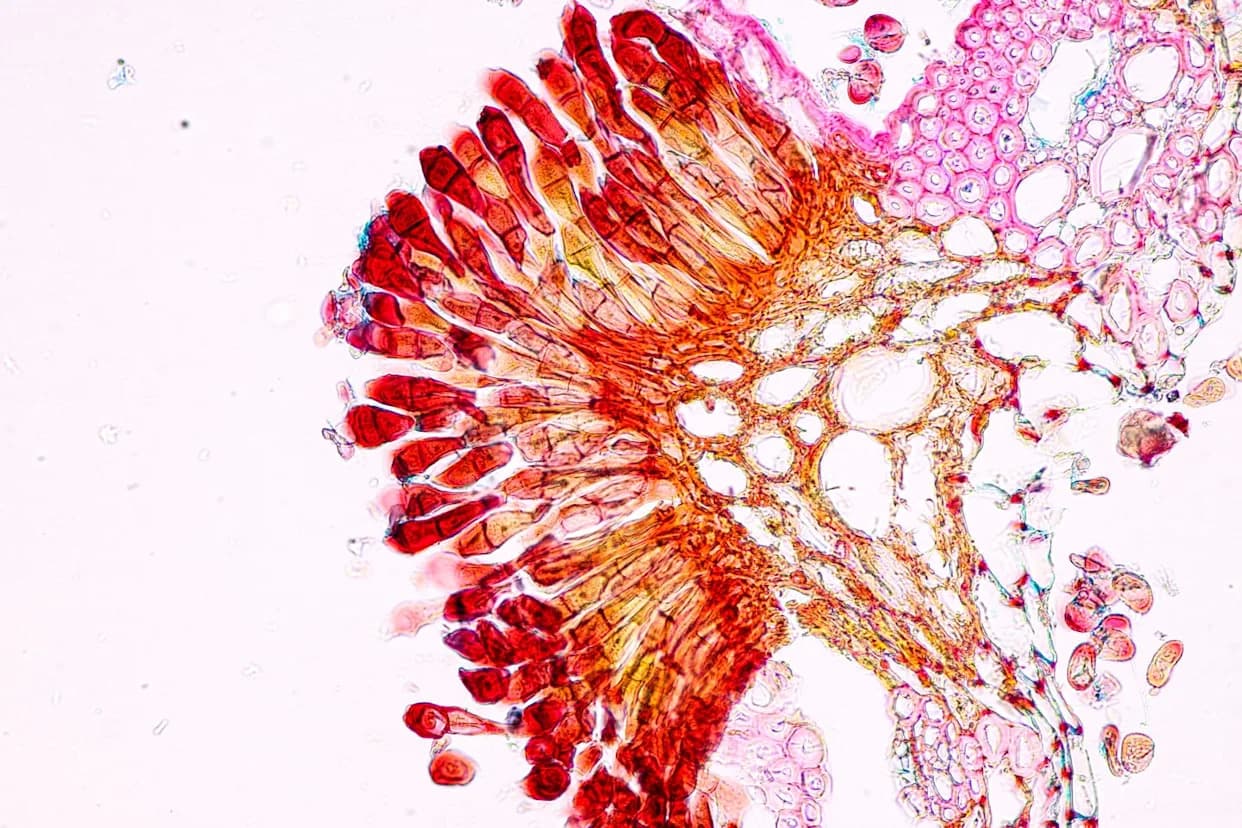
Scientists report a faint, consistent signal compatible with tryptophan in powdered samples from asteroid Bennu. If confirmed, this would be the first extraterrestrial detection of this fragile, essential amino acid and supports the idea that asteroids delivered prebiotic ingredients to early Earth. The team emphasizes that tryptophan can form abiotically and calls for enantiomeric and isotopic analyses to confirm its origin.
Tryptophan Signals Detected in Samples from Asteroid Bennu — A Mood-Linked Molecule Found in Space Rock

Researchers analyzing material returned by NASA's OSIRIS-REx mission report a faint but repeatable signal consistent with the essential amino acid tryptophan in powdered fragments of asteroid Bennu. If confirmed, this would be the first detection of tryptophan in an extraterrestrial sample and strengthens the view that small bodies delivered key prebiotic ingredients to early Earth.
What the team did
A team led by geochemist Angel Mojarro of NASA's Goddard Space Flight Center and collaborators at the University of Arizona re-examined Bennu fragments for the 20 standard protein-building amino acids and the five common nucleobases (adenine, guanine, cytosine, thymine and uracil). Their analysis confirmed 14 previously reported amino acids and the nucleobases, and identified several non-biological amino-acid-like compounds that support an extraterrestrial origin for the organics.
Why tryptophan matters
Tryptophan is one of nine amino acids humans cannot synthesize and must obtain from food. On Earth it is a precursor to serotonin (a neurotransmitter involved in mood and well-being), melatonin and vitamin B3. Because tryptophan is chemically fragile, it is unlikely to survive the intense heating a typical meteorite experiences during atmospheric entry, which may explain why it has not been found in meteorite collections.
Context and implications
The Bennu samples were collected and returned in a sealed canister, avoiding the heating and contamination that can destroy delicate molecules. Detecting a fragile compound such as tryptophan in these carefully preserved samples implies that some prebiotic molecules may be more widespread on primitive asteroids than previously recognized, and that sample-return missions are crucial for revealing them.
Caveats and next steps
The detected tryptophan signal was faint. Because tryptophan can form through non-biological chemistry, its mere presence is not evidence of life. The Bennu material is heterogeneous and brecciated, and the researchers found that multiple water-involved and mineral-dependent processes likely produced the observed organics. To firmly establish the origin of the tryptophan signal, the authors call for additional targeted measurements, especially enantiomeric (left vs. right-handed) and isotopic analyses that can distinguish biological from abiotic sources.
'Additional targeted analyses of tryptophan using other techniques capable of measuring its enantiomeric and isotopic compositions are needed to firmly establish its origin in Bennu and possibly other astromaterials,' the team writes.
The findings have been published in the Proceedings of the National Academy of Sciences. Continued sample-return missions from a variety of planetary bodies are expected to deepen our understanding of cosmochemical pathways that produce prebiotic molecules.
Help us improve.