South Africa, Eswatini and Zambia have begun public distribution of lenacapavir, a twice‑yearly injectable shown in trials to reduce HIV transmission risk by over 99.9%. The initial rollouts are supported by Unitaid and a Wits University research unit, while Gilead has pledged no‑profit supplies for two million people over three years—an effort critics say is insufficient. Generics are expected from 2027 at around $40 per year for many countries, which could address adherence challenges tied to daily oral PrEP and substantially expand prevention options in high‑burden regions.
Twice‑Yearly Lenacapavir Injections Begin Public Rollout in Africa — A Potential Game‑Changer for HIV Prevention

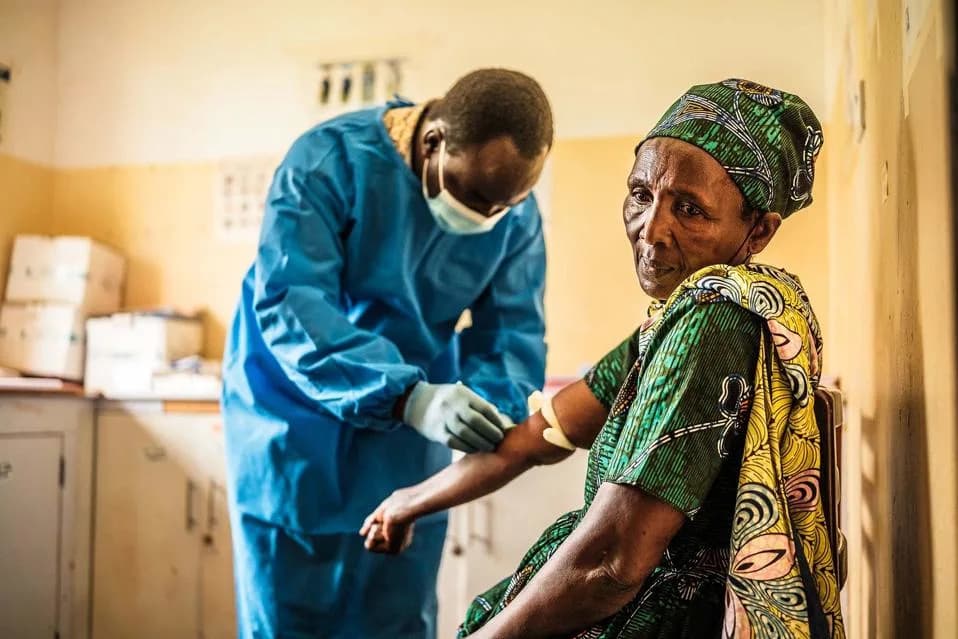
Health authorities in South Africa, Eswatini and Zambia have begun public rollouts of lenacapavir, a long‑acting HIV‑prevention injection given twice a year. The rollout marks the first public use of the drug on the African continent, which continues to carry the world's largest share of people living with HIV.
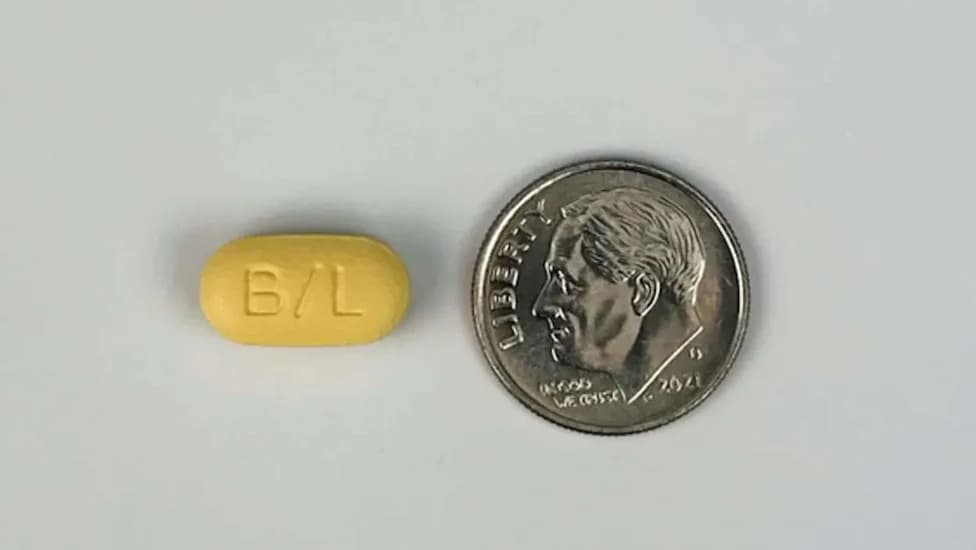
What is lenacapavir? Clinical trials show that lenacapavir can reduce the risk of HIV transmission by more than 99.9% when used as pre‑exposure prophylaxis (PrEP), providing levels of protection experts describe as functionally comparable to a highly effective vaccine. The injection is administered every six months, addressing adherence challenges associated with daily oral PrEP.
Where and how the rollout began — In South Africa, a Wits University research unit managed the initial distribution as part of an Unitaid‑funded project. Neighbouring Zambia and Eswatini received an initial shipment of 1,000 doses through a US programme and planned formal launches at World AIDS Day events. South African authorities say a broader national rollout is expected next year.
Unitaid described the initiative as among the earliest real‑world uses of a six‑monthly injectable PrEP in low‑ and middle‑income countries.
Supply, cost and access — In the United States the drug's market price is roughly $28,000 per person per year. Under a separate initiative, manufacturer Gilead Sciences has agreed to supply lenacapavir at no profit to two million people in high‑burden countries over three years. Critics warn that this commitment falls short of regional need and that commercial prices remain out of reach for most people in low‑ and middle‑income countries.
Generic versions are expected from about 2027 through deals brokered by Unitaid and the Bill & Melinda Gates Foundation with Indian manufacturers, with projected prices near $40 per year for more than 100 countries — a price point advocates say could dramatically expand equitable access.
Regional context and implications — Eastern and southern Africa account for roughly 52% of the 40.8 million people living with HIV worldwide, according to 2024 UNAIDS data. A long‑acting preventive option that requires only two clinic visits per year could substantially improve coverage, reduce new infections, and lessen the burden on health systems if production and distribution are scaled fairly and quickly.
Limitations and next steps — Lenacapavir is a prevention tool, not a cure. Successful impact will depend on supply agreements, affordable pricing, supportive delivery systems, community engagement, and ongoing monitoring for safety and effectiveness in real‑world settings. Policymakers and global health partners will need to move rapidly to translate early rollouts into sustained, equitable access.
Help us improve.