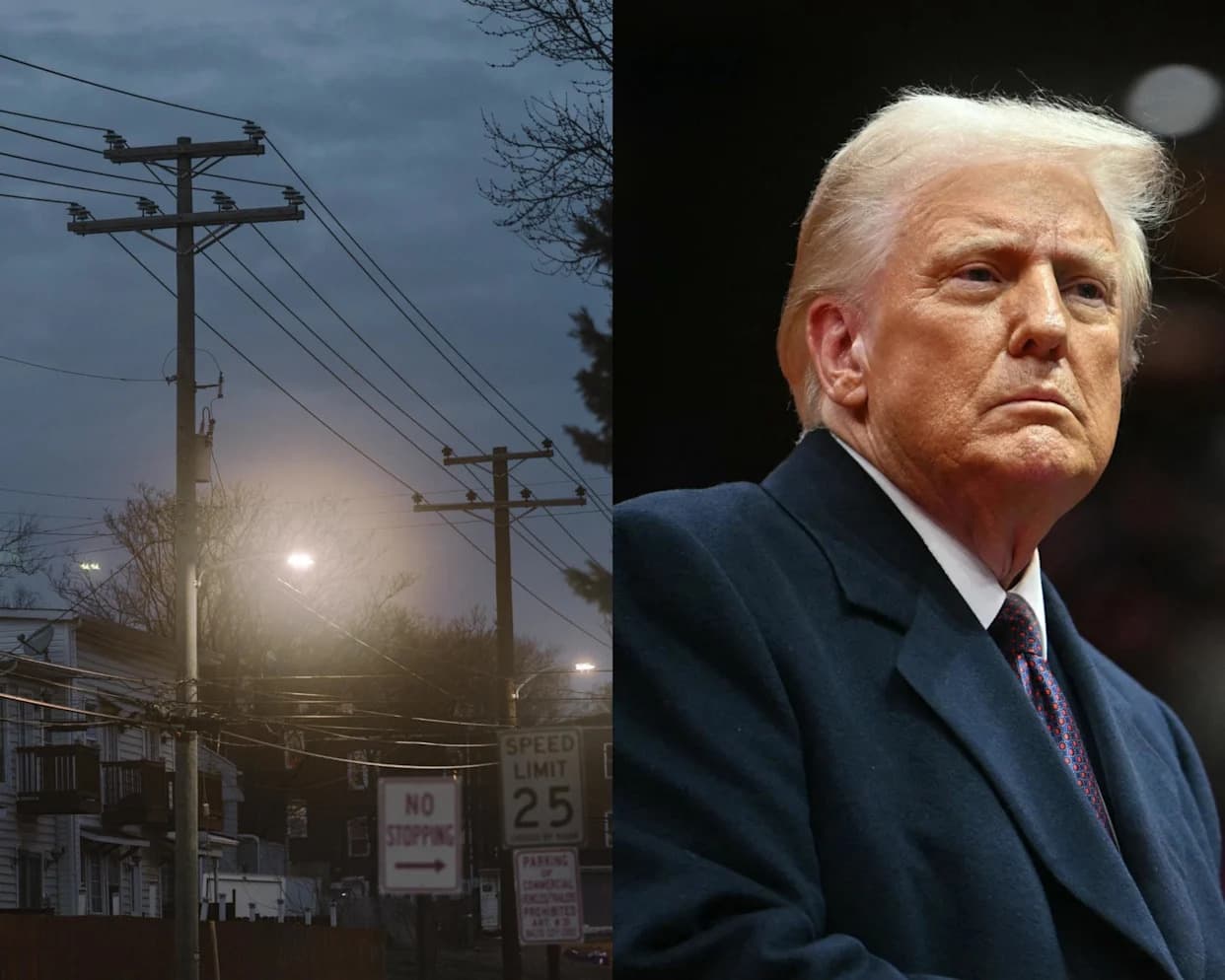
President Trump denied federal disaster aid for two nonprofit electric cooperatives in northern Michigan after a March ice storm, despite FEMA documenting about $90 million in utility damage. The administration excluded utility repairs from the disaster declaration — an uncommon move that leaves co-ops serving roughly 160,000 customers to cover rebuilding costs. Members are already paying surcharges and higher monthly rates; lawmakers and local leaders warn households could face thousands in added costs if federal or state aid does not arrive.
Trump Rejects FEMA Aid for Michigan Electric Co-ops, Leaving Customers Facing Large Rate Hikes

A presidential decision to deny federal disaster assistance to two rural electric cooperatives in northern Michigan could leave local customers on the hook for tens of millions of dollars in repair costs, utility officials and lawmakers warn.
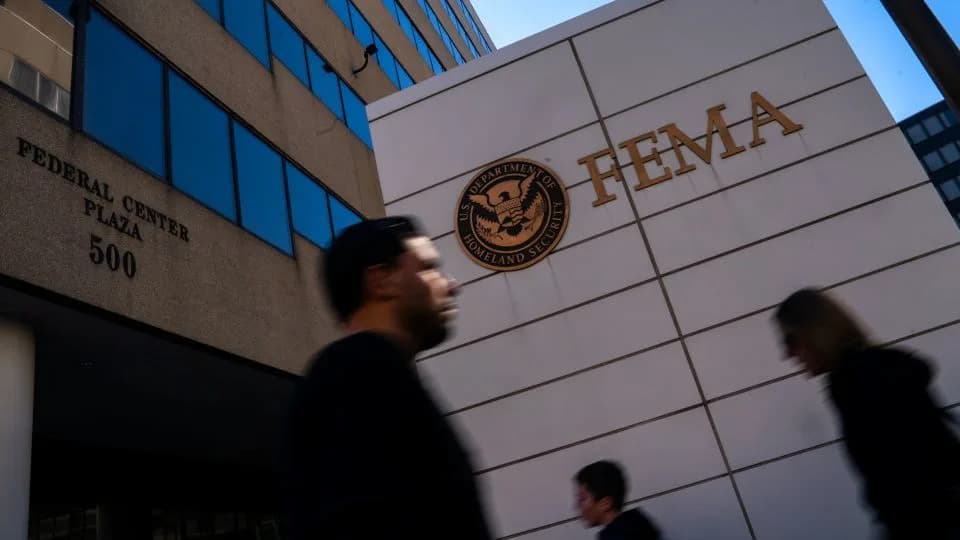
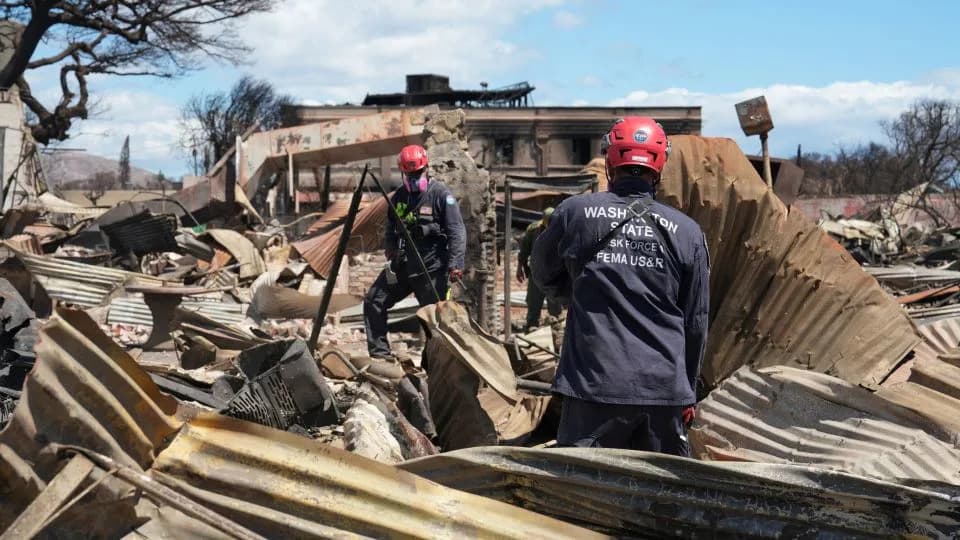
On Oct. 22, the administration refused to authorize federal aid that would have helped Presque Isle Electric & Gas (PIE&G) and Great Lakes Energy rebuild after a three-day ice storm in March. Federal damage assessments put roughly $90 million of the storm's destruction squarely on the utilities' equipment — nearly five times the usual threshold for federal assistance — but FEMA concluded aid to those utilities "is not warranted." The denial is final after an appeal was rejected in October.
PIE&G and Great Lakes Energy are nonprofit, customer-owned cooperatives that together serve about 160,000 homes and businesses across a 20-county region of northern Michigan. Because these co-ops are publicly owned rather than investor-run, they have relied on member fees and borrowing to cover repairs and are ineligible for some programs designed for private utilities.
Immediate financial impact
PIE&G's CEO Allan Berg warned the decision "could be tens of millions of dollars left on the backs of the members." The co-op secured a $150 million line of credit to replace roughly 2,800 poles, 900 transformers and about 3,800 miles of power lines; members began paying a $20 monthly surcharge to service interest on that debt. Great Lakes Energy repaired around 4,300 miles of lines and 3,100 poles and implemented an average monthly rate increase of about $17.
"This could make the co-op actually go broke if something isn't done to make them whole again," said Pete Rose, a retired PIE&G foreman.
Why FEMA denied the utilities
The administration's decision relied on a technical reading of FEMA rules. When a president approves a governor's disaster declaration, that authorization covers five categories of work, including public utilities (Category F). Historically, presidents have approved all five categories together. In this case, the declaration approved four categories but excluded utilities — even though FEMA's damage assessment identified utility infrastructure as the storm's "primary impact" and documented roughly $137 million in certified damage across all categories, of which about $90 million was utilities.
Federal records show FEMA has provided roughly $40 billion to public and nonprofit utilities for repairs since 1998 and typically covers about 75 percent of eligible costs. Privately owned investor utilities are not eligible for that program.
Political and fiscal context
The denial of aid to the Michigan co-ops comes amid broader White House scrutiny of disaster spending. Officials say budget reviewers at the Office of Management and Budget are closely scrutinizing requests; the administration has paused two FEMA grant programs for resilience projects and pushed roughly $15 billion in scheduled disaster payments from fiscal 2025 into fiscal 2026. Since April, at least nine gubernatorial disaster requests that FEMA investigators found met normal damage thresholds have been denied, according to aggregated federal and state records.
Democratic Gov. Gretchen Whitmer appealed the decision, warning in August that without federal assistance ratepayers could face surcharges and hikes "equivalent to at least $4,500 per household." That appeal was denied in October. Members of Congress representing the region, including Rep. Jack Bergman, and state lawmakers have urged the administration to reconsider. A Republican-backed $100 million state recovery package approved by the Michigan House in March has stalled in the Democratic-controlled Senate and remains in committee.
Local reaction and consequences
At community meetings across the affected region, residents expressed confusion, anger and anxiety. Many said they already pay relatively high electricity rates and cannot absorb large increases. "We're not millionaires," one resident said. Local businesses and social-service groups warned that higher power bills would compound economic hardship in a region with higher-than-average poverty rates and many older residents.
Some households have already felt the effects: PIE&G added its monthly surcharge and Great Lakes Energy raised average bills. But local leaders warn these measures may be insufficient if federal or state aid does not arrive, and they worry about long-term financial stability for the co-ops and affordability for customers.
Broader implications
The dispute highlights a national debate over how to share the cost of disaster recovery between federal, state and local governments. For the people of northern Michigan, the outcome will determine whether federal aid eases rebuilding costs or whether families will shoulder a larger share through higher monthly bills and special surcharges.
Officials and community leaders continue to press for relief and clarity on next steps. For now, the denial shifts immediate financial pressure to customers and state budgets and raises questions about how future disasters will be funded if similar denials occur.
Help us improve.