Donald Trump told Politico that electricity prices are "way down," but recent reporting contradicts that claim: The New York Times finds electricity prices nearly 10% higher year-over-year, and the Wall Street Journal reports similar upward pressure. A mix of extreme weather, infrastructure repairs, renewable transitions and growing demand (including data centers) is pushing costs up. Trump’s 2024 campaign pledge to cut consumer energy bills 50%–70% has not materialized, and many Americans continue to see higher electricity charges.
Trump Says Electricity Costs Are Falling — Household Bills Tell a Different Story

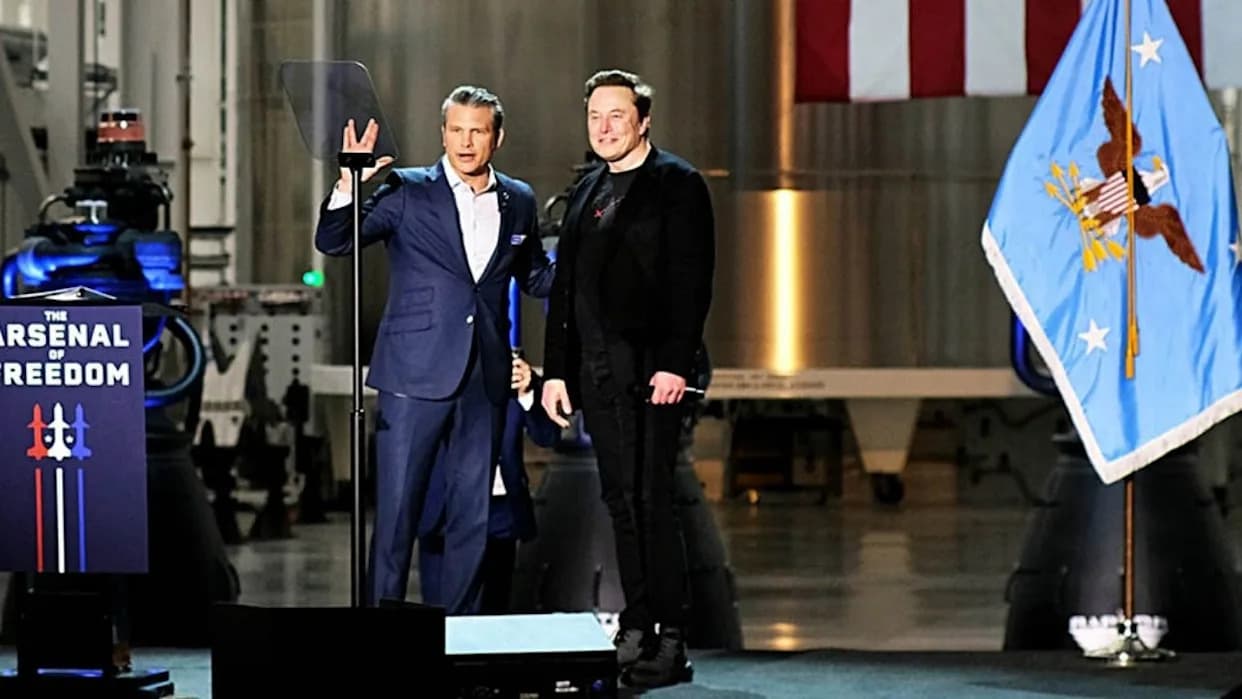
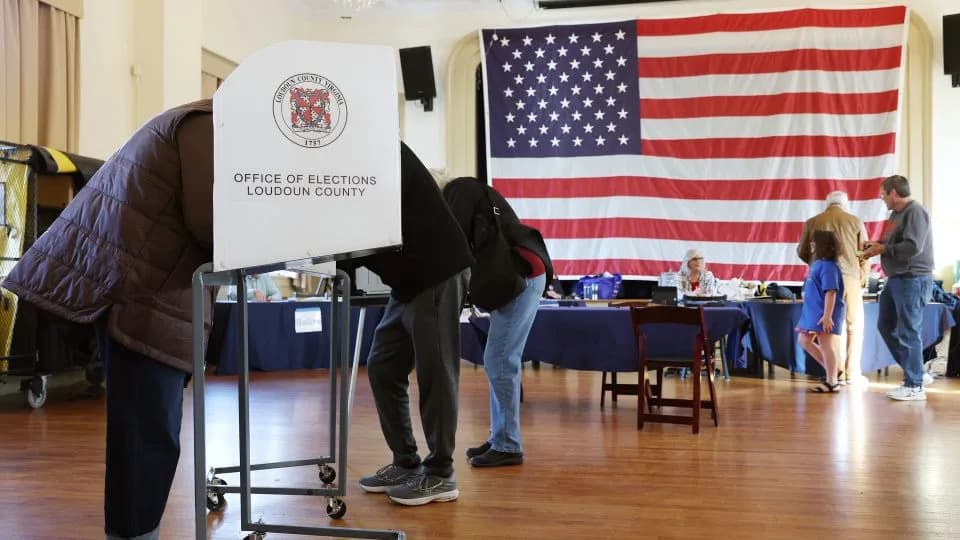
In a recent interview with Politico, former President Donald Trump said he expects the 2026 midterm elections to hinge on “pricing,” and asserted that household power costs are falling. "Electricity is down. It’s way down," he said, adding that when gasoline and oil prices fall, electricity follows.
That claim conflicts with recent reporting. The editorial board of The New York Times noted that, according to the latest data, "Electricity prices are almost 10 percent higher than they were a year earlier." A Wall Street Journal analysis reached similar conclusions about the upward pressure on power costs.
What’s Driving Higher Bills?
Rising household electricity bills result from a mix of forces rather than a single cause. Key contributors include:
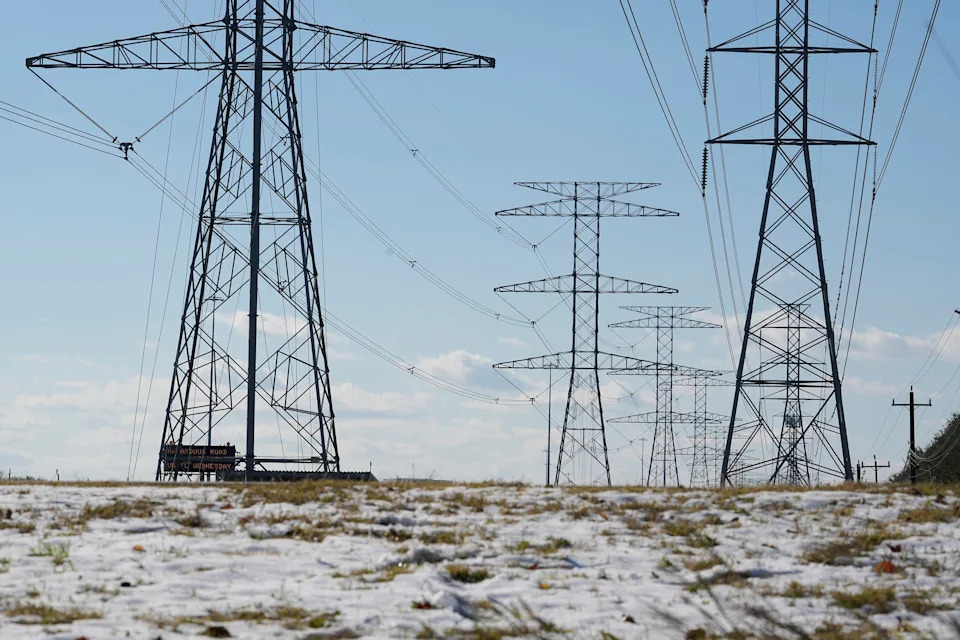
Transmission lines with snow on the ground are shown along the North Sam Houston Parkway near SH249 on Jan. 21, 2025, in Houston.(Melissa Phillip / Melissa Phillip/Houston Chronicle via Getty Images)
- Extreme weather: Hurricanes, wildfires and other climate-driven events damage infrastructure and disrupt supply, raising costs.
- Infrastructure upgrades and repairs: Replacing aging or storm-damaged grid equipment requires investment that can be reflected in rates.
- State energy policies: Renewable energy mandates and transitions can shift costs in the short term as grids modernize.
- Rising demand from large users: Data centers and other heavy electricity consumers increase overall demand, which can influence wholesale prices and local grid strain.
These factors can vary by region, so some households feel sharper increases while others see more muted effects. Local utility bills remain the most direct way for consumers to judge their own experience.
Campaign Promises vs. Reality
On the 2024 campaign trail, Trump pledged steep reductions in consumer energy costs: "We intend to slash prices by half within 12 months, at a maximum 18 months," and at one point suggested energy bills could fall 50%–70%. As the first year of his second term ends, those dramatic cuts have not materialized, and many Americans continue to see year-over-year price increases.
When leaders make broad claims about an issue that affects every household, accuracy matters. Consumers don't need a fact-checker to dispute a claim that prices are falling — they need to look at their electric bill.
While the president could make a public case that global supply shocks, weather events and long-term grid investments limit his immediate control over prices, the current messaging has been one of denial rather than explanation. That choice risks eroding public trust and leaves voters to judge policy by what they pay at the meter.
Help us improve.