Flash droughts — rapid-onset dry spells — are increasing in New England and could quickly threaten food and water supplies. By early November, about 82% of the region was affected, with Vermont and New Hampshire experiencing their worst extreme droughts in 25 years. These events can develop within weeks, stressing crops, pastures and freshwater systems and raising wildfire risk. Experts urge improved monitoring, conservation and planning to reduce impacts.
Rapid 'Flash Droughts' Put New England’s Food and Water Supplies at Risk
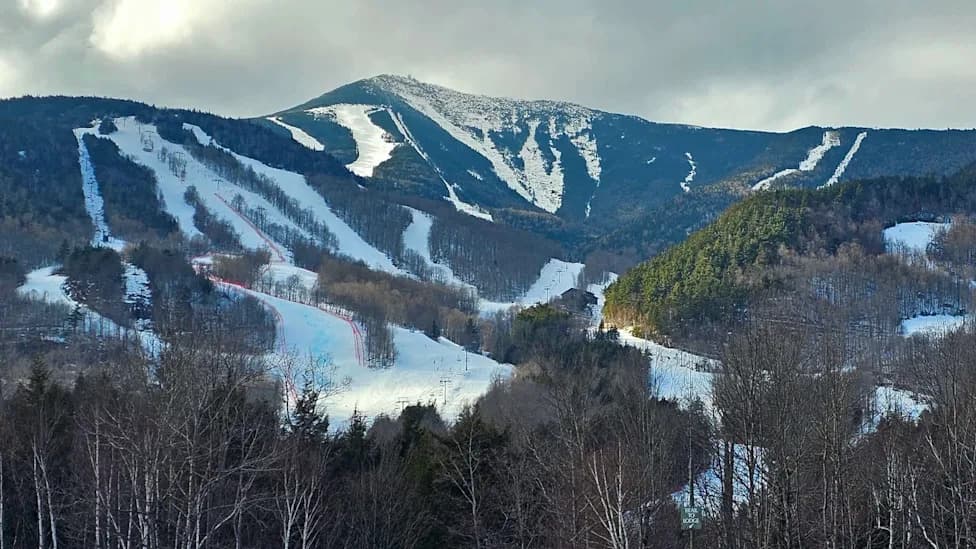
Researchers are raising alarms about a rise in rapid-onset "flash droughts" across New England and the threats they pose to regional food and water security. By early November, roughly 82% of New England was experiencing drought conditions; Vermont and New Hampshire faced their most widespread extreme droughts since the U.S. Drought Monitor began 25 years ago, and Maine was in its largest extreme drought since 2000.
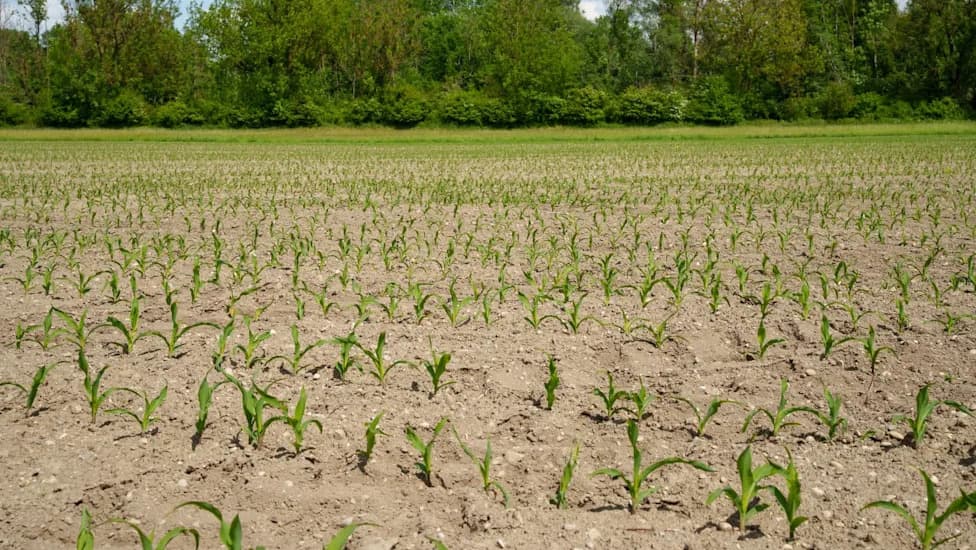
Flash droughts develop much faster than traditional droughts — sometimes within weeks — catching farmers, land managers and communities off guard. Experts warn that the earliest and most severe impacts will be felt in agriculture and natural grasslands as soil moisture drops abruptly and stresses crops and pastures.
“They are hard to prepare for because they can develop into a severe drought within a month,” said Zeyu Xue, a drought expert.
Scientists link the increasing frequency and intensity of extreme weather events, including droughts, to rising global temperatures driven largely by human activities. Drier conditions also increase wildfire risk: in 2024 drought affected 48 states nationally and wildfires burned nearly 9 million acres.
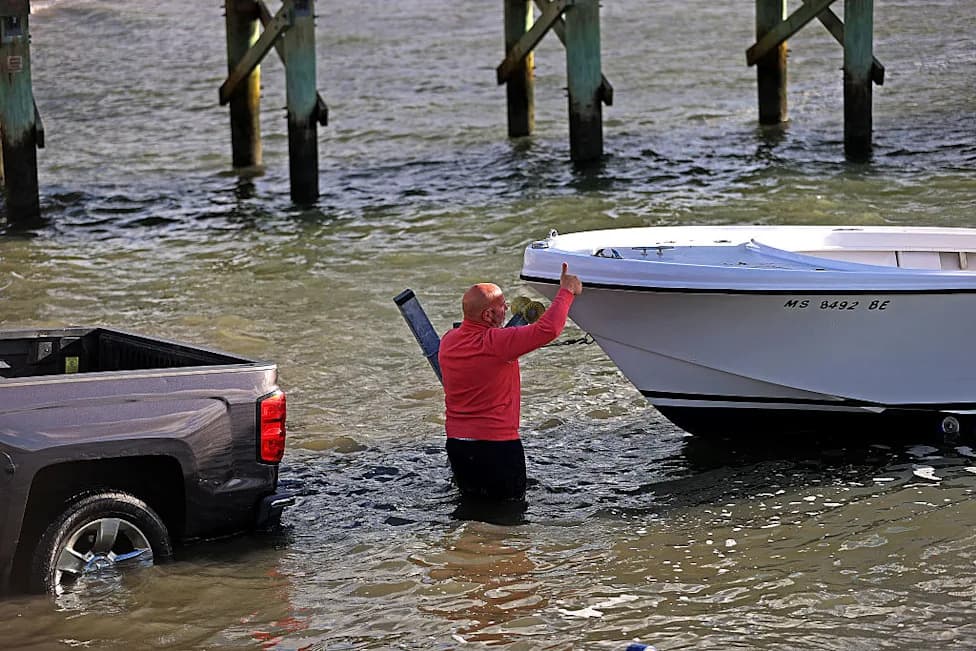
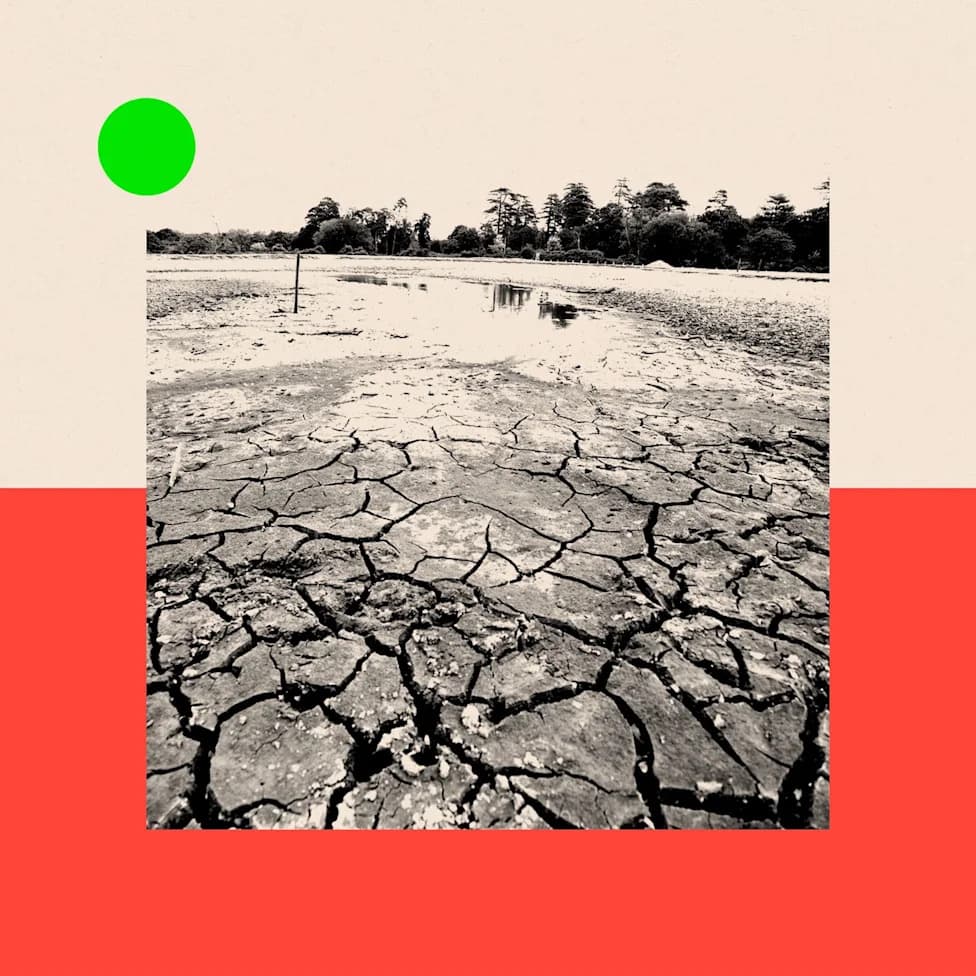
Extended dry spells reduce river flows and lower lake levels, undermining both the quantity and quality of freshwater available for irrigation and drinking water. Drought combined with high temperatures can also promote the spread of pests and diseases that damage crops and livestock, amplifying the economic toll from crop failure and pasture loss.
Preparedness and conservation can help limit impacts. Practical measures include switching to low-water landscaping, adopting drought-tolerant crops and pasture management, improving soil moisture monitoring, and investing in flexible water-allocation planning. At the household level, reducing outdoor watering, fixing leaks, turning off taps while brushing, and shortening showers all conserve precious supply.
While flash droughts are difficult to predict, improved monitoring, targeted water-saving practices, and forward-looking planning are crucial to protecting agriculture, ecosystems, and communities across New England.
Help us improve.