The Cotswolds — an 800-square-mile stretch of English countryside — is experiencing an influx of wealthy American visitors and buyers, from celebrities to tech founders, reshaping local life and the housing market. Data show a record 5.6 million US visits in 2024 and rising US citizenship applications in early 2025. Local disputes over large developments and a rising number of second homes (1,597 by April 2025) have heightened concerns about affordability and hollowed-out communities, even as some welcome new investment and services.
American Wealth Is Turning the Cotswolds into the 'Hamptons of England' — and Locals Are Split

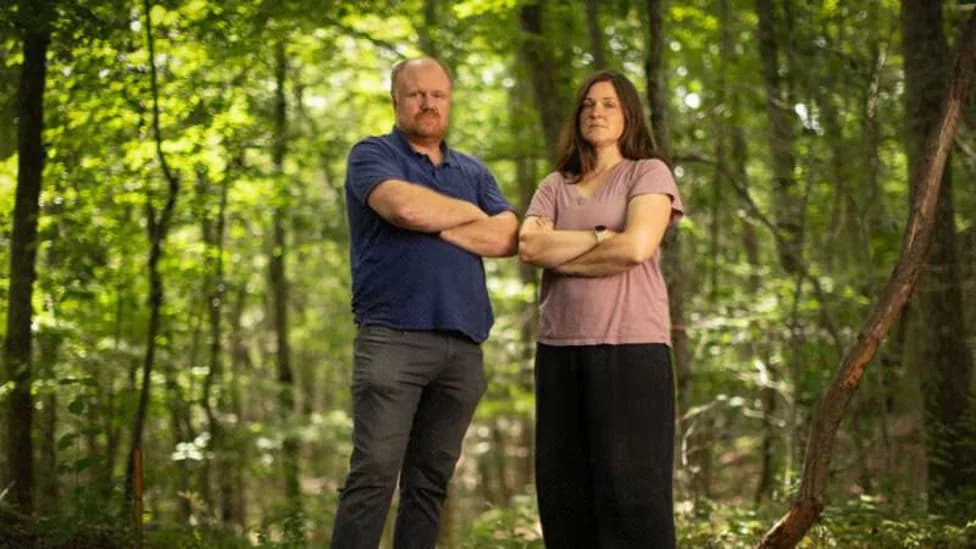
In a small coffee shop beneath low-beamed rafters, Audrey Ann Masur leans in and lowers her voice. The 37-year-old from Indiana, sipping decaf on a crisp autumn morning, says she deliberately speaks quietly since moving to the Cotswolds five years ago when her husband was reposted by the US military. Her accent, she has found, invites questions from older locals — sometimes even probing enquiries about her politics — so she keeps a low profile.
Masur, who shares life in the Cotswolds with more than 13,000 Instagram followers, is neither wealthy nor ostentatious. "I drive a Honda Jazz," she says with a nervous smile. Still, she has noticed the area shifting: new businesses, influencer events and an influx of well-heeled American residents and visitors changing the texture of village life.
Transatlantic arrivals and rising spending
The Cotswolds — an 800-square-mile swathe of English countryside made up of towns and villages — has attracted a notable number of high-profile Americans in recent years. Names reported to have spent time or sought homes here include prominent entertainers and public figures, and some celebrities have chosen to live in or visit the region.
The trend is part of a wider boom in US travel and spending in Britain. In 2024 there were a record 5.6 million visits from the US, with American tourists spending £7.3 billion — about £68 more per trip on average than the previous year, according to VisitBritain. UK government figures also show a jump in US applications for British citizenship: 2,194 Americans applied between April and June 2025, a 50% rise year on year.
Why buyers are looking to the Cotswolds
Real estate professionals say the appeal is partly cultural and partly practical. For some wealthy buyers, the Cotswolds offers historic properties — country estates, manor houses and even small castles — that carry old-money cachet. "New money wants old-money trophy assets," says Armand Arton, founder of Arton Capital, which works with ultra-high-net-worth clients.
Harry Gladwin, a local estate agent and partner at The Buying Solution, says once a critical mass of like-minded buyers settles in an area, it attracts more of the same profile: tech founders, media figures and affluent buyers seeking privacy and heritage homes.
Local pushback: Little Tew and broader concerns
Tension is most visible in villages such as Little Tew, where about 500 residents campaigned against plans for a sprawling private estate on 90 acres proposed by a prominent buyer. At a parish meeting in October, 27 residents voted unanimously against the development, arguing such a house would be out of scale and underused.
Beyond individual projects, council data show second homes are rising across the district. By April 2025 there were 1,597 second homes in the Cotswolds district — up 3.5% from the previous year and roughly 6.5% over four years. Local leaders point to the pressure these properties place on an already tight housing supply.
To slow the trend, the council introduced a 100% Council Tax premium on furnished second homes in April, effectively doubling the tax bill for owners of those properties, with revenues earmarked for affordable housing and local services.
Affordability and the risk of hollowed-out communities
Affordability is a growing concern. Government data show the area is among the least affordable places in England and Wales: the average house in the Cotswolds cost about 13.8 times the typical annual salary of a full-time worker in 2024 — roughly £440,000 versus an average pay of £31,795.
Paul Hodgkinson, a councillor whose ward includes Bourton-on-the-Water, warns that rising second-home ownership can hollow out village life, replacing year-round residents who organize fetes and frequent local pubs with short-stay visitors and luxury breaks. "It's not just about people from abroad buying second homes — it's anyone buying properties they don't occupy full time," he says.
Investment, services and a changing high street
Not everyone sees the changes as negative. Some local leaders and business owners welcome new investment. Alison Tighe, mayor of Stow-on-the-Wold, says increased spending supports jobs and improved services. Jack Forbes, general manager of the Bull hotel in Burford, notes that Americans can account for a large share of his clientele and have introduced practices such as more generous tipping.
Shops and cafés reflect shifting tastes: Daylesford Organic offers high-end supplements and spa services; delis stock American products like Reese's Pieces and "All-American Pancake Mix"; and some eateries now sell more iced coffee. For small business owners such as Jesse D'Ambrosi, a Massachusetts native who runs a luxury deli, the new customers have helped sustain niche retail in town.
Where the balance lies
The story of the Cotswolds is one of competing forces: heritage and exclusivity, economic opportunity and long-term community sustainability. For residents like Masur, the changes are mixed — she appreciates new services but also senses unease among locals about the future of village life. As money from across the Atlantic reshapes these towns and villages, communities must weigh the benefits of investment against the costs to housing affordability and civic life.
"They're serving more iced coffee all of a sudden, which I love — but this has to have something to do with more Americans coming through," Masur says, capturing a small but telling sign of a larger shift.
Help us improve.