Communities across the U.S. are increasingly opposing large data center projects, citing concerns about water use, rising electricity costs, noise and loss of farmland or open space. Data Center Watch reported 20 proposals worth about $98 billion in 11 states were blocked or delayed between April and June. Developers and industry groups are urging earlier, more transparent community engagement and stronger conservation commitments, but several high-profile projects have already been paused or withdrawn.
Big Tech’s Data Center Boom Runs Into Fierce Local Backlash

Mike Petak of Spring City gestures while speaking to East Vincent Township supervisors in opposition to a data center proposal at the former Pennhurst state hospital grounds, Dec. 17, 2025, in Spring City, Pa. (AP Photo/Marc Levy)
Tech giants and real estate developers planning to pour billions into ever-larger data centers to power artificial intelligence (AI) and cloud services are increasingly meeting organized, local resistance across the United States.
Communities Rally Against New Projects
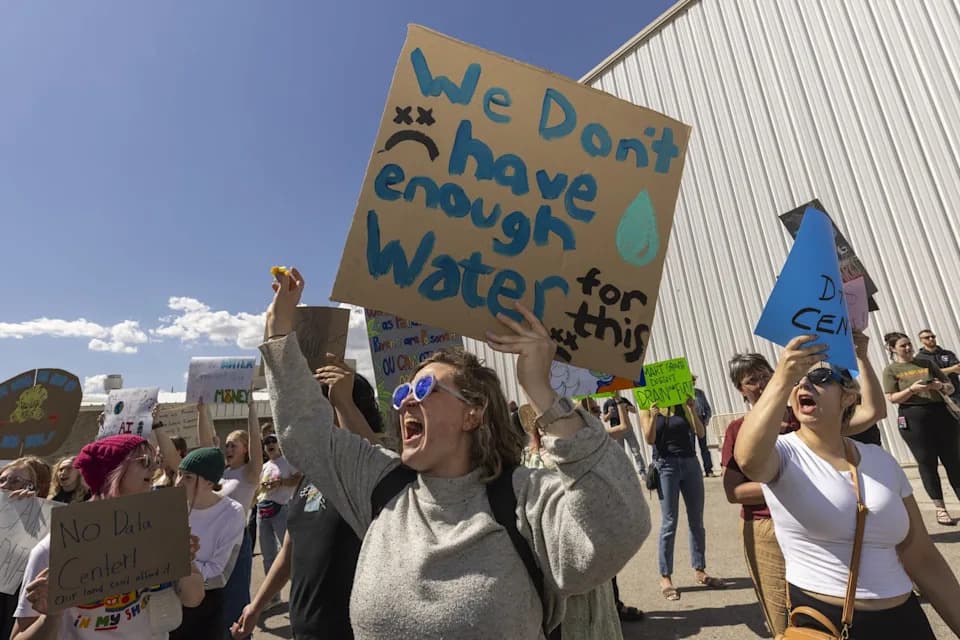
As companies hunt for sites with reliable power and fast network connections, municipal officials are struggling to fit energy- and water-intensive data centers into existing zoning rules. Some jurisdictions have considered waivers or written new ordinances; others lack zoning entirely. Once-quiet town meetings in farming communities and growing suburbs now draw packed rooms of residents urging officials to reject proposed developments.
“Would you want this built in your backyard? Because that’s where it’s literally going, is in my backyard.” — Larry Shank, East Vincent Township, Pa.
Scale And Scope Of Opposition
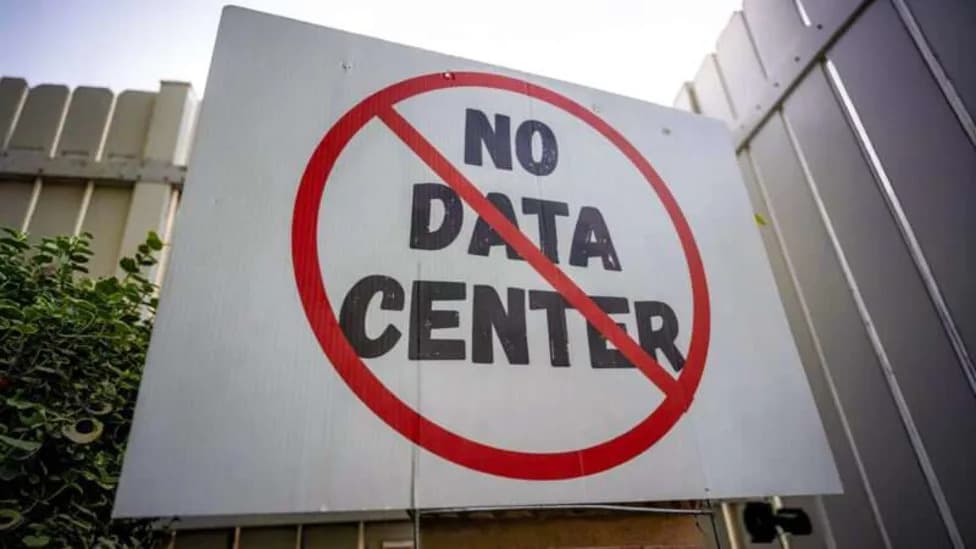
Industry and watchdog groups report a sharp rise in local pushback. Data Center Watch, a project of AI security firm 10a Labs, counted 20 proposals valued at about $98 billion in 11 states that were blocked or delayed between April and June — roughly two-thirds of the projects it was tracking in that period. Andy Cvengros of commercial real estate firm JLL said he’s seen seven or eight recent deals where opponents canvassed neighborhoods, distributed shirts and placed yard signs.
Environmental and consumer advocates say calls from concerned residents have surged as communities learn to organize online, door-knock and bring testimony to public hearings. “This by far is the biggest kind of local pushback I’ve ever seen here in Indiana,” said Bryce Gustafson of the Citizens Action Coalition, noting more than a dozen projects in the state lost rezoning petitions.
Main Local Concerns
Residents and civic groups point to multiple worries: rising electricity bills, heavy water use that could strain wells and aquifers, loss of open space and farmland, noise and diesel-generator emissions, potential impacts on property values and general quality of life. Lawsuits have followed in some places on both sides — residents suing governments over disclosure and procedure, and developers contesting rezoning denials.
Industry Response And Political Impact
Major cloud companies — including Microsoft, Google, Amazon and Meta — did not provide comment for this report. Microsoft has acknowledged in a securities filing that “community opposition, local moratoriums, and hyper-local dissent” can impede infrastructure development.
Developers and utilities say the local resistance is changing business decisions: some owners consider selling sites after securing power hookups because zoning approval has become uncertain. “You might as well take chips off the table,” said Maxx Kossof of The Missner Group, noting that a site with power may still fail if community support is absent.
Industry groups and developers say they are rethinking outreach: engaging residents earlier, highlighting economic benefits, supporting local initiatives and emphasizing water- and energy-conservation measures to reduce impacts and build trust. “It’s definitely a discussion that the industry is having internally about, ‘Hey, how do we do a better job of community engagement?’” said Dan Diorio of the Data Center Coalition.
Local Cases Illustrate The Tension
In Matthews, North Carolina, developers withdrew a proposed data center after overwhelming public opposition, despite promises the project would have funded roughly half the city’s budget and included environmentally friendly features. Mayor John Higdon said the public response was effectively unanimous against the proposal.
In Hermantown, Minnesota, a planned campus described as several times larger than the Mall of America is on hold amid legal and environmental-review challenges. Opponents say secrecy and late disclosure by officials intensified mistrust after public records showed state, county, city and utility officials had discussed the project months before it was publicly revealed.
“It’s the secrecy. The secrecy just drives people crazy.” — Jonathan Thornton, realtor and area resident
Local farmers and other residents have mobilized — ordering yard signs, organizing online, staging protests and filing formal challenges. Developers say they are considering design changes after public feedback, but many fights remain unresolved.
What’s next: Expect continued friction as data center demand grows with AI and cloud workloads. Developers who engage communities early and transparently — and who demonstrate concrete steps to minimize environmental and infrastructure impacts — may face fewer delays, but the trend of empowered local opposition appears likely to persist.
Follow Marc Levy on X at https://x.com/timelywriter.
Help us improve.