Researchers at the University of Arkansas at Little Rock analyzed nearly 20,000 iNaturalist photos and found urban raccoons in the U.S. have, on average, 3.56% shorter snouts than rural raccoons. The study links this shift to selection for bolder, less aggressive individuals that exploit human food waste, a pattern consistent with early domestication traits and the Neural Crest Domestication Syndrome hypothesis. Experts find the results intriguing but stress more research is needed to confirm a true path to domestication.
City Life Is Changing Raccoons — Could It Be the Start of Domestication?

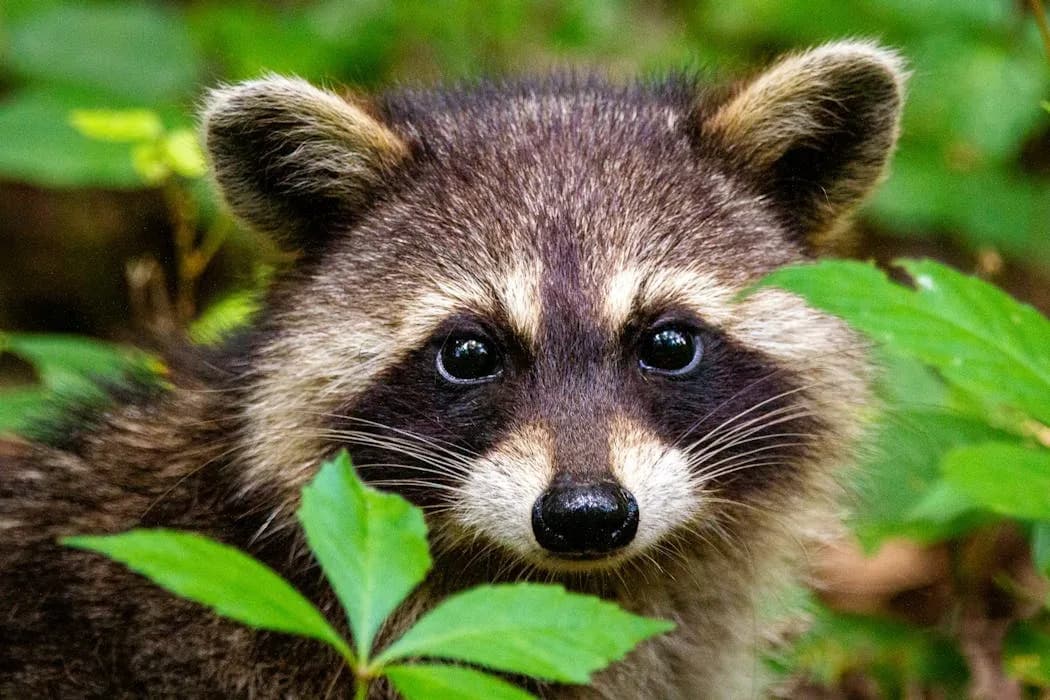
Raccoons living in American cities are beginning to show physical and behavioral shifts that resemble early stages of domestication, according to a new study from the University of Arkansas at Little Rock published in Frontiers in Zoology. Researchers used nearly 20,000 community-submitted photos to compare urban and rural animals and found measurable differences in skull and snout morphology.
What the researchers found
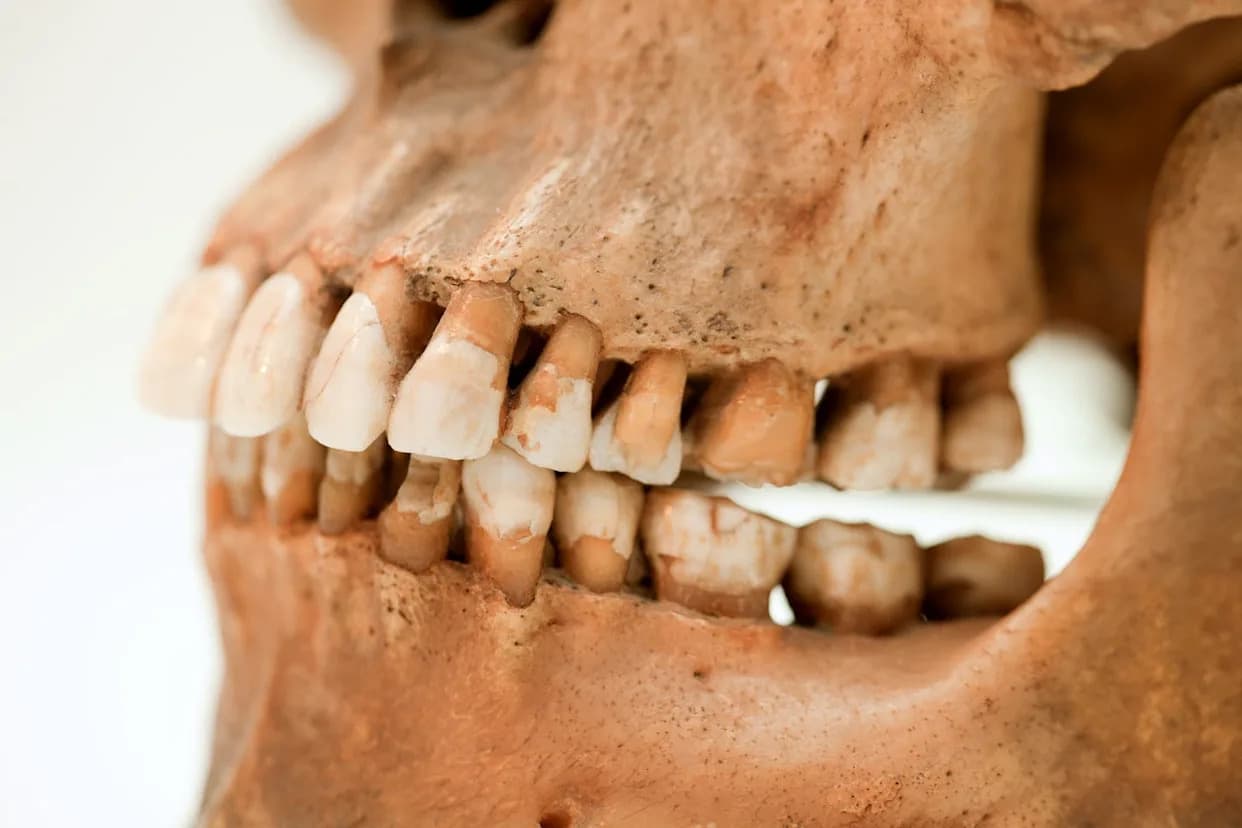
The team analyzed about 20,000 raccoon photographs from the iNaturalist platform and found that urban raccoons have, on average, a 3.56% shorter snout than rural raccoons. The study frames this change as part of a broader suite of traits commonly seen in domesticated species — shorter muzzles, smaller teeth, altered ear and tail structure, and behavioral shifts toward tameness.
“I wanted to know if living in a city environment would kickstart domestication processes in animals that are currently not domesticated,” said Dr. Raffaela Lesch, assistant professor of biology and the study’s lead author. “Would raccoons be on the pathway to domestication just by hanging out in close proximity to humans?”
Why cities may favor these changes
The authors argue that urban environments create a distinct ecological niche: abundant, predictable food in the form of human refuse and reduced risk from large predators. This combination selects for individuals that are bold enough to exploit trash but nonaggressive enough to persist in human-dominated areas. Over generations, such selection pressures can favor calmer, less fearful animals.
The paper links these behavioral shifts to subtle developmental changes in neural crest cells — embryonic cells that contribute to the skull, facial bones and other structures. Small changes in neural crest development are hypothesized to produce the cluster of traits known as the Neural Crest Domestication Syndrome.
Context and parallels
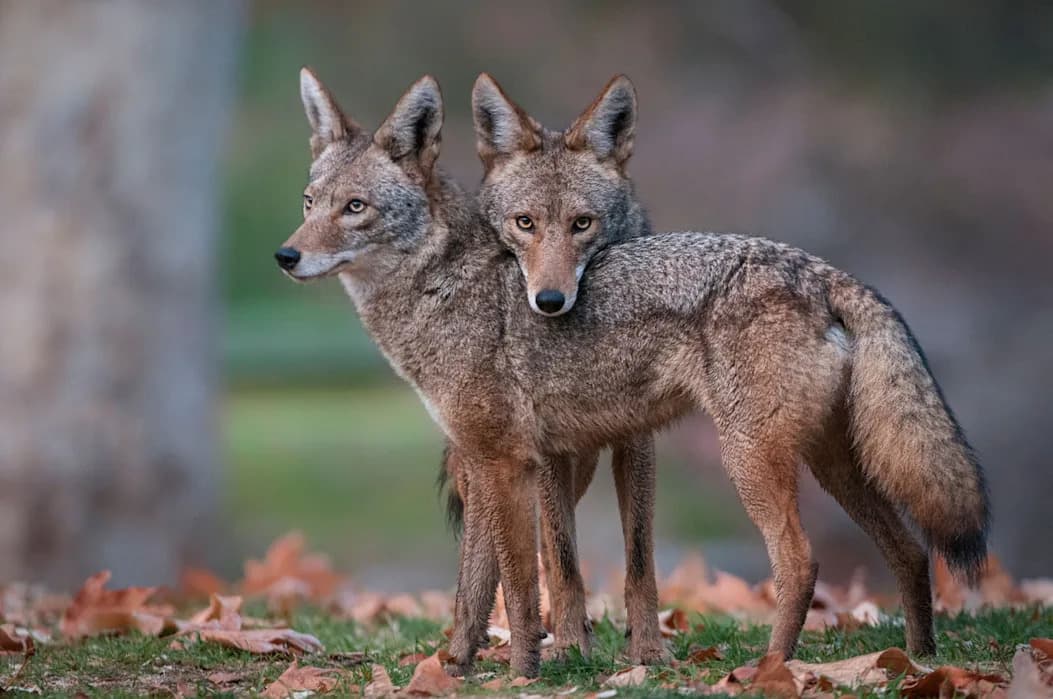
Similar patterns have been reported elsewhere: studies of red foxes in the United Kingdom found London foxes tend to have shorter, wider muzzles than their rural counterparts, a change that may help animals access stationary patches of discarded human food.
Expert reaction
Stanley D. Gehrt, professor of wildlife ecology at Ohio State University, described the raccoon findings as “very interesting,” noting they align with evidence that urbanization influences animal behavior, body form and population dynamics. He cautioned, however, that more studies are needed to determine whether these changes are truly a pathway to domestication.
Arina Hinzen, founder and executive director of the Urban Wildlife Alliance, praised the study as a clever use of citizen science. While her organization has not systematically recorded physical changes, she said New York City raccoons often appear highly habituated to humans: they routinely feed on trash, navigate buildings and streets, and display calmer responses to people and dogs than truly wild raccoons.
Implications
The research suggests urban living can drive measurable morphological and behavioral change in a relatively short time frame. Whether these shifts represent the beginning of domestication or a distinct form of urban adaptation remains an open question. The authors and outside experts agree that additional studies — including genetic, developmental and long-term ecological work — are needed to confirm the trajectory and mechanisms behind these changes.
Help us improve.