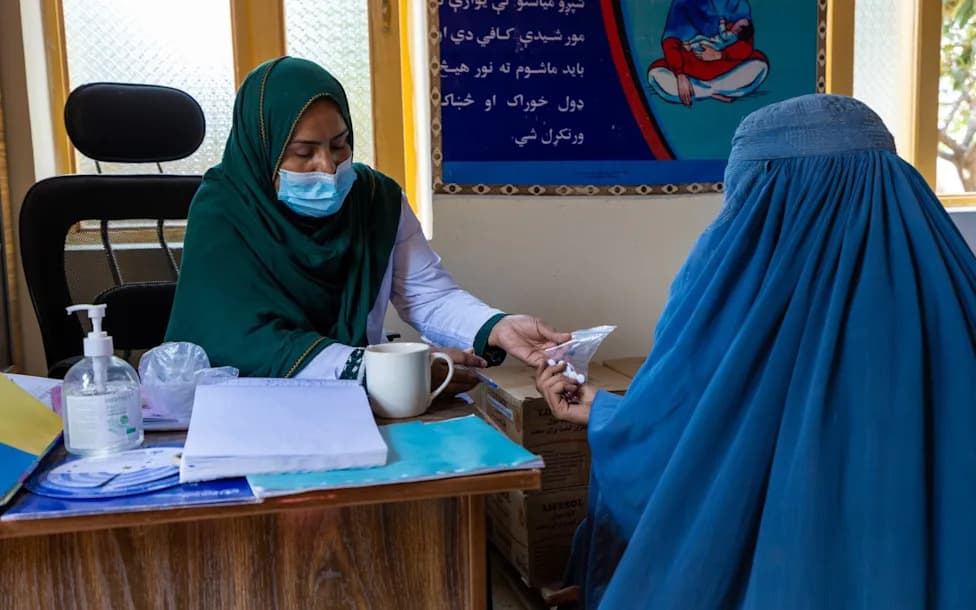
Somalia’s health system is under severe strain as cuts to overseas funding and a government focus on combating al-Shabab leave many local hospitals without stable support. Deputy Health Minister Mohamed Hassan Bulaale says recent U.S. funding reductions cost over 6,000 health workers their jobs and affected up to 2,000 facilities. Key referral hospitals in Mogadishu, including Banadir and De Martino, currently depend on donor funding and face service risks when humanitarian contracts end in late 2025. Civic leaders warn the country lacks a coherent national health-care plan as security priorities dominate.
Somalia’s Hospitals Strained as Aid Cuts and Security Focus Deepen Health Crisis

Yusuf Bulle, a farmer from a remote area of southern Somalia, traveled to Mogadishu when his 3-year-old son became severely malnourished. After 15 days at Banadir Hospital the child was declared out of danger, but the trip underscored how few functioning medical options exist outside the capital.
Funding losses and frontline care
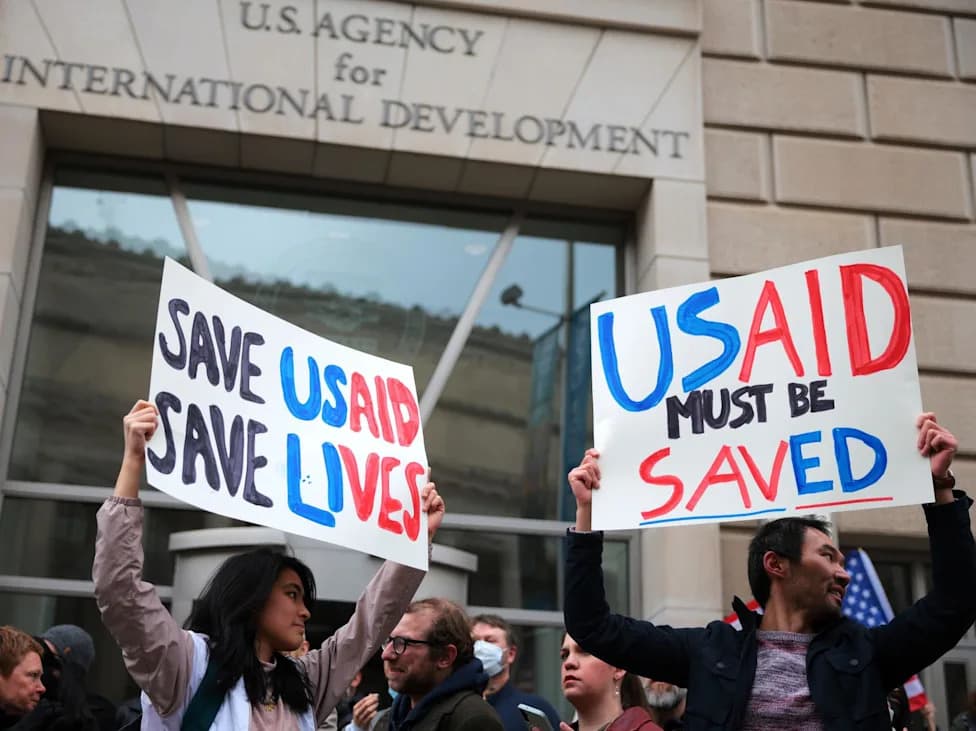
Somalia’s fragile health system has been hit hard by reductions in overseas assistance. Deputy Health Minister Mohamed Hassan Bulaale said cuts to U.S. funding through the U.S. Agency for International Development (USAID) this year contributed to the loss of more than 6,000 health workers’ jobs and affected up to 2,000 health facilities. Analysts warn that the country is unusually vulnerable as donors pull back.
Hospitals teetering on donor support
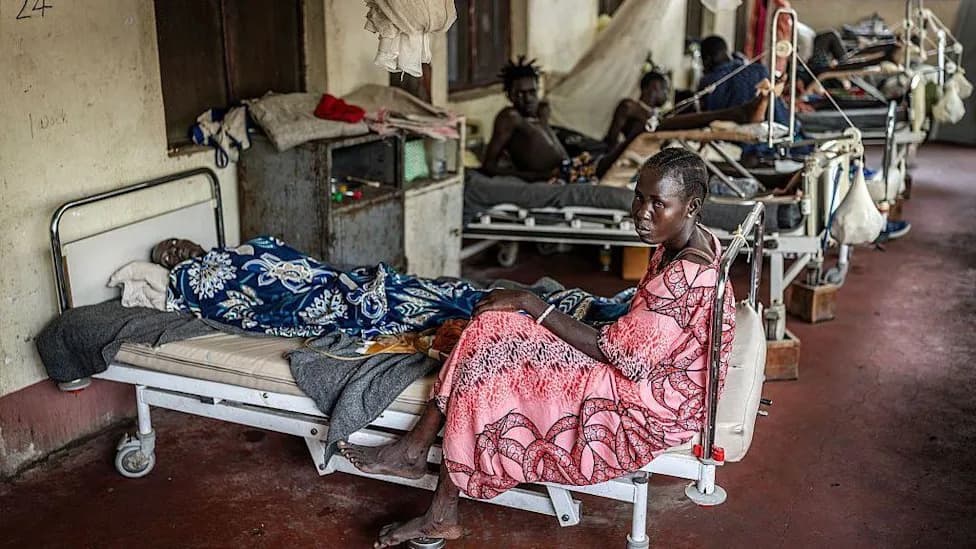
Banadir Hospital, Mogadishu’s main public referral center built with Chinese support in 1977, and De Martino Hospital, established in 1922, remain among the few public hospitals still serving large numbers of patients. Staff at both facilities say that much of their day-to-day work depends on U.N. agencies and international humanitarian organizations.
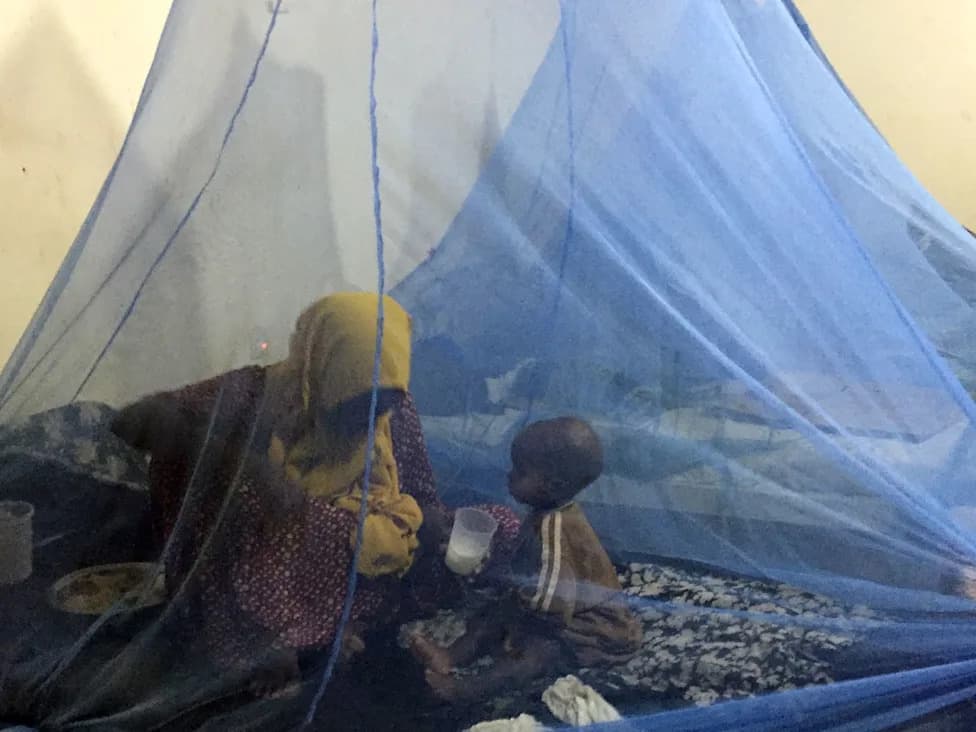
At Banadir, the ward for severely malnourished children operates entirely with donor funding channeled through the humanitarian group Concern Worldwide. Dr. Mohamed Haashi, supervisor of the unit, said 37 staff lost their jobs after the funding cuts, and Concern currently supports 13 remaining employees and supplies for mothers and infants.
De Martino’s director, Dr. Abdirahim Omar Amin, warned that services could be jeopardized when contracts with two humanitarian partners expire at the end of 2025. The hospital is treating dozens of children with diphtheria — a vaccine-preventable disease that has re-emerged in rural areas where parents are avoiding routine immunizations because of security fears. Many of the hospital’s laboratory and clinical resources were acquired through donor support.
Security first — health service second?
Officials say militant attacks, including strikes on medical centers, have eased recently, and some attribute the change to the government’s intensified campaign against the al-Qaida-linked group al-Shabab. But civic leaders and health administrators caution that the government's heightened security focus has drawn resources and attention away from public services and health systems strengthening.
Mahad Wasuge of the Somali Public Agenda think tank noted that while the Ministry of Health’s allocation rose to $91 million this year from $52 million last year, most of that increase is donor-driven and therefore precarious. “Even the limited number of public hospitals that started functioning properly lately are heavily dependent on donor money,” he said.
Government response and outlook
Deputy Health Minister Bulaale said the government is working with partners to develop a contingency plan to respond to the loss of USAID funding but provided few details. Lawmaker Mohamed Adam Dini, representing Puntland, criticized federal priorities and warned there is no coherent national health care plan.
Frontline staff and patients worry about what will happen if international contracts end and donor fatigue grows. Amina Abdulkadir Mohamed, who recently delivered at De Martino because she expected free care, said that many people rely on these hospitals precisely because they cannot afford other options.
Historical context
De Martino’s history mirrors Somalia’s recent troubles: after the 1991 fall of dictator Siad Barre, the hospital sheltered displaced people while many public institutions were damaged or destroyed during years of conflict. Today, Somalia’s federal government operates from a fortified zone near Mogadishu’s airport and continues to seek stability with the support of African Union peacekeepers and international partners, while the health sector struggles to transition from emergency aid to sustainable public funding.
Key facts: Officials report more than 6,000 health workers lost jobs and up to 2,000 facilities affected by recent U.S. funding cuts; major Mogadishu hospitals rely heavily on donor support; critical humanitarian contracts are due to expire in late 2025.
Help us improve.