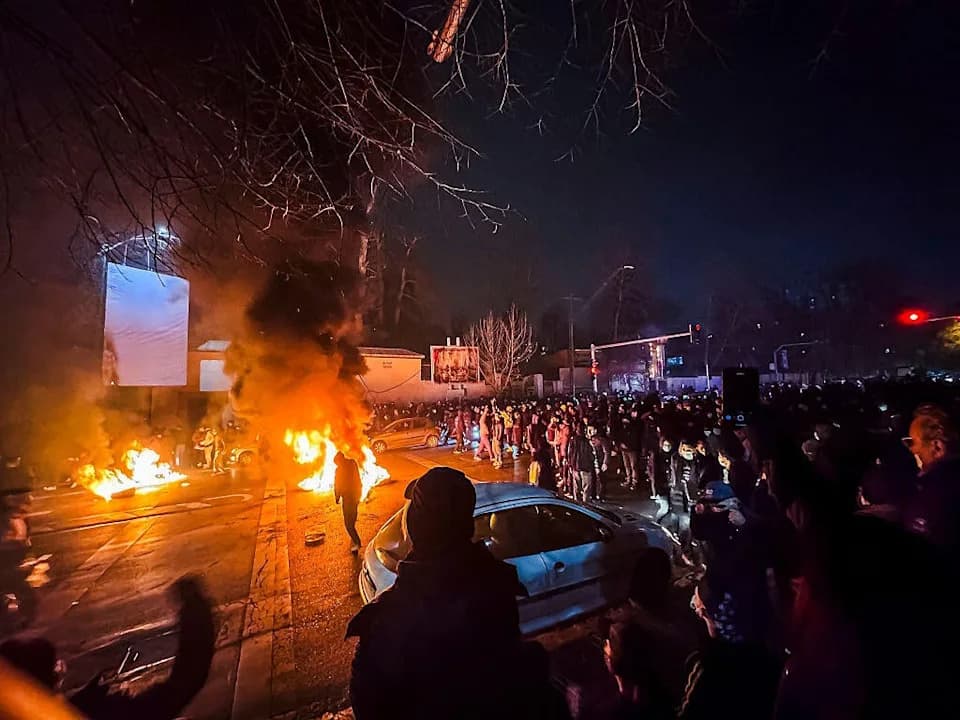
Mogadishu has tightened its security with checkpoints, armed patrols and improved intelligence, creating a so-called "ring of steel" that has reduced large-scale al-Shabab attacks in the capital. Col. Abdikani Ali Mohamed is a prominent local security commander, while national efforts led by NISA and backed by African Union forces and foreign advisers target the group's finances and networks. Al-Shabab has retreated to rural southern and central areas, turning the conflict into a protracted war of attrition with mixed results in towns such as Bariire. Civilians have returned to some retaken towns, but infrastructure damage and the risk of renewed attacks remain major challenges.
Mogadishu's 'Ring of Steel': Checkpoints, Intelligence and a New Push Against al-Shabab
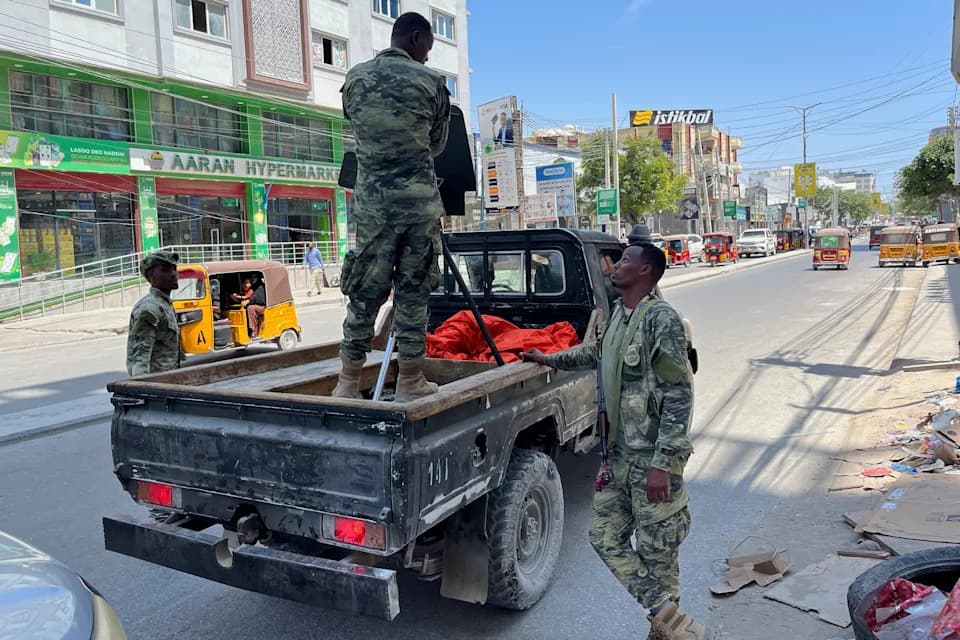
A Somali National Army (SNA) soldier stands in the back of a pickup truck as others stand nearby on a street in Mogadishu, Somalia, Monday, Nov. 10, 2025. (AP Photo/Rodney Muhumuza)(ASSOCIATED PRESS)
Mogadishu's frontline defenses against militant attacks now range from armed pickup patrols to plainclothes personnel staffing checkpoints across the capital. Local commanders and improved intelligence have helped reduce the frequency of large-scale strikes inside the city.
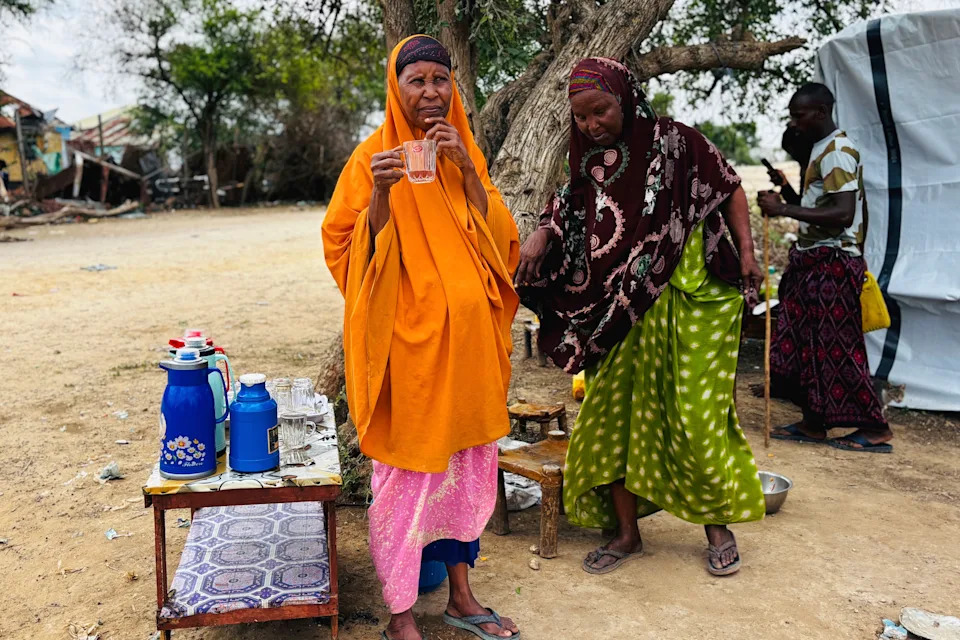
Daynab Mukhtar Aden, left, stands by her table-top tea shop in Bariire, Somalia, Tuesday, Nov. 11, 2025. (AP Photo/Jackson Njehia)(ASSOCIATED PRESS)
Local Leaders And Tightened Security
Col. Abdikani Ali Mohamed, a young-faced commander whose influence has risen with recent operations, oversees many of the checkpoints and security zones around the city. His units are so vigilant that an armored vehicle not seen at a checkpoint for days can trigger immediate suspicion and scrutiny.
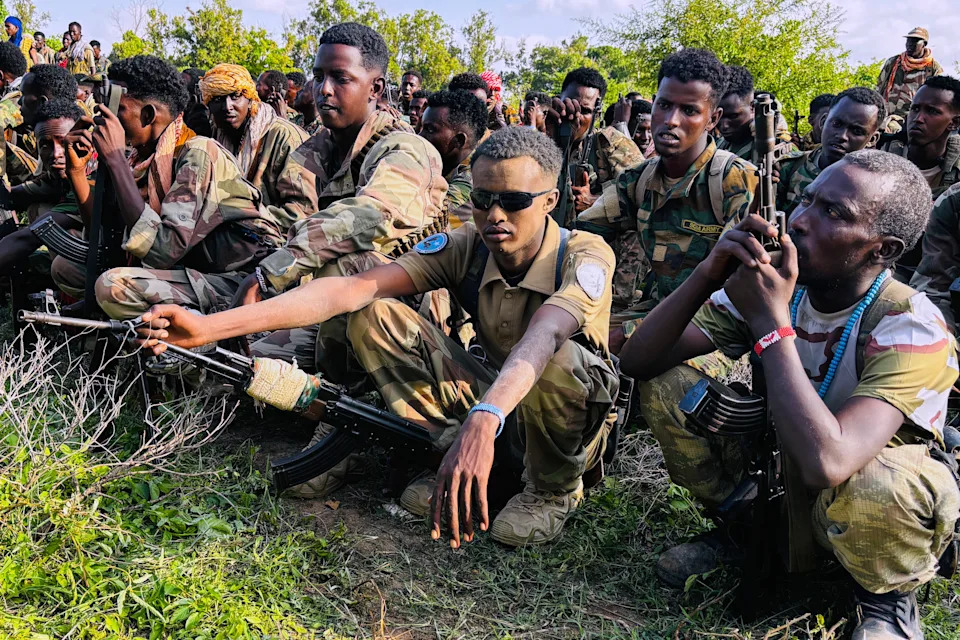
Somali National Army (SNA) soldiers on the frontline in Awdheegle, Somalia, Tuesday, Nov. 11, 2025. (AP Photo/Jackson Njehia)(ASSOCIATED PRESS)
“What we have clearly understood is these people (al-Shabab) are always evolving,” Col. Mohamed said. “The strategy is always evolving in terms of attack mechanisms and the complexity they are utilizing.”
National Strategy And International Support
Since his 2022 election, President Hassan Sheikh Mohamud has declared a "total war" on al-Shabab, pledging to fight on the front lines while disrupting the group's finances and local support networks. Officials say the campaign must be intelligence-led, making the National Intelligence and Security Agency (NISA) central to the security architecture. The effort also involves African Union peacekeepers and military advisers from partners such as Egypt and Turkey, with occasional U.S. airstrikes targeting militant positions.

Somali National Army (SNA) soldiers on the frontline in Sabiid Canole, Somalia, Tuesday, Nov. 11, 2025. (AP Photo/Jackson Njehia)(ASSOCIATED PRESS)
Results And Ongoing Challenges
Security officials point to a decrease in major attacks inside Mogadishu as evidence of progress. The last major strike claimed by al-Shabab in the city — an attack at Lido beach — occurred in August 2024. Plots including the failed March assassination attempt on the president and a prison attack in October show the group still attempts high-profile violence.
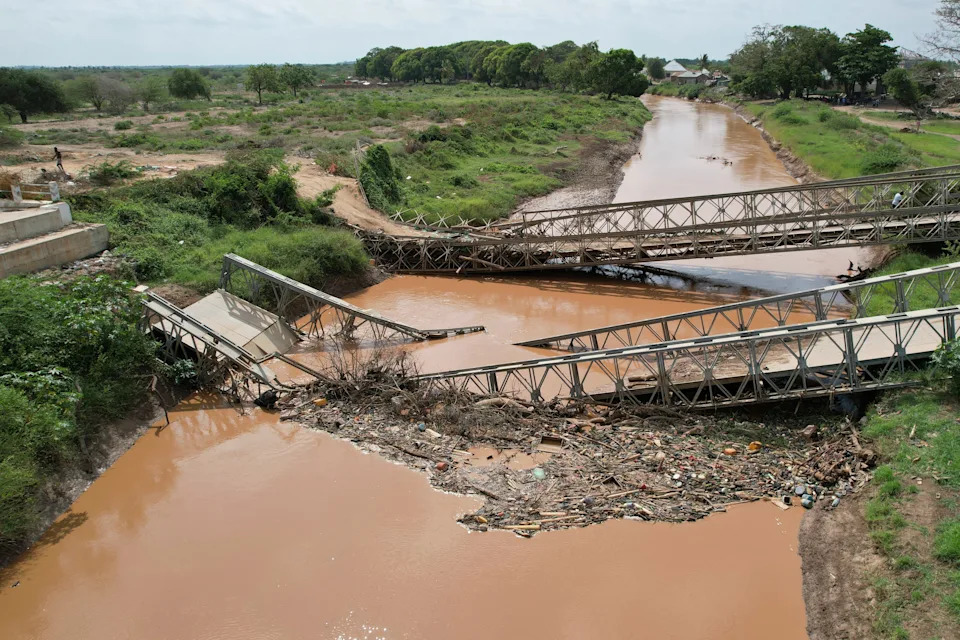
Bridges destroyed by Al Shabaab fighters in Bariire, Somalia, Tuesday, Nov. 11, 2025. (AP Photo/Jackson Njehia)(ASSOCIATED PRESS)
Analysts describe the current posture as a "ring of steel" around Mogadishu: tighter checkpoints, more cameras, high-tech surveillance and improved intelligence sharing that have disrupted cells attempting to mount large urban attacks. However, many observers warn these are tactical gains and that the insurgents remain adaptive.
The Fight Beyond The Capital
Under military pressure, al-Shabab has pulled back to rural areas of southern and central Somalia where guerrilla tactics are more effective. In Lower Shabelle — Somalia's agricultural heartland — towns such as Bariire, Sabid-Anole and Awdheegle have changed hands multiple times this year, illustrating a grinding war of attrition outside the capital.
Residents displaced by fighting sometimes return after government forces retake towns, though damage to infrastructure and ongoing insecurity remain serious concerns. Daynab Mukhtar Aden, a 65-year-old mother of six, said she walked roughly 40 kilometers from Bariire after militants overran the town; she returned only after government troops reclaimed it and promised assistance.
Outlook
Somali military officers point to recent local victories but caution that the campaign will be prolonged. Restoring secure supply lines, rebuilding damaged bridges and delivering sustained governance and services in retaken areas will be essential to preventing al-Shabab from reasserting influence.
Across Mogadishu, new cafes, construction and neon lights at night signal a desire for normalcy. Many residents welcome the heavier security presence but acknowledge that long-term stability depends on maintaining pressure on militant networks while rebuilding communities outside the capital.
Help us improve.