The reporter’s short visit to Tehran found a clear rise in women openly removing the mandatory hijab, especially in northern neighborhoods such as Vali-e Asr and Tajrish. The shift has been accelerated by the 2022 death of Mahsa Amini and large-scale protests, and authorities appear cautious about a broad crackdown amid economic strain, power cuts and fears of renewed conflict. Unpublished polling and low voter turnout point to widespread dissatisfaction, while many Iranians still live with anxiety about repression or war.
Tehran’s Quiet Shift: More Women Openly Forgo the Hijab Amid Economic and Political Strain

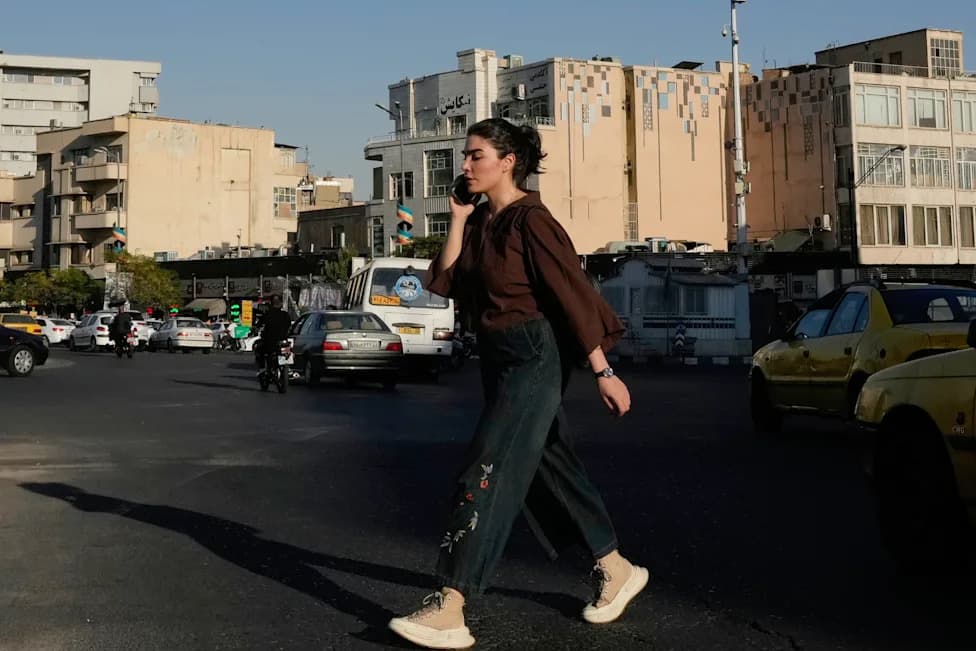
Entering Tehran, the city at first offers only brief glimpses: a passenger flashing by in a car, a pedestrian threading through heavy traffic. But climb to the cooler, sycamore-lined heights along Vali-e Asr Street in the north and those glimpses become common — women with brown, black, blonde and gray hair visible beneath loose scarves or without head coverings at all.
A visible change on the streets
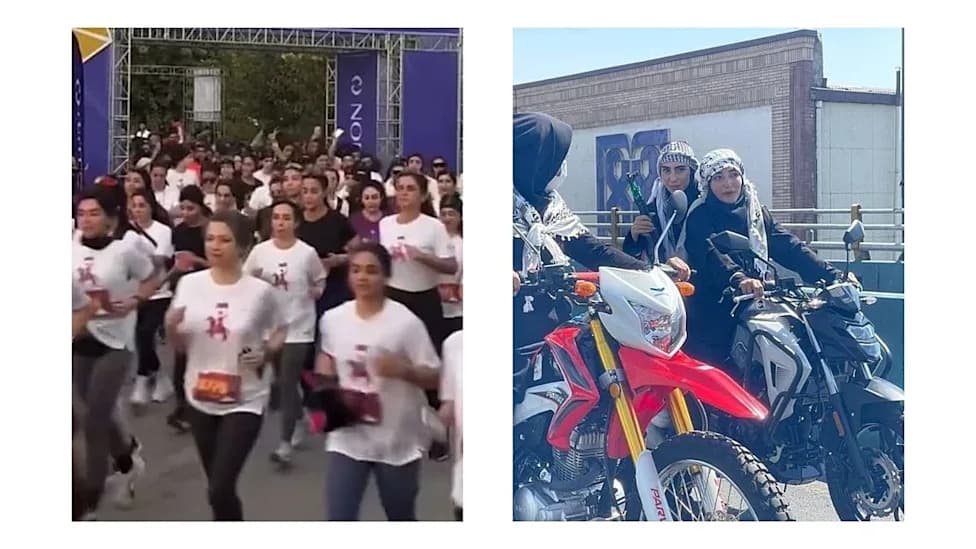
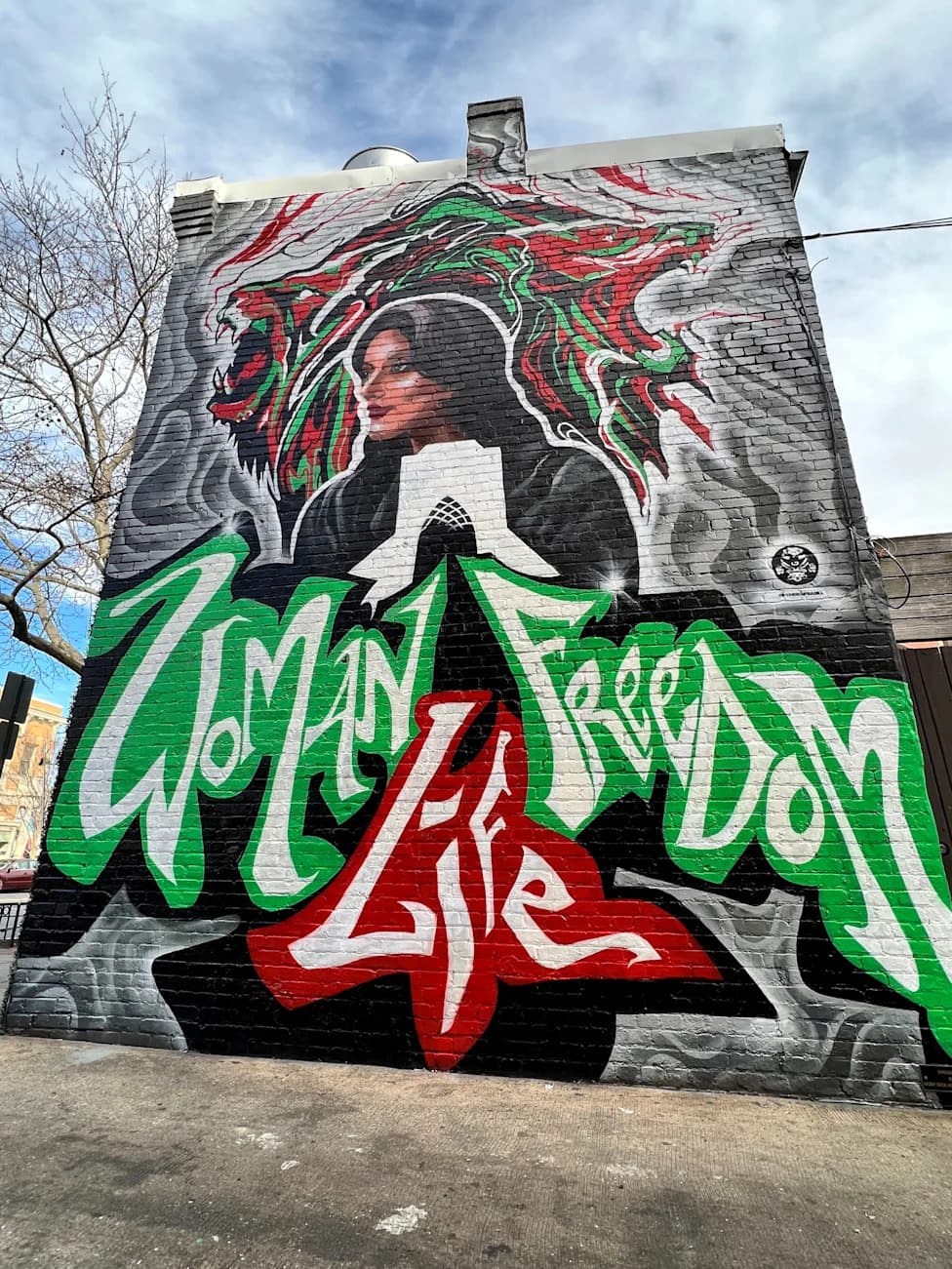
Increasing numbers of Iranian women are openly forgoing the country's mandatory headscarf, the hijab. That would have been nearly unthinkable a few years ago in the Islamic Republic, where conservative clerics and hard-line politicians long demanded strict enforcement. The 2022 death of Mahsa Amini and the mass protests that followed galvanized women across generations in a way not seen since the 1979 Islamic Revolution.
“When I moved to Iran in 1999, letting a single strand of hair show would immediately prompt someone to tell me to tuck it back under my headscarf out of fear of the morality police taking me away,”
— Holly Dagres, senior fellow at the Washington Institute for Near East Policy.
“To see where Iran is today feels unimaginable: Women and girls openly defying mandatory hijab.”
Authorities appear overwhelmed by the number of women dropping the hijab and worry that a harsh crackdown — at a sensitive moment marked by power outages, water shortages and a battered economy — could push frustrated Iranians back into the streets.
On the ground observations
I traveled on a three-day visa to attend a summit where Foreign Minister Abbas Araghchi spoke as tensions persist over Tehran’s nuclear program. My reporting time outside the summit was limited, but this was my first on-the-ground visit since 2018–2019. From colleagues’ reports and social media I had long suspected a shift; seeing it in person made the scale unmistakable.
Around Tajrish Square, at the foot of the Alborz Mountains, schoolgirls required to wear the hijab removed them as they left class, darting between cars, laughing and carrying art projects. Women of all ages walked uncovered at the Tajrish Bazaar and near the blue-tiled Imamzadeh Saleh shrine while two nearby police officers spoke as if indifferent.
At the luxury Espinas Palace Hotel, several women walked past signs reading, “Please observe the Islamic hijab,” without covering their heads. A foreign diplomat’s wife attended a summit dinner without a scarf. One Iranian attendee briefly pulled a scarf over her head when speaking with hotel staff, then let it fall to her shoulders moments later.
These scenes were most frequent in northern Tehran, an affluent and generally more liberal area, but uncovered women were visible in more conservative southern neighborhoods as well, sometimes passing others wrapped in the full black chador.
Signs of regional conflict were visible too: I saw an apartment building whose top-floor unit still lay in ruins after an Israeli strike.
Why officials hesitate
Hard-liners in Iran’s theocracy have repeatedly called for tougher enforcement of hijab laws. Reformist President Masoud Pezeshkian has argued against harsher measures; in a September interview he said that "human beings have a right to choose." Supreme Leader Ayatollah Ali Khamenei has so far refrained from escalating the hijab issue following recent conflict with Israel and U.S. strikes on Iranian nuclear enrichment facilities.
Economic pressures add to officials’ caution. State-subsidized gasoline prices remain unchanged despite mounting strain; Iran’s currency, the rial, trades at over 1 million to $1. Years of inflation, unemployment and environmental problems have eroded public trust in institutions, and past policy moves have triggered nationwide protests met with force.
Mohammad-Javad Javadi-Yeganeh, social affairs adviser to President Pezeshkian, acknowledged findings from an unpublished survey by the state-linked Iranian Students Polling Agency suggesting widespread dissatisfaction — a reality officials had been reluctant to admit after saying the country rallied during the recent war. “When we visit provinces, we see in surveys that people are discontent about the administration,” Pezeshkian said, adding that leaders are accountable when services are not delivered.
Still, fear of renewed crackdowns or further conflict remains. One Iranian woman who recently emigrated to Canada, speaking on condition of anonymity, described a persistent anxiety: “Sometimes when I’m behind the wheel, I try to find my headscarf on my head. That fear is still with me.”
Looking ahead
The visible refusal of the hijab in Tehran reflects deeper social and political tensions: a population weary from economic strain, wary of further conflicts, and increasingly willing to test long-standing limits. Whether this visible change will prompt policy shifts, new crackdowns, or further unrest remains uncertain, but for now Tehran’s streets bear clear signs of a country in flux.
Help us improve.