Using audio from Perseverance's mast-mounted microphone, researchers identified 55 brief electrical discharges on Mars over two Martian years, primarily during dust storms and dust devils. The tiny arcs were only inches across and were detected within about six feet of the microphone, lasting from seconds to as long as 30 minutes. The results open new questions about Martian atmospheric chemistry and potential risks to electronics, though experts urge caution because the evidence comes from a single instrument and the events were heard rather than visually confirmed. Separately, two small satellites (Blue and Gold) are en route to study atmospheric loss and are expected to arrive at Mars in 2027.
Perseverance Detects 'Mini Lightning' on Mars — 55 Tiny Electrical Discharges Recorded

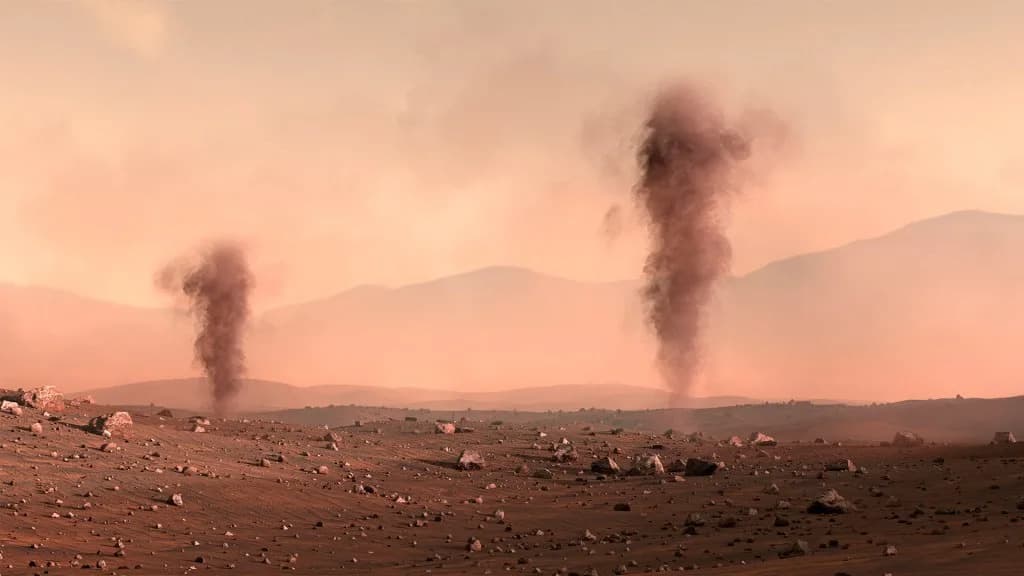
Scientists report that NASA's Perseverance rover has "heard" what appear to be tiny electrical discharges — or "mini lightning" — on Mars. A French-led team analyzed acoustic and electric signals captured by a microphone mounted on the rover's mast and identified 55 events over two Martian years, mostly during dust storms and dust devils.
The events were brief and localized: electrical arcs only inches across and detected within roughly six feet of the mast-mounted microphone. The team examined about 28 hours of audio and found that discharges produced by fast-moving dust devils lasted a few seconds, while those associated with larger dust storms persisted for up to 30 minutes. The sounds were audible amid gusting wind and the noise of dust striking the microphone.
How the discovery was made
The microphone that recorded the signals was originally intended to capture the rover zapping rocks with lasers as part of its scientific toolkit. By analyzing the acoustic signatures alongside electric measurements, researchers identified patterns consistent with small-scale electrical sparking caused by charged dust grains rubbing and colliding in Mars' thin, carbon dioxide–rich atmosphere.
"It opens a completely new field of investigation for Mars science," said Baptiste Chide of the Institute for Research in Astrophysics and Planetology in Toulouse, the study's lead author, noting potential chemical effects from electrical discharges. "It's like finding a missing piece of the puzzle."
Context and caveats
Independent scientists praised the evidence as persuasive but urged caution because it comes from a single instrument not designed specifically for lightning detection. Daniel Mitchard of Cardiff University, who commented on the results in the same journal, emphasized that the discharges were heard rather than visually observed. He described the finding as a fortunate discovery but said follow-up measurements with dedicated instruments will be needed for full confirmation.
Researchers note that while Mars' atmosphere makes sparking more likely during dust activity, the planet's thin air also dampens sound, so many discharges would be faint to human ears. Mitchard added that a large, human-dangerous bolt of lightning on Mars is extremely unlikely, but frequent small static-like discharges could pose a risk to sensitive electronics and instruments.
Why it matters
Electrical discharges on Mars could influence atmospheric chemistry, surface processes and the behavior of dust — all factors relevant to planetary evolution and future missions. Confirming and characterizing Martian electrical activity would help scientists understand how the atmosphere and surface interact and whether such discharges affect the preservation of organic molecules in sampled rocks.
Mission context
Perseverance has been exploring a dry river delta since 2021, collecting rock cores intended for possible signs of ancient microbial life. Those samples are part of a future sample-return plan that remains under consideration. Perseverance has already sent Earth recordings of its wheels and the rotor sounds of the Ingenuity helicopter.
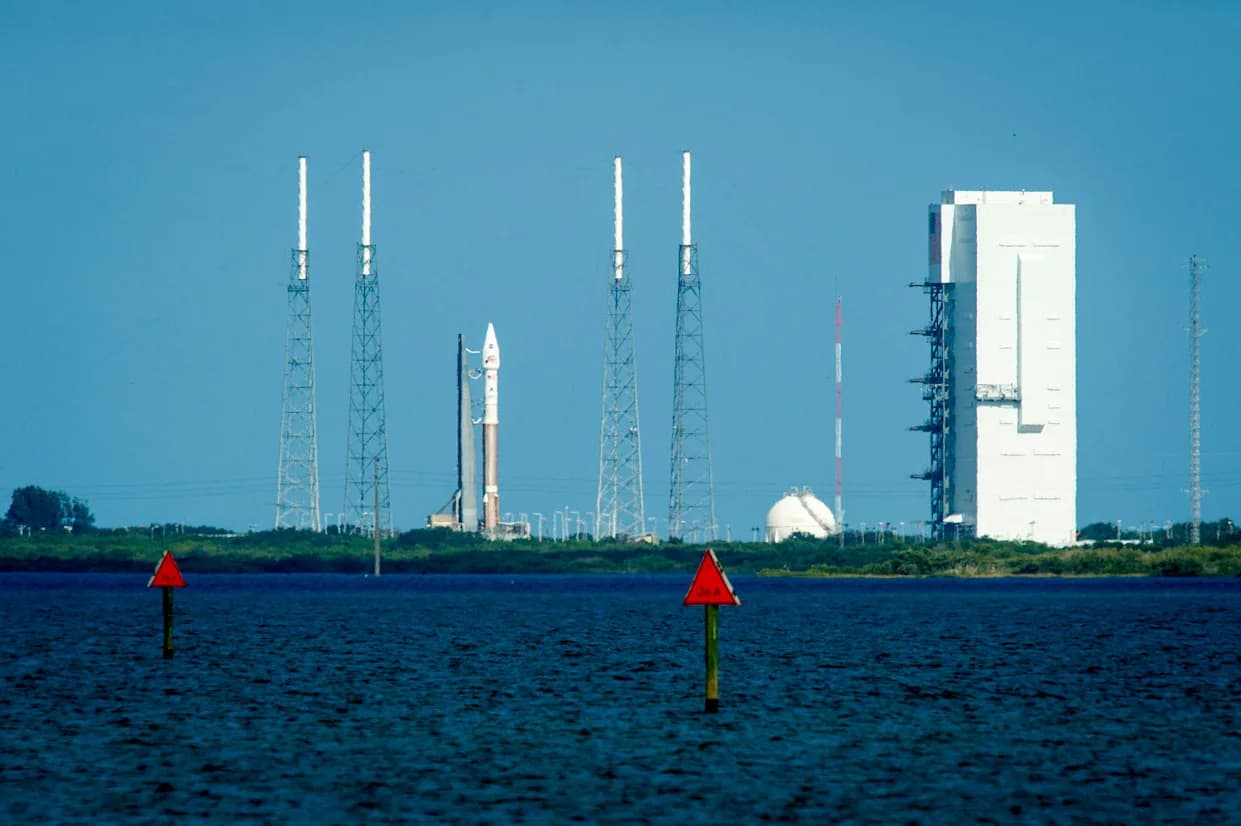
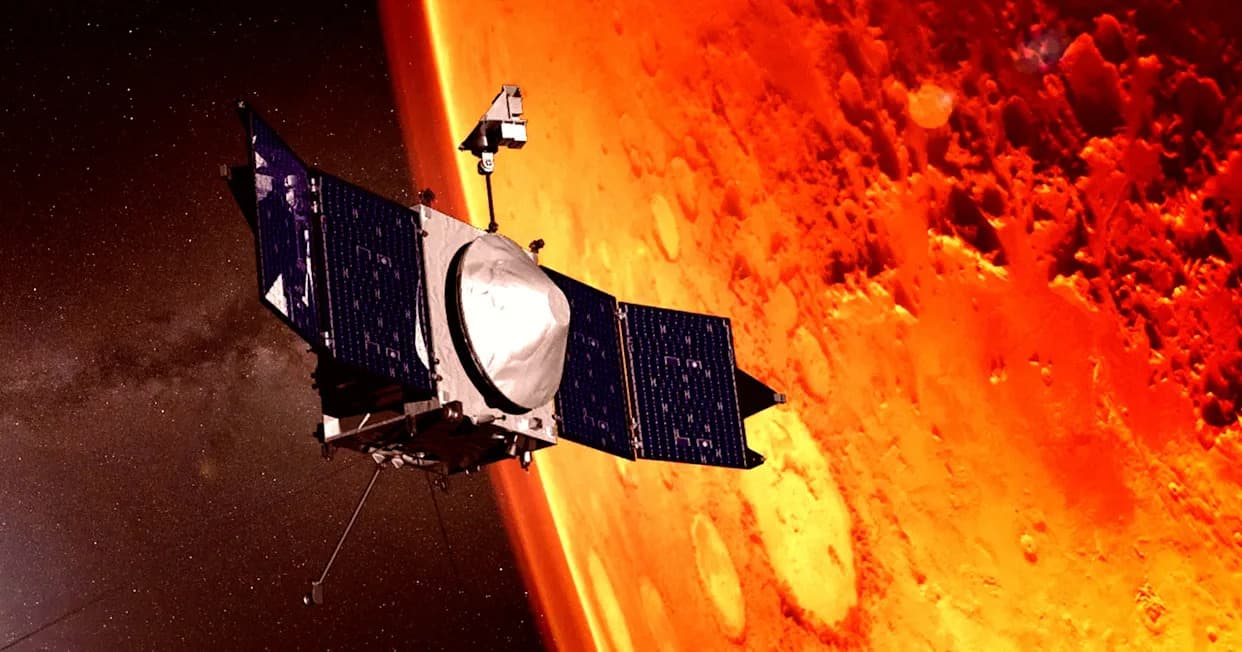
Separately, two small NASA satellites called Blue and Gold — the core of the ESCAPADE mission (Escape, Plasma Acceleration and Dynamics Explorers) — were recently launched aboard Blue Origin's New Glenn rocket and are on a long trajectory to Mars. Managed by the University of California, Berkeley Space Sciences Laboratory, ESCAPADE will study how the sun has stripped away Mars' atmosphere. The probes are scheduled to reach Mars in 2027 after gravity assists and an extended transit.
While further measurements are needed to confirm these initial detections, the reported "mini lightning" events mark a promising new avenue for studying Martian weather, atmospheric chemistry and the challenges of operating sensitive equipment on the red planet.
Help us improve.