A field experiment on the Milan metro found that passengers were more likely to offer a seat to a visibly pregnant person when someone dressed as Batman was also on the train. In 138 staged trials, offers occurred in 67.21% of cases with Batman present versus 37.66% without him. Participants rarely credited Batman directly; researchers suggest the effect may reflect heightened situational awareness from an unexpected stimulus or a prosocial priming effect. The team recommends testing other characters to see whether the phenomenon is specific to superheroes.
Why Seeing Batman Made Milan Commuters More Likely to Give Up Their Seats

A curious field experiment on the Milan metro found that passengers were significantly more likely to offer a seat to a visibly pregnant person when someone dressed as Batman was also on the train. The study, conducted by psychologists at the Catholic University of the Sacred Heart in Italy and published in npj Mental Health Research, explores how surprising stimuli and cultural priming can influence everyday prosocial behavior.
Study design and key findings
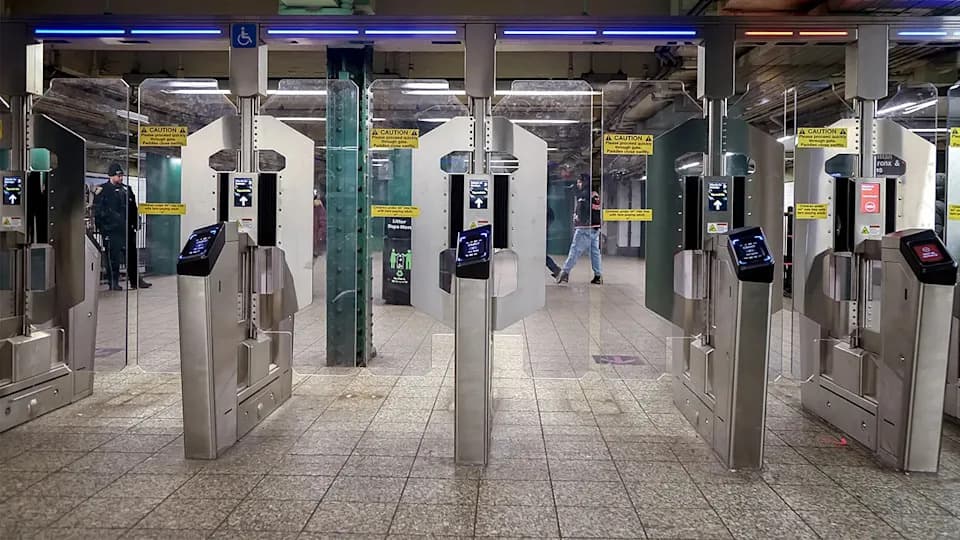
The researchers staged 138 trials in which an experimenter boarded wearing a hidden prosthetic pregnancy belly. In trials where a second experimenter was dressed as Batman and present on the same train, another passenger offered their seat in 67.21% of cases. When the costumed figure was absent, the offer rate fell to 37.66%.
To avoid any appearance of collusion, the Batman impersonator and the pregnant experimenter entered through different doors, positioned themselves several meters apart, and did not interact during the trials.
What participants said
When asked why they gave up their seat, most participants in both conditions cited recognizing the pregnancy and appealed to social norms, upbringing, or safety concerns rather than the influence of a nearby costumed person.
"When inquired about the reason for the prosocial gesture, most of the responses in the two conditions referred to the importance of recognizing pregnancy, with some directly referring to social norms, education, or safety," the authors write.
Notably, among those who vacated their seat in the Batman condition, none explicitly linked their action to Batman; 14 people — 43.75% of that subgroup — reported that they had not noticed Batman at all.
Possible explanations
The team proposes two nonexclusive mechanisms. First, an unexpected stimulus such as a person in an out-of-place costume may heighten commuters' situational awareness: when someone unusual attracts attention, distracted passengers (for example, listening to a podcast) may become more attentive to their surroundings and notice a pregnant passenger in need of a seat.
Second, the presence of a superhero figure may prime cultural values and norms that encourage helping behavior. As Francesco Pagnini, a psychologist at UniCatt, puts it: "The figure of Batman could, in other words, play a prosocial priming role."
The researchers also acknowledge indirect effects are possible: even passengers who did not consciously notice Batman might have responded to the reaction he caused among fellow commuters.
Next steps
To determine whether the effect is unique to Batman or driven by any salient or unexpected figure, the authors recommend repeating field experiments with other characters—such as a menacing figure like Darth Vader—to compare how different cultural associations shape prosocial responses.
The full report appears in npj Mental Health Research.
Help us improve.