New York City’s $1.1 billion subway gate pilot is under fire after viral videos showed riders easily bypassing the new barriers in a trend nicknamed the "Fare Evasion Olympics." Influencer posts—one reportedly with more than 18 million views—and a late-night contest that awarded a $3 prize have intensified scrutiny. The MTA says the rollout is a free pilot using leading technology, while watchdogs point to a Citizens Budget Commission estimate of roughly $1 billion lost to fare and toll evasion in 2024.
NYC’s $1.1B Subway Gates Ridiculed After Viral ‘Fare Evasion Olympics’ Stunts
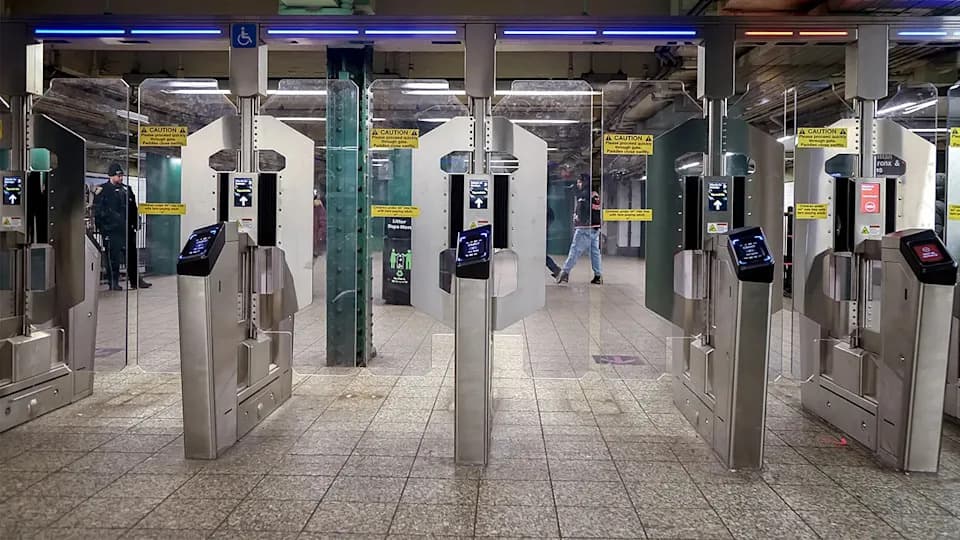
Turnstiles equipped with One Metro New York (OMNY) devices are seen at a subway station in the Brooklyn borough of New York, US, on Dec. 30, 2025.(Getty Images)
New York City’s recently installed subway fare gates — part of a $1.1 billion modernization program — are being ridiculed online after a series of viral videos showed riders jumping, slipping or otherwise bypassing the new barriers with apparent ease.
Viral Stunts Spark Wider Questioning Of Cost
What began as isolated pranks has evolved into a social-media trend some participants call the "Fare Evasion Olympics." Clips of riders vaulting over or sliding through the gates have racked up millions of views and renewed debate about whether the expensive rollout will actually reduce fare evasion.
Notable Incidents
The New York Post reported a late-night contest at Manhattan’s Broadway-Lafayette St. station in which participants took running jumps over the fare gates; the event’s organizer, Danny Fisher, said the winner received a $3 check — the price of a single subway ride. Brooklyn influencer @officialkiingspiider has posted multiple videos showing riders bypassing the gates. One earlier clip reportedly surpassed 18 million views on Instagram after showing him walking through the gate as another rider exited; a more recent video shows him slipping through while blindfolded and using a cane as a prop.
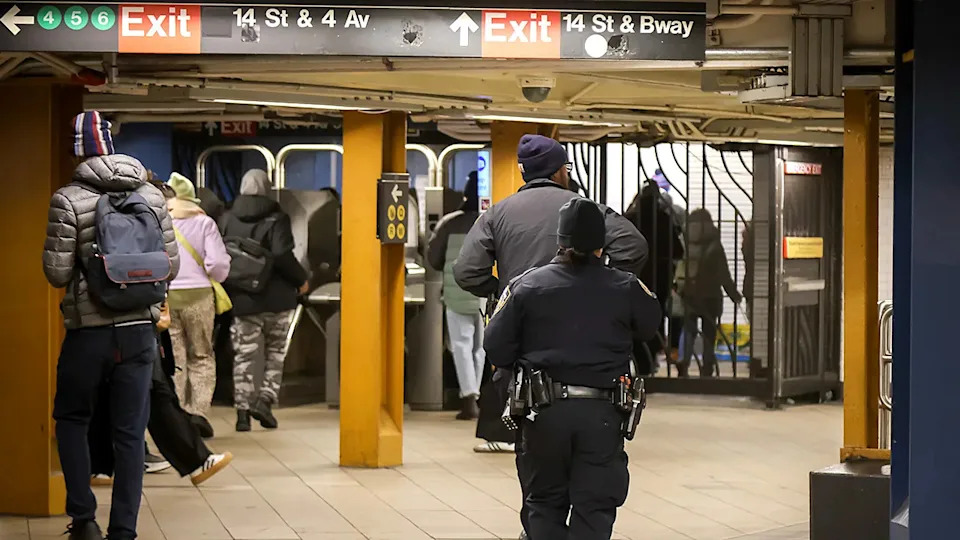
New York Police Department officers are seen at the Union Square subway station in New York on Dec. 30, 2025.
"It’s still incredibly beatable. It’s not really effective, it’s just expensive," said Danny Fisher, who organized the "Fare Evasion Olympics."
MTA Pilot And Official Response
In late 2025 the Metropolitan Transportation Authority (MTA) launched a pilot of three new gate designs in 20 stations, moving away from traditional turnstiles. Officials have said one design could be expanded to roughly 150 stations across the city over the coming years as part of a program that carries an estimated $1.1 billion price tag.
The MTA defended the pilot to local media, calling it "a free pilot program with technology from leading companies in the world, and so far most riders seem to like it." The agency also dismissed some online critics as "minor-league trolls who steal rides from New Yorkers for internet attention."
Financial Stakes And Scrutiny
Fare and toll evasion remains a significant financial concern: a September report from the Citizens Budget Commission estimated the MTA lost roughly $1 billion in revenue to fare and toll evasion in 2024. That estimated loss is a driving argument for investments aimed at improving fare collection — but the viral stunts have intensified scrutiny over whether the new gates will deliver measurable results without compromising station safety or service.
As the online debate grows, city leaders and transit officials will face pressure to demonstrate that the pilot can deter evasion and improve the rider experience before a broader rollout proceeds.
Help us improve.