Governor Kathy Hochul vetoed a bill that would have mandated two-person crews on every NYC subway train, leaving crew size to future TWU–MTA negotiations. Though most NYC lines already run two-person crews, global research finds only ~6% of commuter rails use two-person teams, and multiple analyses show no clear safety advantage. Switching to one-person operations could save the MTA about $442 million a year—money that could fund platform screen doors and other safety upgrades. Political and union alignments make immediate change unlikely.
Why New York Can't Ditch Two-Person Subway Crews — Politics, Safety Claims, and a $442M Price Tag
Why Can't New York Get Rid of 2-Person Subway Crews?
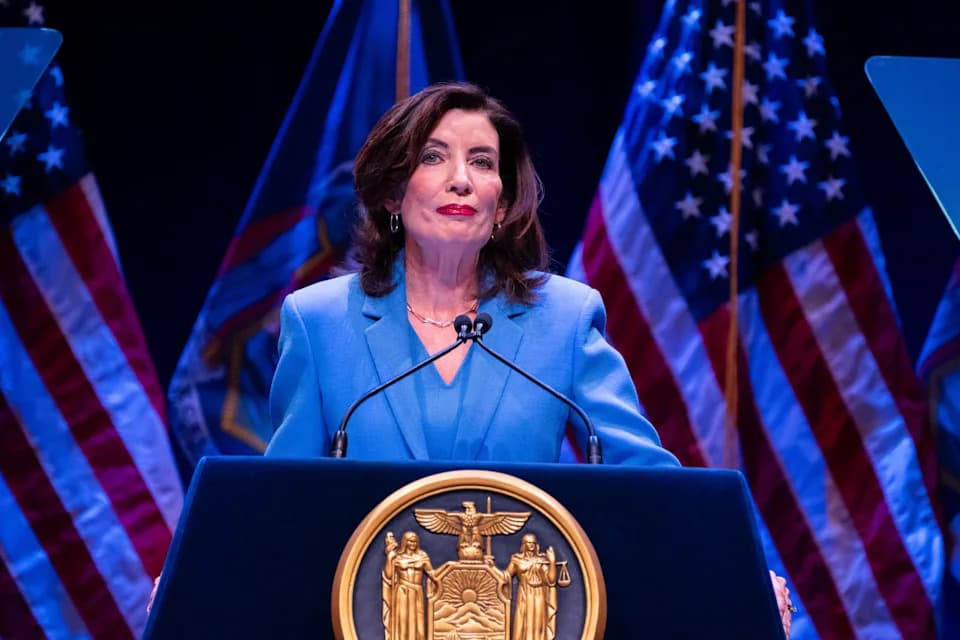
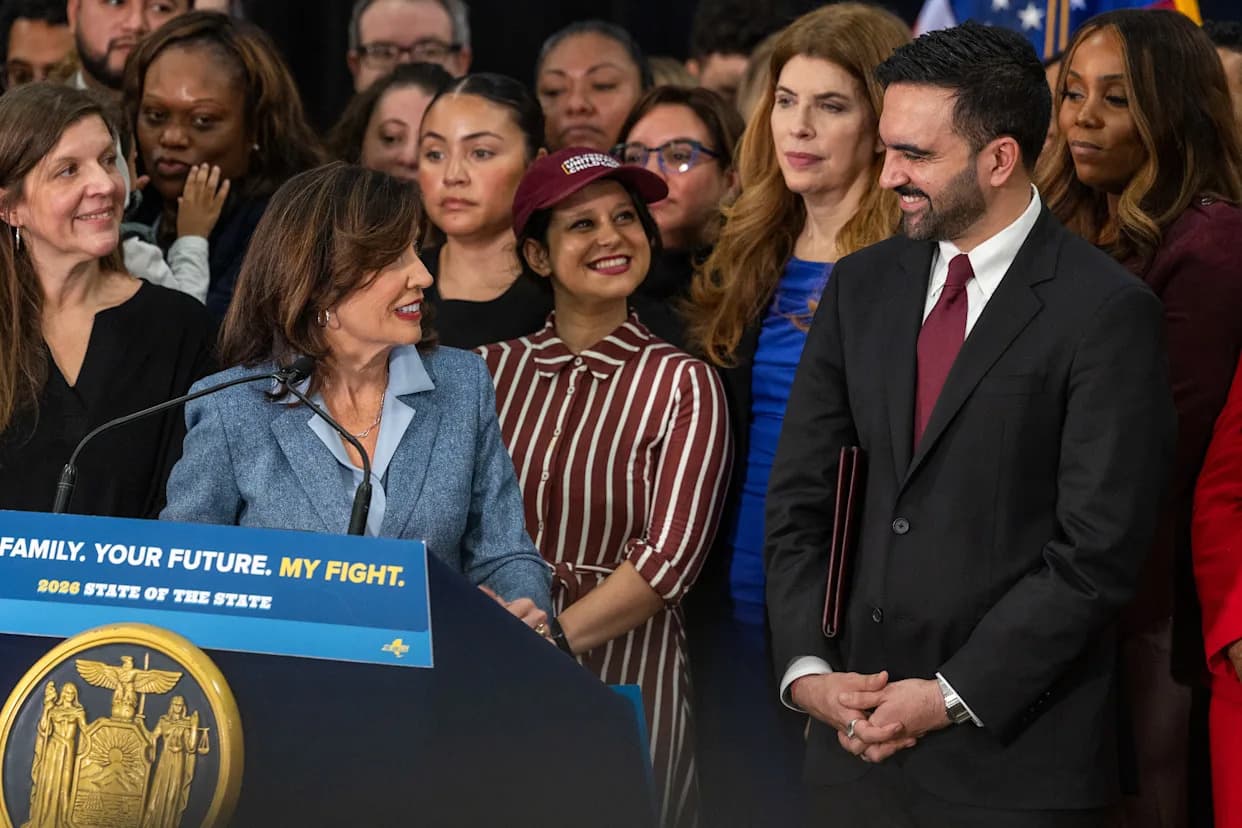
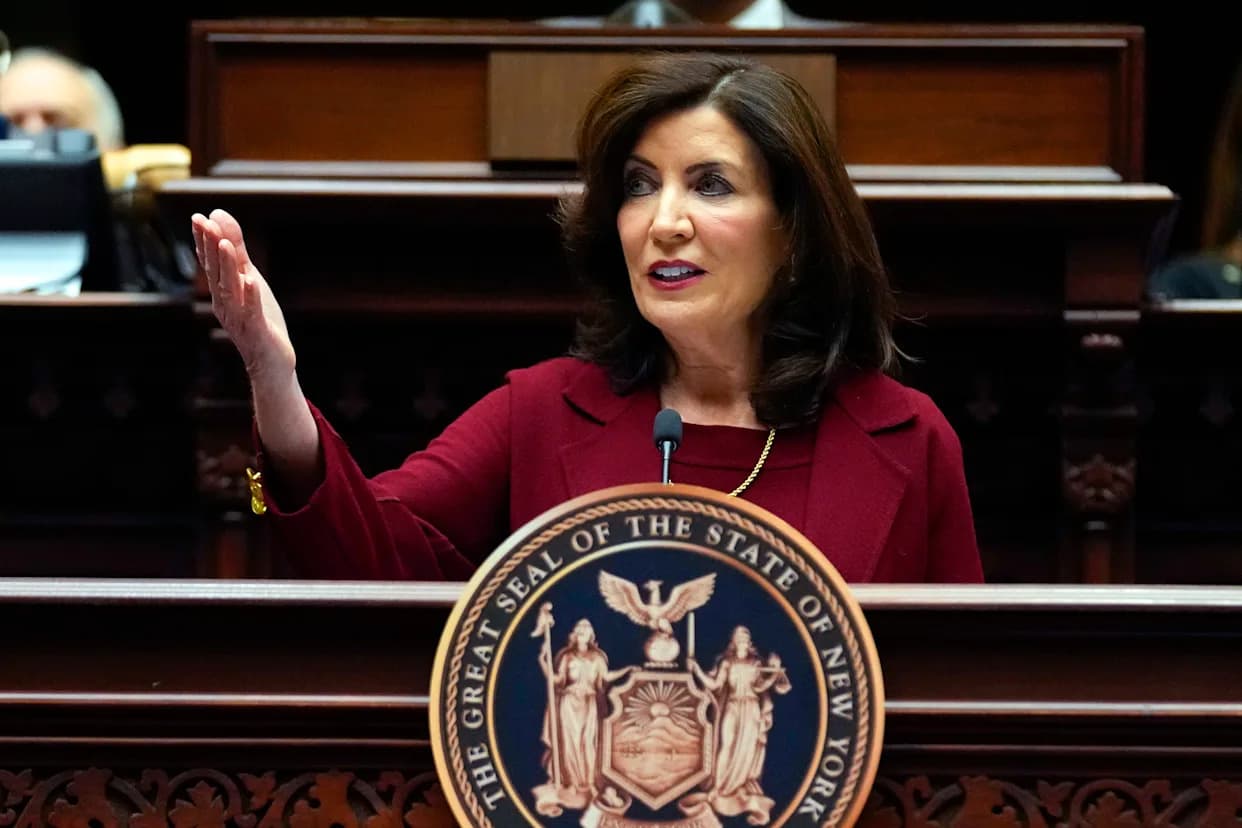
Late last year, New York Governor Kathy Hochul vetoed a bill that would have required two-person operating crews—both a driver and a conductor—on every New York City subway train. The veto stopped a statutory mandate but left the question of crew size to future labor negotiations between the Transport Workers Union (TWU) and the Metropolitan Transportation Authority (MTA).
Background
The bill passed the state Legislature after a push from the TWU to permanently enshrine more union jobs in state law. Under the current TWU-MTA labor contract, most NYC subway lines already operate with two-person crews. Hochul's veto prevented a systemwide legal requirement, preserving flexibility for future bargaining rather than locking crew size into statute.
How Common Are Two-Person Crews?
New York's reliance on two-person subway crews is an outlier globally. Research from New York University's Marron Institute of Urban Management estimates that roughly 6% of the world’s commuter rail lines use two-person operating crews; most metropolitan rail systems have operated safely for decades with a single driver.
Does Two-Person Staffing Improve Safety?
Unions say additional staff improve safety. But multiple analyses find little evidence that multi-person crews deliver measurable safety benefits for passenger rail operations. Adam Lehodey of the Manhattan Institute documented that London — which operates mostly one-person trains — runs one of the world’s safest urban rail systems. Research cited by the Association of American Railroads comparing single-person passenger services in Europe with U.S. multi-person freight operations also found no clear safety advantage for multi-person crews.
"It doesn't really matter to us what the data shows," TWU President John Samuelsen told The New York Times, adding that having a driver and a conductor makes rides "visibly safer."
Politics and Policy Beyond New York
The crew-size debate reaches beyond subways. The Federal Railroad Administration (FRA) under the Biden administration adopted a rule requiring two-person freight crews nationwide. Many expected a Republican administration to rescind the rule, but some GOP officials have signaled continued support for two-person crew mandates. During confirmation hearings, Transportation Secretary Sean Duffy and FRA Administrator David Fink expressed support for the Biden-era freight rule, and Vice President J.D. Vance previously co-sponsored federal legislation to mandate two-person freight crews — supported at the time by Senators Josh Hawley and Marco Rubio.
That political mix is notable: other moves by the Trump administration — such as replacing members of the Surface Transportation Board to favor rail consolidation — have favored railroad industry interests, creating a policy tension between pro-railroad and pro-union positions.
Costs and Alternatives
Beyond the contested safety case, two-person crews carry a high price tag. The MTA could save an estimated $442 million per year by shifting to single-operator train operations. Those savings could be redirected toward tangible safety investments: platform screen doors, upgraded signaling, station safety staff, and preventive maintenance.
Platform doors, for example, create a physical barrier between passengers and tracks until a train arrives and stops. After Seoul installed platform doors systemwide, reported annual subway deaths fell sharply — from roughly 70 fatalities a year to about two.
What Could Change
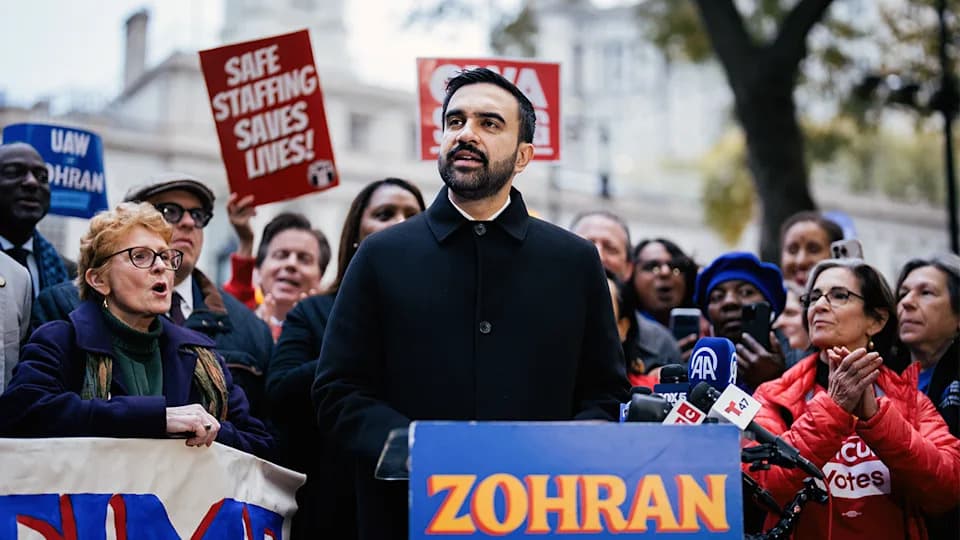
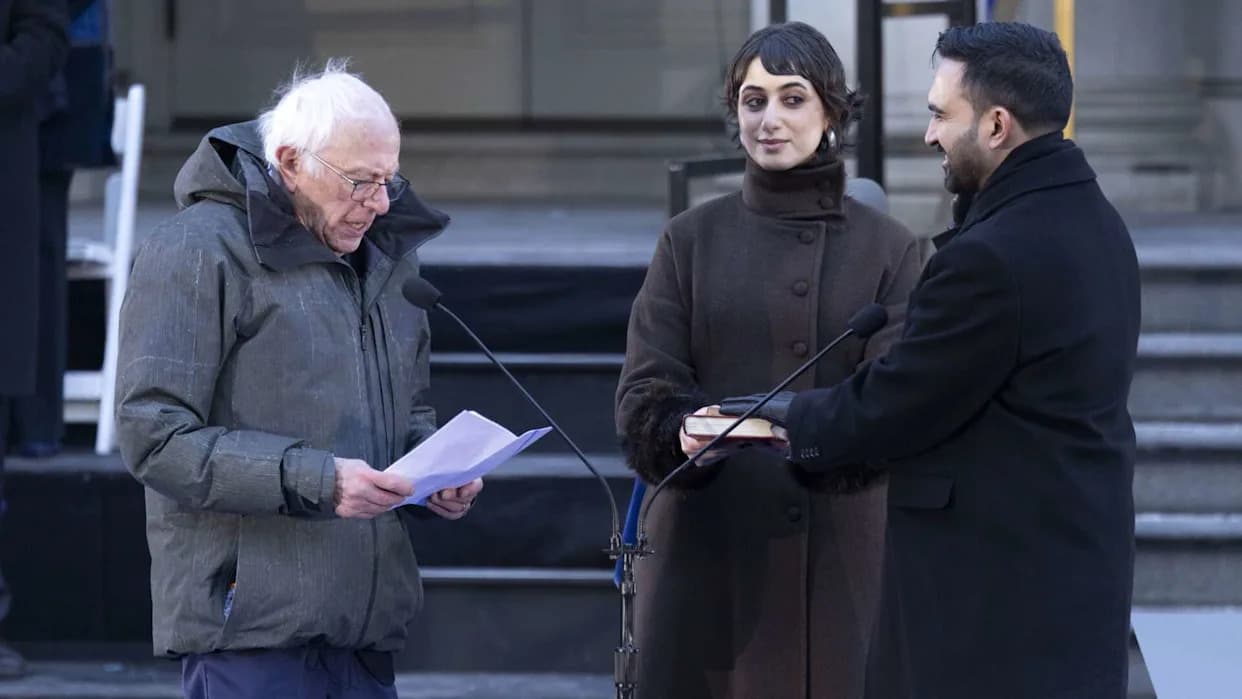
Hochul's veto effectively gives the new New York City mayor, Zohran Mamdani, more room to negotiate with the TWU and the MTA. Whether crew sizes change will depend on political will, contract bargaining, and public pressure. Given current alignments among unions, city leadership, and some federal actors, two-person crews remain politically entrenched — at least for the near term.
Bottom line: The dispute is less about a clear safety consensus than about labor policy, politics, and how transit dollars are allocated. Riders and taxpayers are likely to continue bearing the higher costs unless elected officials or bargaining parties prioritize reallocating funds to infrastructure and safety technology.
Help us improve.