A study at Milan Linate Airport detected benzothiazole compounds in outdoor particulate matter—likely released from tire wear particles—at concentrations similar to busy city streets. The authors report this is the first evidence of benzothiazoles in airport atmospheric particulate matter and describe the chemicals as irritant, corrosive, and acutely toxic. While a News-Medical.net summary judged occupational exposure risk at Milan to be low, the finding highlights a non-exhaust pollution pathway that broadens the known environmental footprint of air travel. The study suggests further monitoring and targeted mitigation around airports are warranted.
Scientists Find 'Acutely Toxic' Benzothiazoles From Tire Wear Near Milan Linate Airport
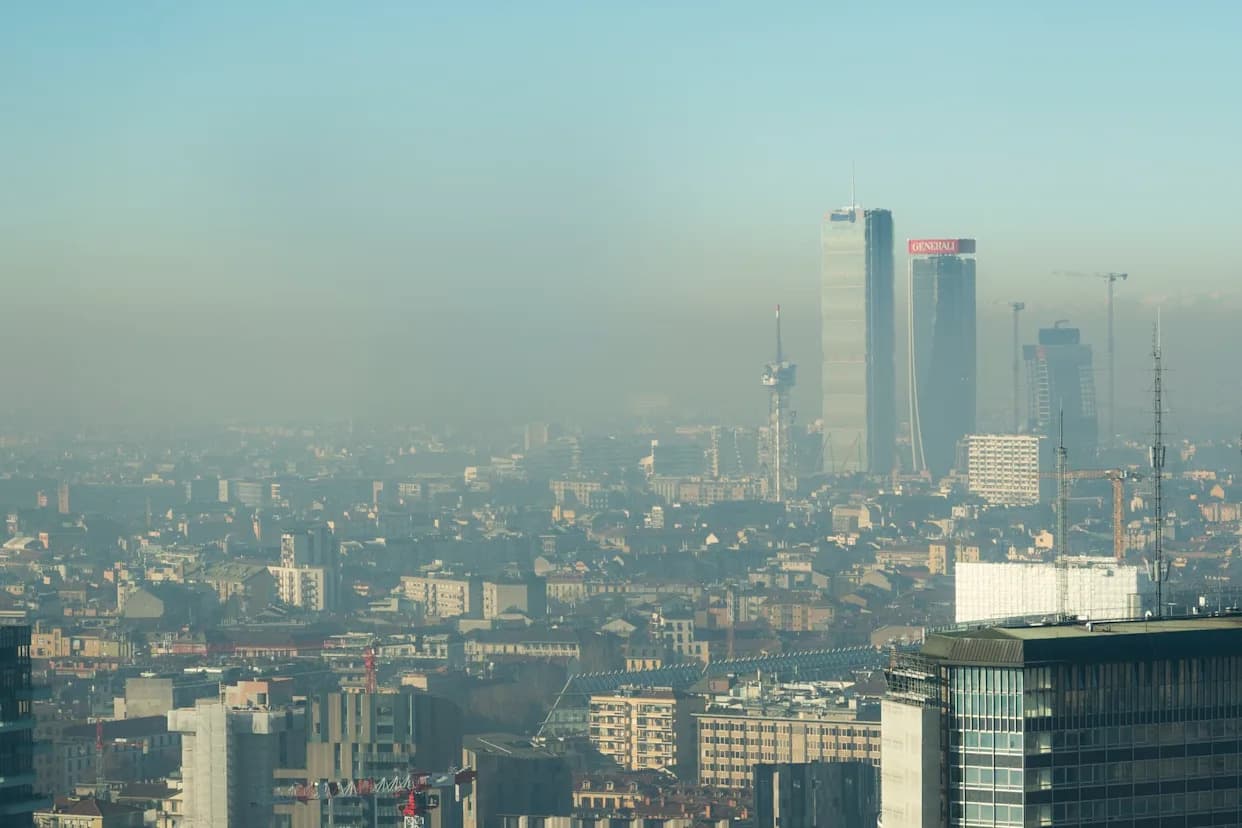
Photo Credit: iStock
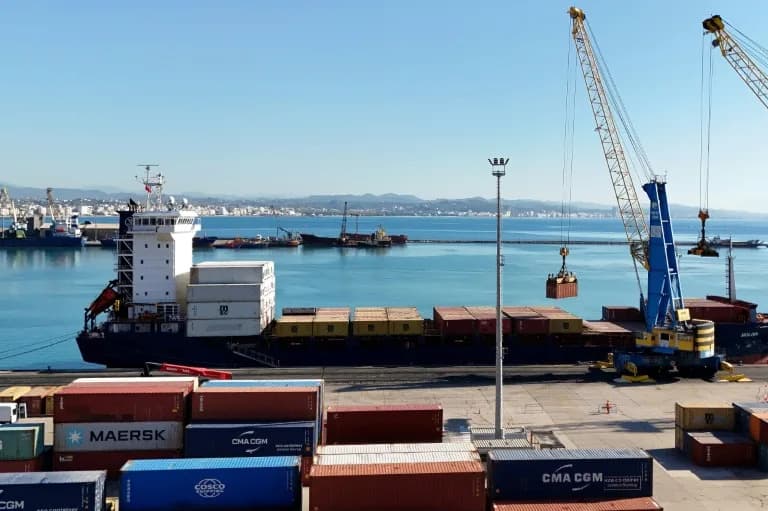
Researchers have identified a previously overlooked source of hazardous air pollution at Milan Linate Airport: tire wear particles (TWPs) that release benzothiazole compounds into outdoor air. The discovery, reported in the journal Environmental Chemistry and Ecotoxicology, highlights a non-exhaust pollution pathway linked to airport ground activity rather than aircraft exhaust.
Study Findings
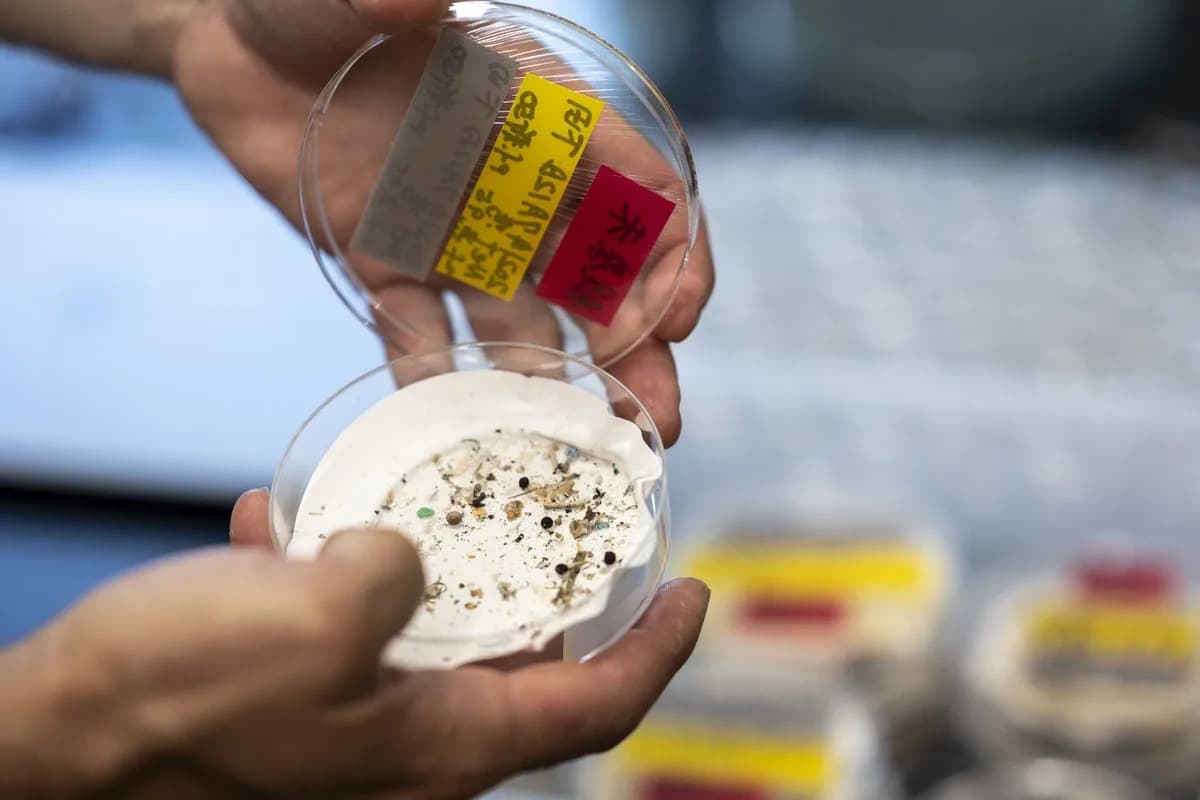
The research team measured concentrations of benzothiazoles (BTH) in atmospheric particulate matter around Milan Linate Airport and found multiple BTH species at levels comparable to those recorded in heavily trafficked urban areas. According to the authors, this study provides the first direct evidence of benzothiazoles in airport particulate matter.
What Are Tire Wear Particles and Benzothiazoles?
Tire wear particles (TWPs) are non-exhaust emissions produced when rubber is abraded from tires as vehicles and ground-support equipment move across pavement. Benzothiazoles are organic compounds commonly used in manufacturing processes—such as in producing antifreeze, de-icing agents, and some pesticides—and can be released from TWPs.
The study characterized detected benzothiazole compounds as “irritant, corrosive, and acutely toxic to living organisms.”
Risk Assessment and Broader Context
A summary of the findings published by News-Medical.net noted that occupational exposure risk to benzothiazoles for airport staff at Milan Linate appears to be low. Nonetheless, the results expand understanding of aviation’s environmental footprint by showing a non-exhaust mechanism for emitting hazardous organics near airports.
For decades, researchers have focused on aircraft exhaust, which contains pollutants such as sulfur dioxide and nitrogen oxides; earlier work has also estimated health impacts from aircraft emissions (a 2010 study estimated roughly 8,000 annual deaths attributable to aircraft exhaust). Aviation also contributes to climate change—about 2.5% of global CO2 emissions and roughly 4% of historical warming to date.
What This Means and What Comes Next
The discovery underscores the need to consider non-exhaust sources—like TWPs from ground vehicles and support equipment—when assessing air quality around airports. Mitigation pathways are already being explored across the sector, from aircraft design and fuel-efficiency efforts (for example, Delta’s collaboration with JetZero aiming for major fuel-efficiency gains) to converting municipal solid waste into sustainable aviation fuels, a strategy research suggests could cut pollution substantially.
Future work should measure benzothiazole levels at other airports, evaluate long-term exposure risks for workers and nearby communities, and test practical interventions to limit TWP generation or capture emitted particles.
Help us improve.