Researchers report that one month of regular running raised levels of the metabolite betaine, produced in part by the kidneys, in a multi-omics study of 13 healthy men. Elevated betaine was associated with reduced markers of cellular aging, improved gut and immune profiles, and mouse experiments suggest betaine inhibits the enzyme TBK1, which is linked to inflammation and aging. While promising, the small, short study and animal data mean larger, longer human trials are needed before clinical use.
Betaine: A Kidney-Made Molecule That May Explain Exercise’s Anti-Aging Effects

A small but detailed human study suggests the metabolite betaine—produced in part by the kidneys—may be a key molecular mediator of some of exercise’s anti-aging benefits. Using a multi-omics approach, researchers tracked how regular running reshaped biological markers across genes, proteins, immune function and small molecules, and tested mechanisms in mice to explore causality.
What the researchers did
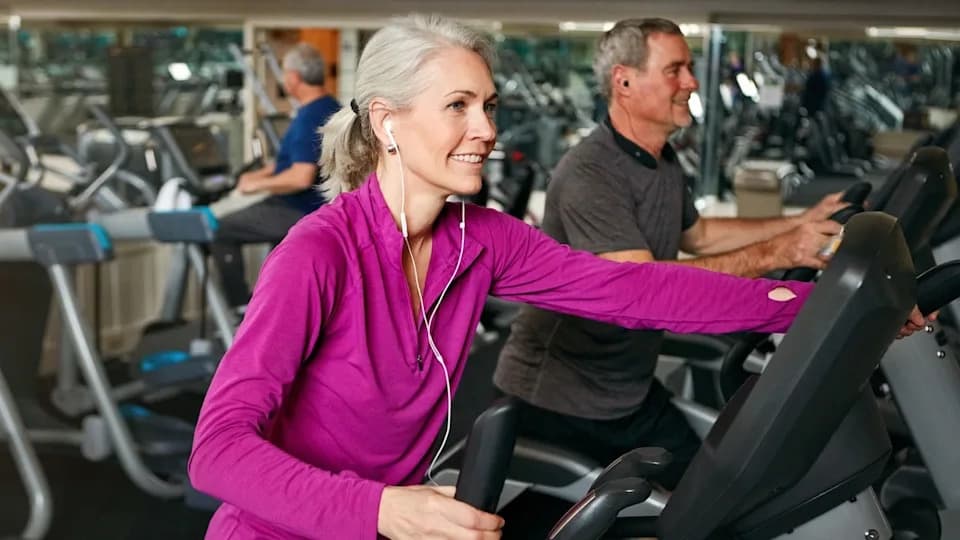
The study followed 13 healthy male volunteers. After a single 5-kilometre (3.1-mile) run participants showed an acute stress response, but after one month of regular running the team observed more durable changes across multiple systems. The investigators combined human measurements with follow-up experiments in mice to probe mechanisms behind the observed changes. The full findings are reported in the journal Cell.
Key findings
Increased betaine: Sustained exercise raised circulating betaine levels, with the kidneys appearing to contribute substantially to that increase.
System-wide improvements: After a month of regular running, participants showed signs of reduced cellular aging and damage, improvements to the gut microbiome, and more favorable immune markers compared with the immediate post-run stress response.
Mechanistic evidence from mice: In laboratory experiments, betaine inhibited the enzyme TBK1, which has been implicated in inflammation and aging-related pathways. This suggests betaine could be an active driver — not just a byproduct — of some exercise benefits.
“This study gives us a fresh way to turn how our body works into something we can target with chemicals,” said biophysicist Liu Guang‑Hui. “It opens the door to geroprotective treatments that can tweak how multiple organs work together.”
Why this matters
If validated in larger, more diverse human studies, betaine or therapeutics that boost its activity could inform strategies to reduce age-related decline or help people who cannot exercise. The authors suggest such findings could guide development of targeted interventions that capture some molecular benefits of exercise.
Important caveats
The human study was small (13 men) and relatively short in duration, and the volunteers were all male, which limits generalizability. Mouse experiments support a plausible mechanism but do not prove identical effects will occur in people. Much larger, longer and more diverse studies are needed to confirm safety, efficacy and real-world relevance.
Bottom line
The discovery that exercise raises kidney-derived betaine and that betaine can inhibit an aging-linked enzyme offers an intriguing lead into how physical activity promotes healthy aging. However, this does not replace the many proven benefits of regular exercise—cardiorespiratory fitness, muscle strength, mental health and more—and translating the findings into safe therapies will require extensive further research.
Help us improve.