The 2020 discovery of a human skull at the Cantabrian oppidum La Loma, analyzed in the Journal of Roman Archaeology, yields direct evidence of Roman siege tactics and psychological warfare in the first century B.C. The skull—likely that of a local man in his mid-40s—was found placed in a collapsed wall, with no other remains nearby, suggesting it was displayed as a trophy. Hundreds of arrows and damaged weapons at the site point to a violent final assault, and the find complements sparse historical records of the Cantabrian Wars.
La Loma Skull Reveals Roman Intimidation Tactics During the Cantabrian Wars

Ancient skull offers rare glimpse of Roman conquest tactics
A single human skull recovered in 2020 from the Cantabrian oppidum of La Loma has been analyzed in a study published in the Journal of Roman Archaeology. The find provides tangible evidence of the violence and psychological warfare that accompanied Rome’s expansion into northern Spain during the first century B.C.
Discovery and context
Archaeologists located the skull tucked into a collapsed section of the settlement’s defensive wall. Analysis indicates the remains belonged to a local man about 45 years old. No other skeletal remains or nearby burials were found at the spot, suggesting the head was separated from the body and the remainder of the corpse removed or disposed of elsewhere after the settlement fell.
Evidence of a violent siege
Excavations around the fortification uncovered hundreds of projectiles—predominantly arrows—embedded in and around the walls, consistent with massed volleys used during a coordinated assault. Fragments of armor and weaponry, many damaged in close-quarters combat, were scattered across the site. After taking La Loma, the attackers appear to have demolished the walls and fortifications.
Trophy display and exposure
The placement of the skull in a conspicuous position within the collapsed wall, together with its weathered and flaking bone, led researchers to interpret it as a deliberate trophy intended to intimidate other communities. The condition of the bone suggests it had been exposed to the elements for some time before final disposal.
Historical significance
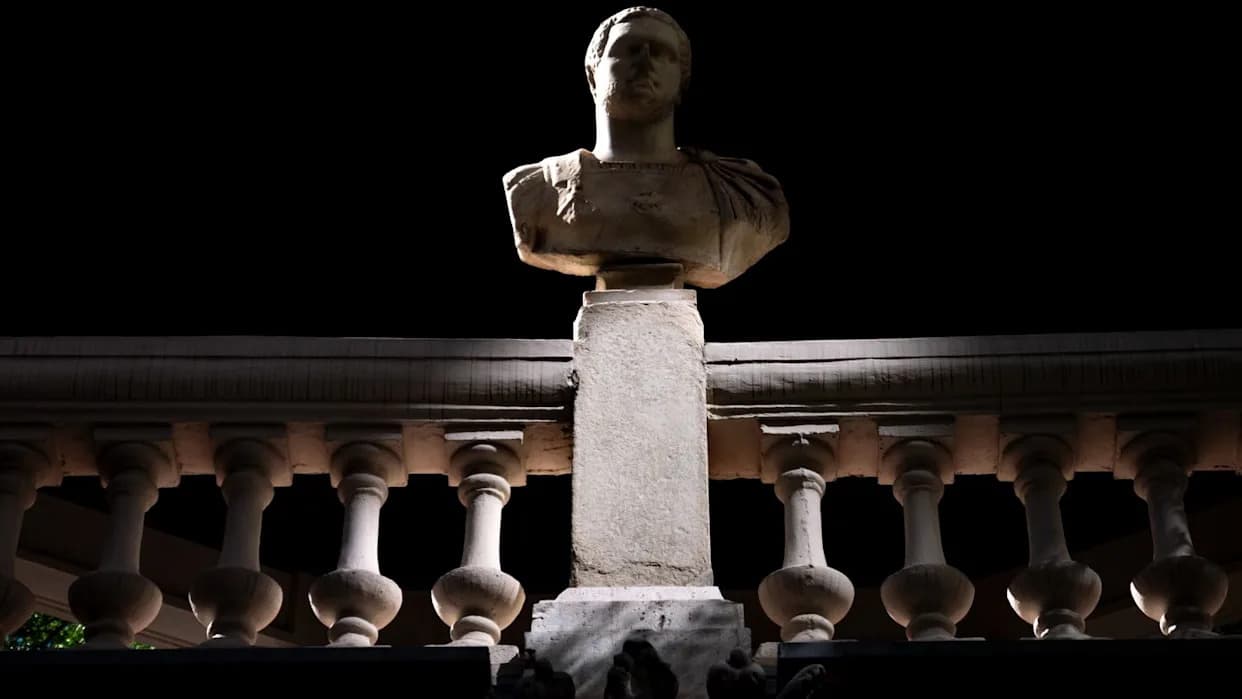
The find sheds archaeological—and reportedly genetic—light on the Cantabrian Wars (29–19 B.C.), a decade-long campaign in which Roman forces fought to subdue the Cantabri, a Celtic people in what is now northern Spain. The future emperor Octavian (later Augustus) was involved in Rome’s efforts in the region. Written records of these conflicts are sparse, so physical evidence such as the La Loma skull helps clarify how inhabitants experienced conquest and how Romans used acts of violence and public displays as psychological tools of domination.
In short: the La Loma skull is a stark reminder that Roman military success combined battlefield tactics with symbolic acts intended to cow local populations.
Help us improve.