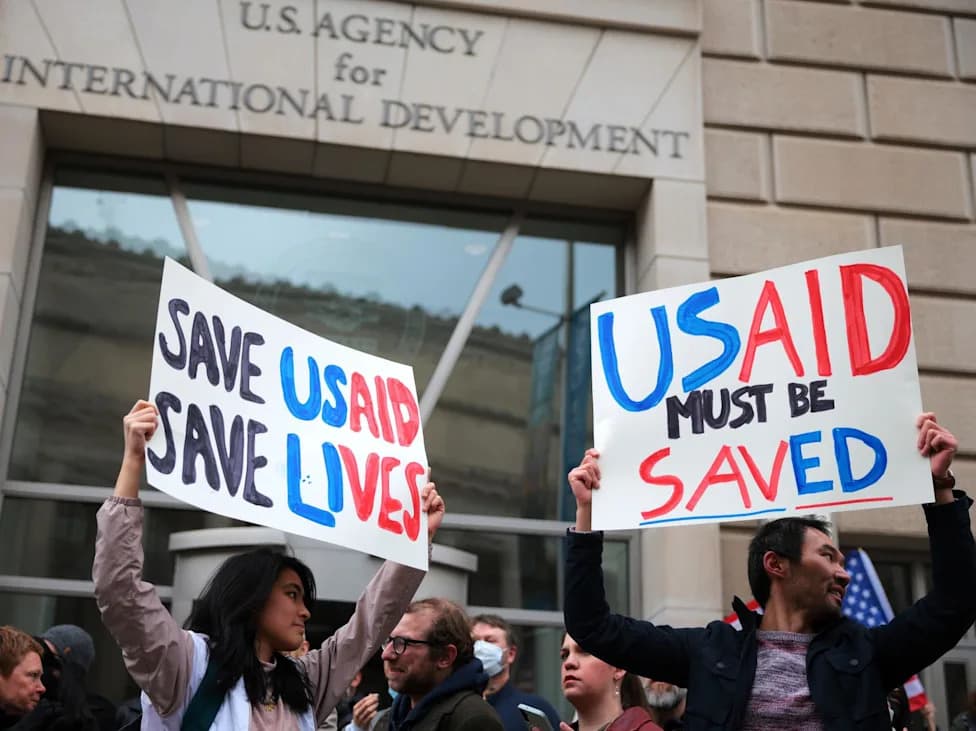
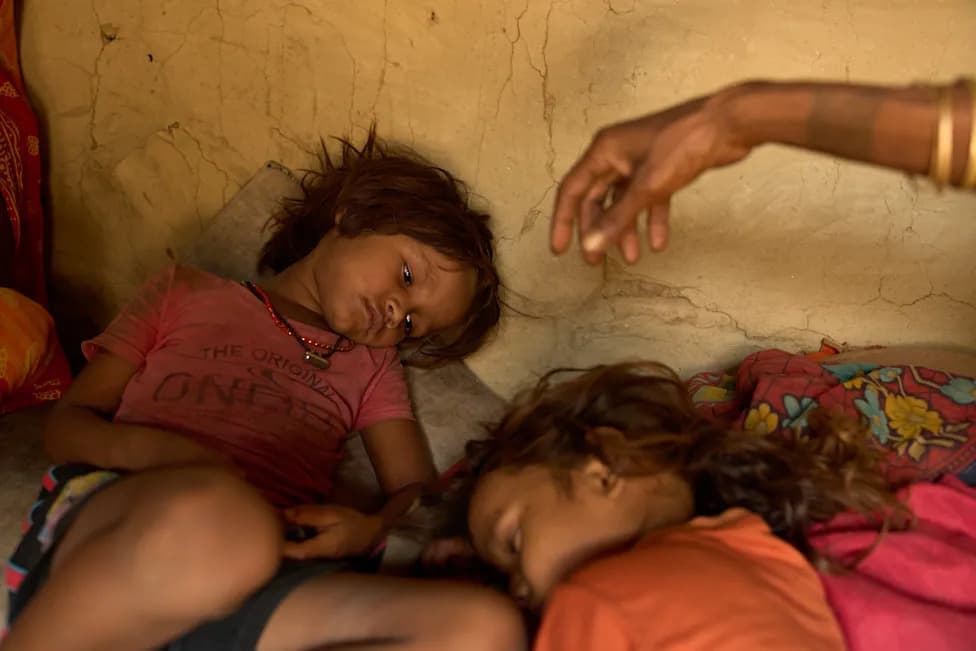
The State Department has instructed staff and grantees not to use US government funds to formally mark World AIDS Day on 1 December, ending an official observance maintained since 1988. The guidance allows personnel to describe ongoing HIV and infectious-disease programmes and to attend related events but bars public messaging across media and social channels. The decision comes amid recent cuts and restrictions to US foreign HIV aid and uncertainties about future PEPFAR reporting to Congress.
US State Department Will No Longer Officially Mark World AIDS Day, Guidance Says

The US State Department has told employees and grant recipients not to use US government funds to officially commemorate World AIDS Day on 1 December, marking the first time the federal government will not formally recognize the observance since 1988.
According to reporting by Emily Bass and a State Department email seen by journalists, the guidance allows staff and grantees to describe and "tout the work" being done through US health and development programmes that address HIV and other infectious diseases and to attend related events. However, it instructs them to "refrain from publicly promoting World AIDS Day through any communication channels, including social media, media engagements, speeches or other public-facing messaging."
The correspondence reportedly frames this as part of a broader policy to avoid official messaging on commemorative days. The email notes this approach even as the administration has issued proclamations for other observances.
"An awareness day is not a strategy," State Department spokesperson Tommy Piggott said, adding that under the current administration the department is focused on working directly with foreign governments to save lives and encourage greater burden sharing.
Since 1988, World AIDS Day on 1 December has been used to honor people who have died from HIV/AIDS, to highlight progress and gaps in prevention and treatment, and to raise public awareness. Last year, the White House included a public display of AIDS Memorial Quilt panels remembering more than 110,000 lives lost.
The move comes amid broader shifts in US HIV policy: after returning to the White House, President Trump has curtailed or cancelled some foreign aid programmes addressing HIV and AIDS, reduced some research and prevention funding, and restricted certain aspects of support under the President's Emergency Plan for AIDS Relief (PEPFAR). PEPFAR, established during the George W. Bush administration, is widely credited with preventing roughly 25 million early deaths globally.
World AIDS Day has also been the customary moment when the State Department releases cumulative and annual PEPFAR progress data to Congress; the new guidance leaves it unclear whether that reporting will continue on the usual schedule. The State Department provided a statement to media but did not offer additional comment when asked for clarification.
Help us improve.