DNA extracted from dung has allowed researchers to produce a more accurate 2024 estimate for African forest elephants: 135,690 individuals, about 16% higher than the IUCN's 2016 estimate. The IUCN cautions the increase reflects improved survey methods rather than clear population recovery, and the species remains Critically Endangered. Major threats include past heavy population losses, ongoing illegal ivory killing, habitat fragmentation from development, and growing human–elephant conflict.
DNA from Dung Raises 2024 Estimate for African Forest Elephants — Species Still Critically Endangered

Scientists extracting DNA from elephant dung have produced the most precise estimate yet for African forest elephants: 135,690 individuals in 2024, about 16% higher than the last IUCN estimate from 2016. The International Union for Conservation of Nature (IUCN) says the rise reflects improved survey methods rather than a clear population recovery, and the species remains listed as Critically Endangered.
How the survey worked
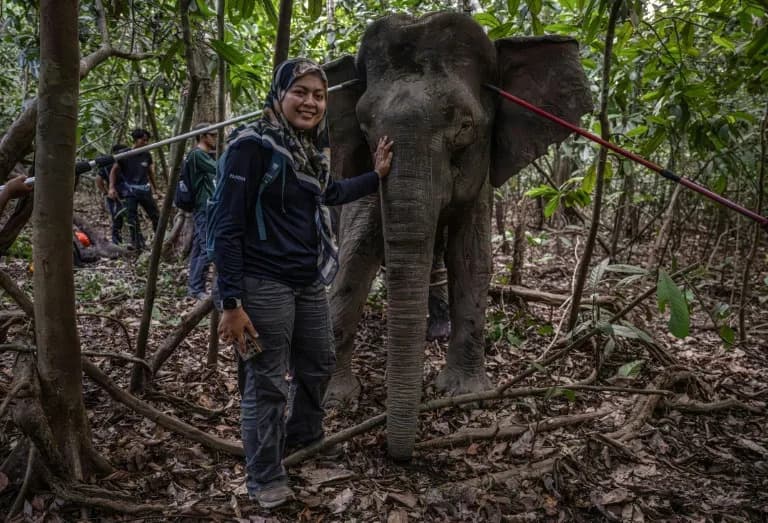
Researchers collected faecal samples across the forest range and extracted genetic material that acts like a fingerprint, allowing teams to identify individual elephants and avoid double-counting. This DNA-based approach enabled broader and more reliable survey coverage in dense rainforest habitats where visual counts are difficult.
Distribution and recent trends
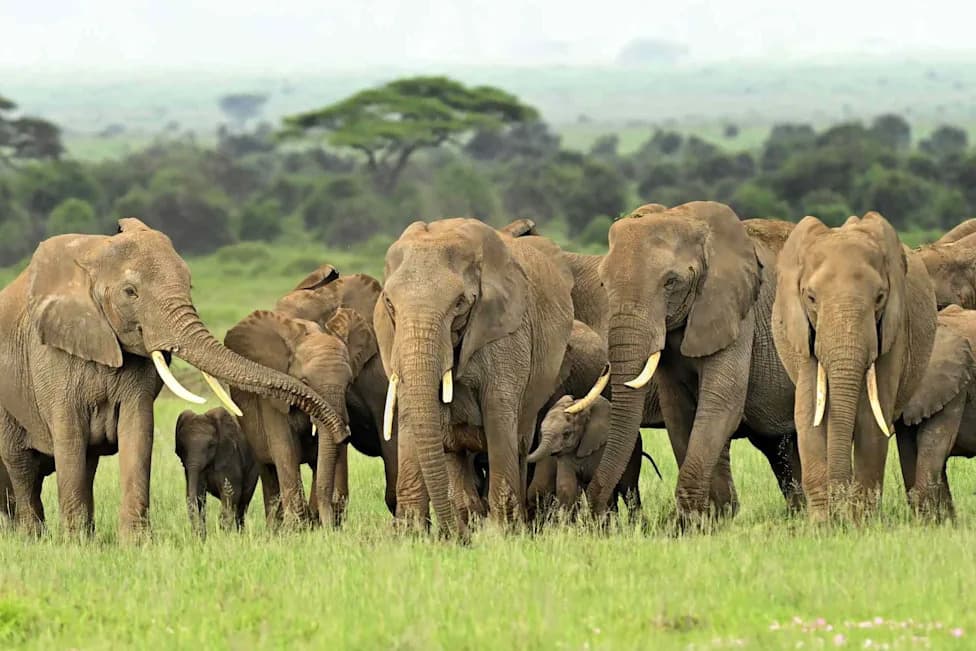
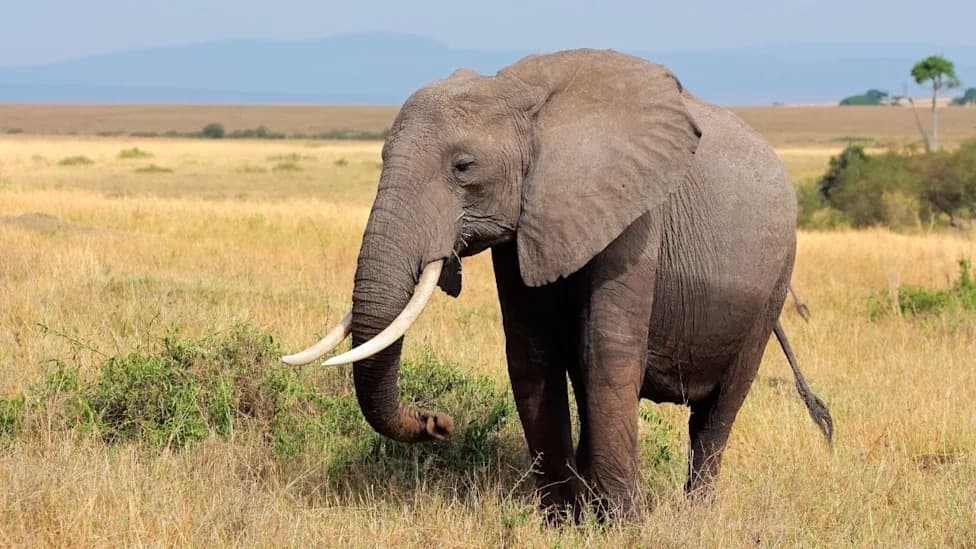
African forest elephants inhabit the dense rainforests of West and Central Africa and are smaller than African savanna elephants. Roughly two-thirds of the global population is in Gabon, and about 20% is in Congo-Brazzaville. The IUCN notes the species suffered an 86% population decline between the mid-1980s and 2015, a loss that continues to hamper recovery efforts.
Threats and conservation challenges
Although poaching rates have fallen since 2018–2019, illegal killing for ivory remains a serious threat. Large-scale development — including expanding mines, roads, rail projects, and industrial agriculture — fragments forest habitat and forces elephants into smaller, isolated patches.
Those pressures push elephants into nearby farms, where they can trample and eat crops, creating human–wildlife conflicts that sometimes lead to retaliatory killings and political tensions.
"This report provides the most accurate picture of elusive African forest elephant populations to date," said IUCN Director General Grethel Aguilar, adding that the findings show conservation action can be effective. Rob Slotow, an IUCN African elephant specialist, cautioned: "The updated numbers of African forest elephants should not be interpreted as population growth, but rather as the result of improved survey coverage made possible by DNA-based methods."
Looking ahead
The report was released as delegates met for the Convention on International Trade in Endangered Species (CITES), underscoring the international focus on protecting threatened wildlife and regulating trade in ivory and other wildlife products. Continued monitoring using genetic methods, stronger anti-poaching measures, and landscape-level planning to reduce habitat fragmentation and human–elephant conflict are key to improving the species' long-term prospects.
Help us improve.