Kansas State University marks 50 years since the state's first recorded herbicide resistance case — atrazine‑resistant kochia in 1976. Resistance has since been documented in 16 weed species across Kansas, and many now resist multiple herbicide classes. K‑State recommends integrated weed management—combining cultural, mechanical and chemical tactics—and directs readers to its Nov. 13 Agronomy eUpdate for full resistance details.
50 Years of Herbicide Resistance in Kansas — K‑State Urges Integrated Weed Management

This year marks the 50th anniversary of the first documented case of herbicide resistance in Kansas. Kansas State University researchers say the problem, first observed in atrazine‑resistant kochia along railroad rights‑of‑way in 1976, has grown more widespread and complex across the state.
Weed species with reported resistance
Since 1976, resistance has been documented in 16 species. Below are the species and the year each was first reported in Kansas:
- Bushy wallflower — first documented in 2005
- Cheat — first documented in 2007
- Common cocklebur — first documented in 1997
- Common ragweed — first documented in 2007
- Common sunflower — first documented in 1996
- Flixweed — first documented in 2006
- Giant ragweed — first documented in 2006
- Henbit — first documented in 2014
- Horseweed/Marestail — first documented in 2005
- Japanese brome — first documented in 2007
- Kochia — first documented in 1976
- Palmer amaranth — first documented in 1993
- Redroot pigweed — first documented in 1995
- Shattercane — first documented in 1996
- Waterhemp — first documented in 1995
- Wild buckwheat — first documented in 2020
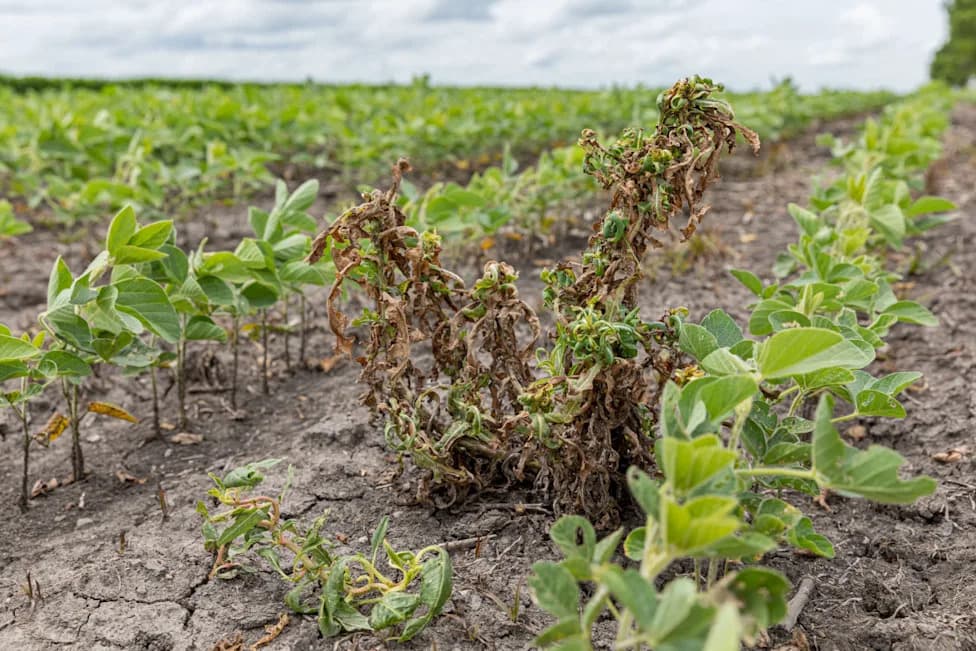
K‑State researchers note that many of these species have evolved resistance to multiple herbicide chemistries, making control more difficult in both agricultural fields and home landscapes. For a detailed list of which species are resistant to which herbicide groups, K‑State points to its Agronomy eUpdate from Nov. 13.
Recommended approach: integrated weed management
To slow the spread and reduce the impact of resistant weeds, K‑State recommends adopting an integrated weed management approach that combines multiple tactics rather than relying on a single herbicide. Key strategies include:
- Cultural practices: crop rotation, cover crops, competitive varieties and timely planting to reduce weed pressure.
- Mechanical control: targeted tillage, mowing and hand removal where practical.
- Chemical strategies: rotate herbicide modes of action, use tank mixes appropriately, and apply correct rates and timing.
- Monitoring and prevention: regular field scouting, early detection, sanitation of equipment to prevent spread, and managing weed seedbanks.
Adopting a diversified approach helps protect the efficacy of existing herbicides and reduces long‑term management costs. Producers and landowners with persistent weed problems are encouraged to consult local extension resources or K‑State guidance for region‑specific recommendations.
Help us improve.