The U.S. EPA will reassess the safety of the herbicide paraquat and has ordered manufacturers to prove its current uses are safe in real-world conditions, Administrator Lee Zeldin said on X. Syngenta, the maker of Gramoxone, faces U.S. lawsuits alleging paraquat exposure contributed to Parkinson's disease, a claim the company disputes as lacking credible evidence. The EPA notes paraquat is mainly used on soybean, corn and cotton fields and will revisit whether existing protections are adequate.
EPA To Reassess Paraquat Safety, Demands Real-World Proof From Manufacturers
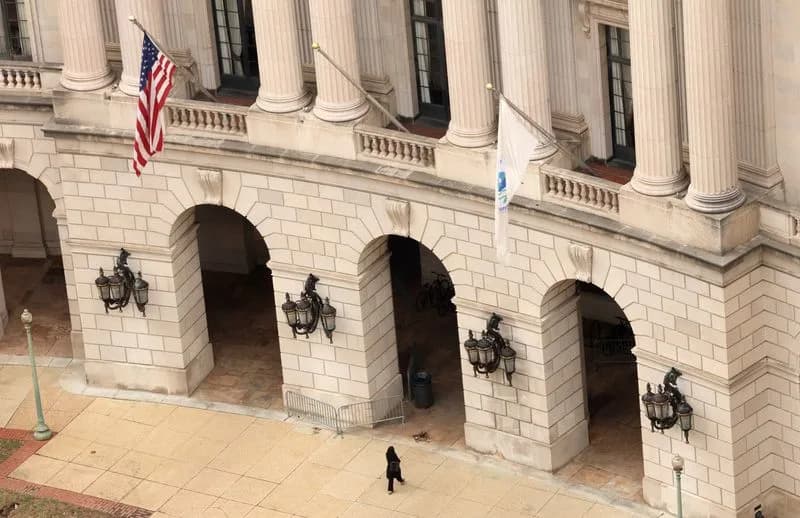
A person walks toward the offices of the U.S. Environmental Protection Agency, days after U.S. President Donald Trump offered buyouts to thin the ranks of civil-service workers, in Washington, U.S., February 3, 2025. REUTERS/Kevin Lamarque
The U.S. Environmental Protection Agency said it will reassess the safety of the herbicide paraquat and has directed manufacturers to provide robust evidence that current uses are safe under real-world conditions, EPA Administrator Lee Zeldin announced on X.
Regulatory Review and Manufacturer Requirements
Administrator Zeldin said the agency is requiring herbicide makers to demonstrate that paraquat, when used in typical agricultural settings, does not pose unacceptable risks to human health or the environment. The EPA's move signals a renewed regulatory review amid heightened scrutiny and legal challenges.
Industry Response and Legal Claims
Syngenta, which markets paraquat under the brand name Gramoxone, is among the product's major sellers and is facing several lawsuits in the United States. Plaintiffs in those suits allege that exposure to paraquat contributed to the development of Parkinson's disease, a progressive neurological disorder that impairs muscle coordination. Syngenta has said there is "no credible evidence" linking paraquat to Parkinson's.
Where Paraquat Is Used
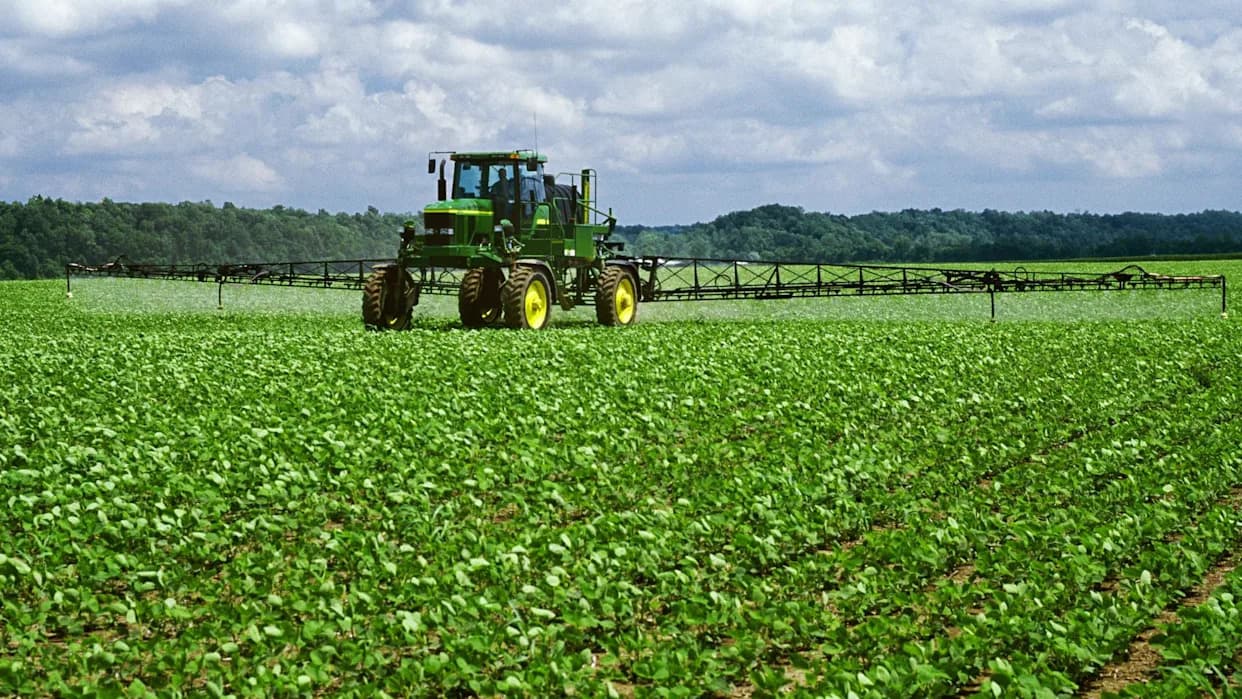
According to the EPA, paraquat is primarily applied to soybean, corn and cotton fields to control invasive weeds and grasses. The agency's reassessment will consider how the herbicide is used in typical agricultural operations and whether current safeguards are sufficient.
Reporting: Costas Pitas and Pooja Menon. Editing: Alan Barona.
Help us improve.