The Justice Department has identified Kristi Noem as the Trump-era official it says ordered that a federal judge's halt on deportations be ignored in a case involving alleged Venezuelan gang members and the Alien Enemies Act. Joe Scarborough warned that court orders cannot simply be disregarded. The disclosure raises legal questions about possible contempt or obstruction and political questions about executive accountability. Further investigations or proceedings may follow as the matter unfolds.
DOJ Names Kristi Noem in Order to Ignore Judge; Scarborough: "You Can't Simply Ignore a Judge's Orders"

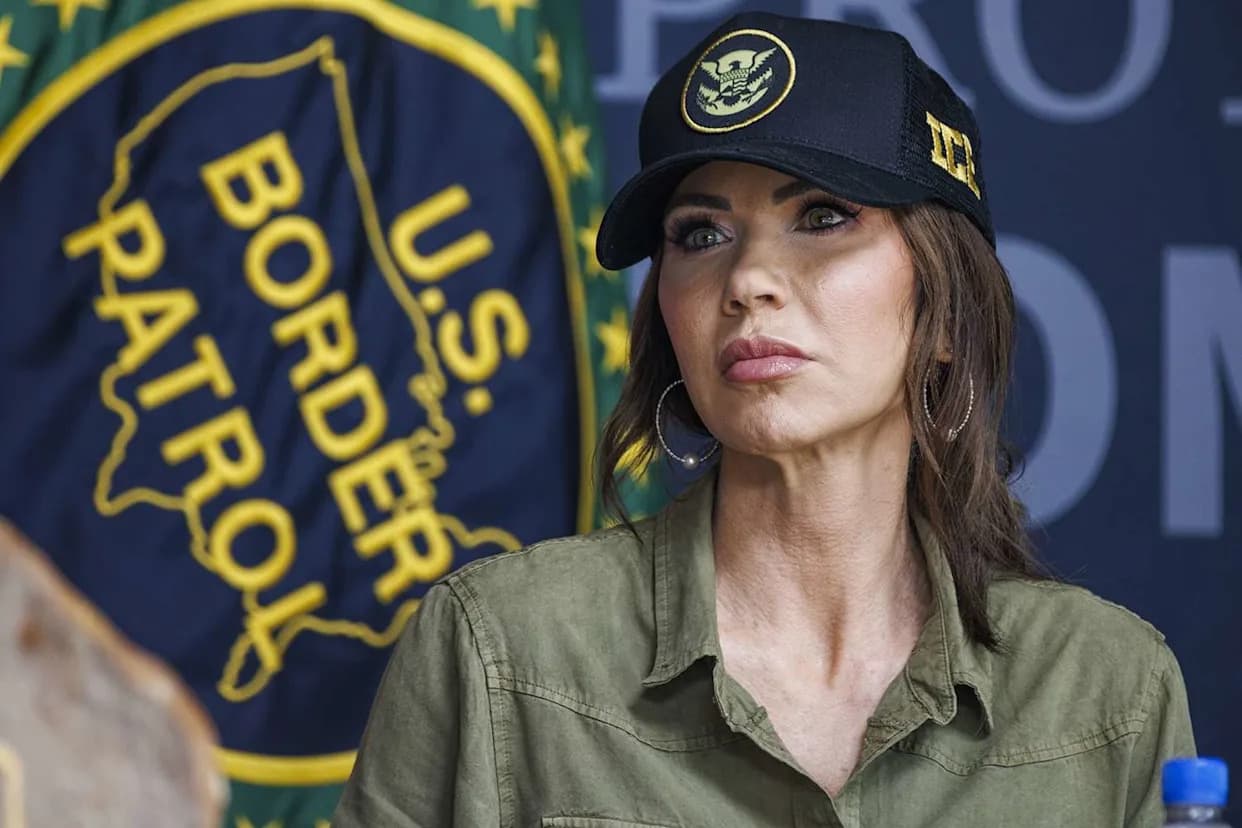
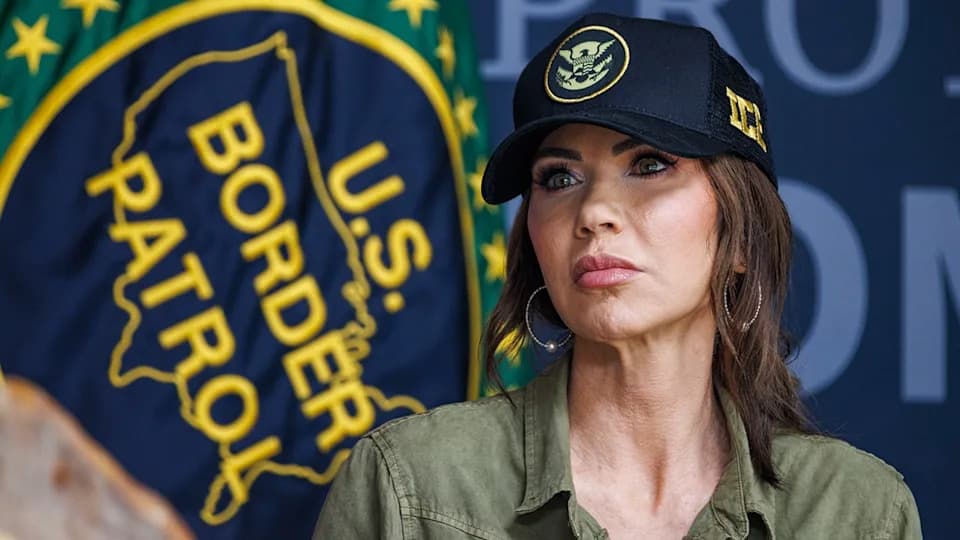
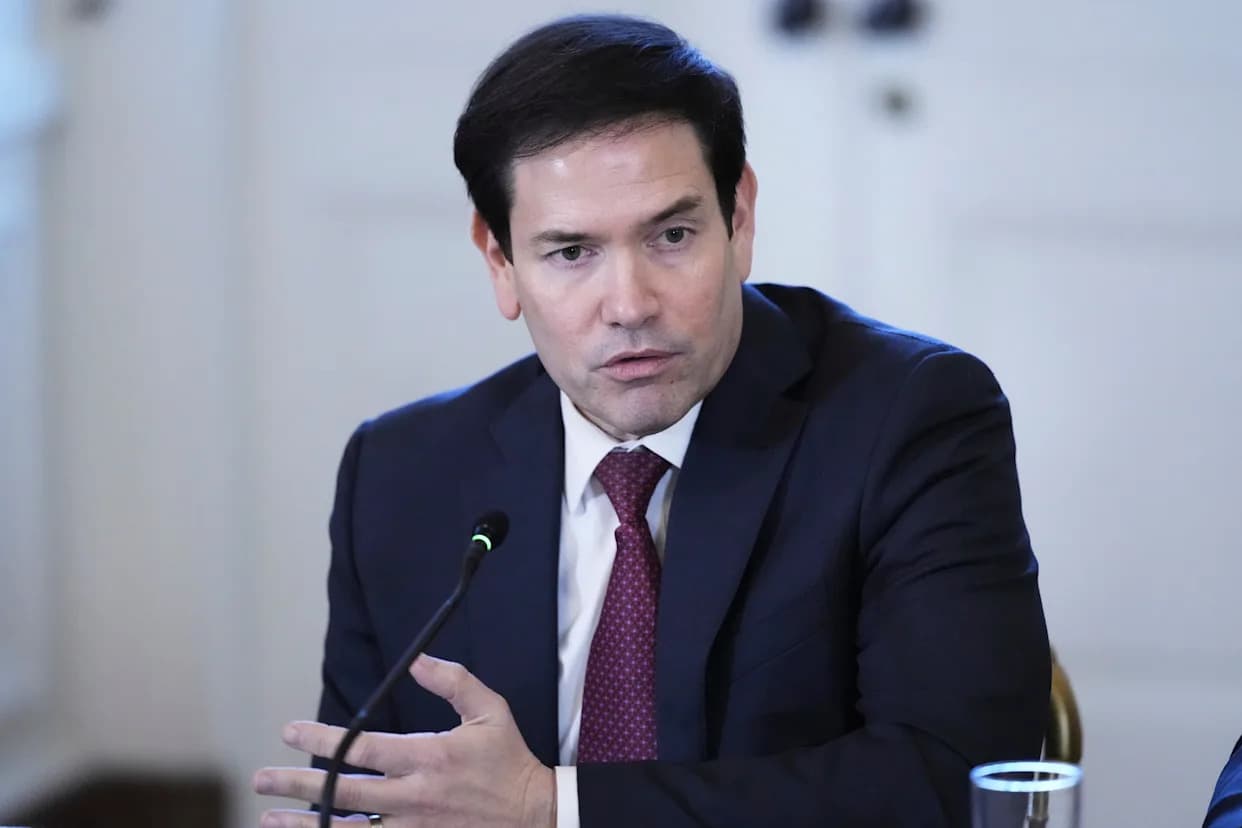
The Justice Department on Tuesday identified Kristi Noem as the Trump-era official it says directed that a federal judge's order be ignored in a case involving deportations under the Alien Enemies Act. The order at issue had instructed authorities to halt the deportation of alleged Venezuelan gang members to El Salvador.
DOJ's filing raises immediate legal and political questions about compliance with court orders and the chain of command that led to the contested deportations. At the heart of the matter are whether officials deliberately disobeyed a direct judicial order and what consequences, civil or criminal, might follow for those involved.
Joe Scarborough: "You can't simply ignore a judge's orders." He warned the development could carry serious ramifications, both legally and politically, if the allegations prove accurate.
Legal experts say potential outcomes could include contempt proceedings, investigations into whether executive officials obstructed the judicial process, and a closer review of internal decision-making during the Trump administration. Politically, the revelation is likely to intensify scrutiny of officials named in the filing and could become a focal point in debates over executive authority and accountability.
At present, the DOJ filing identifies the official by name; any formal charges or further legal steps would depend on additional findings and the results of follow-up inquiries. Observers say the episode underscores the broader tension between judicial orders and executive discretion that can surface in immigration and national-security cases.
Help us improve.