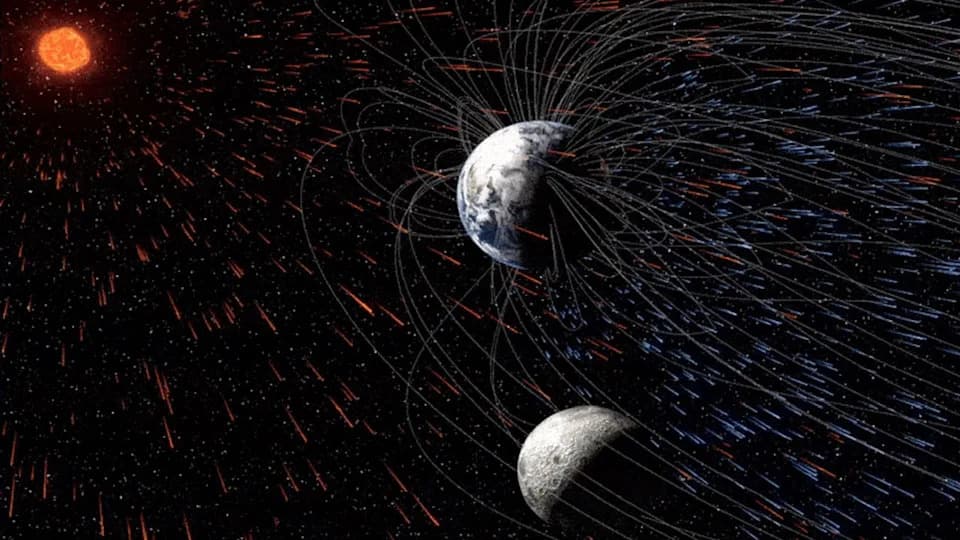
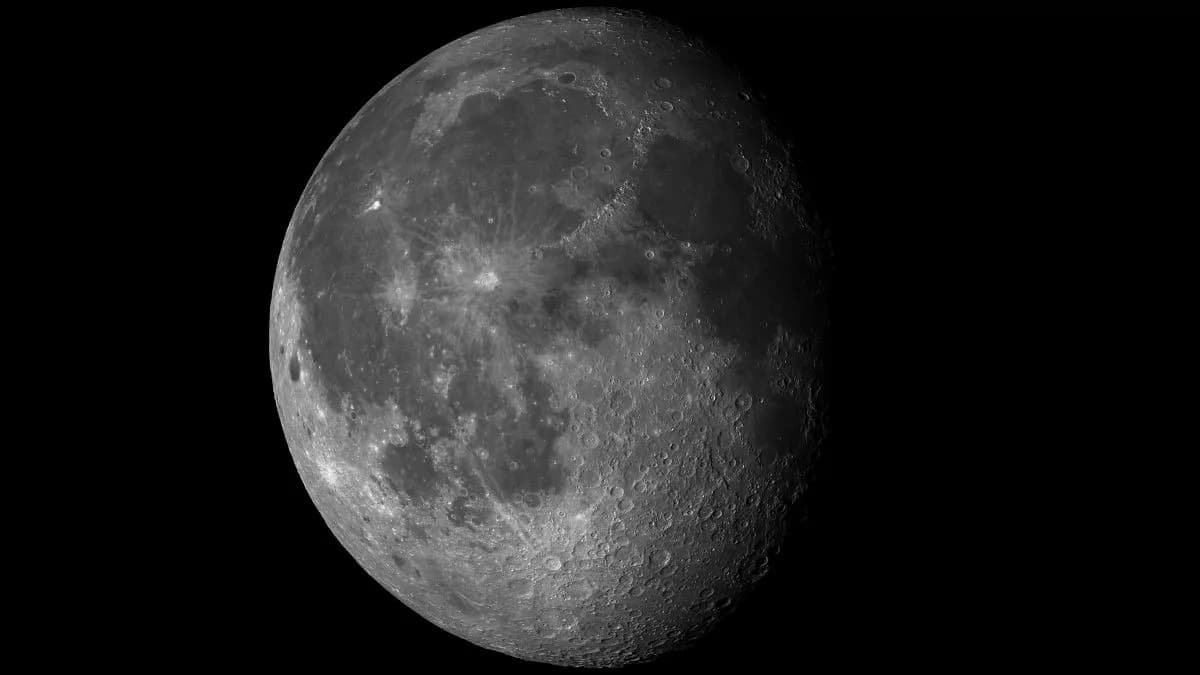
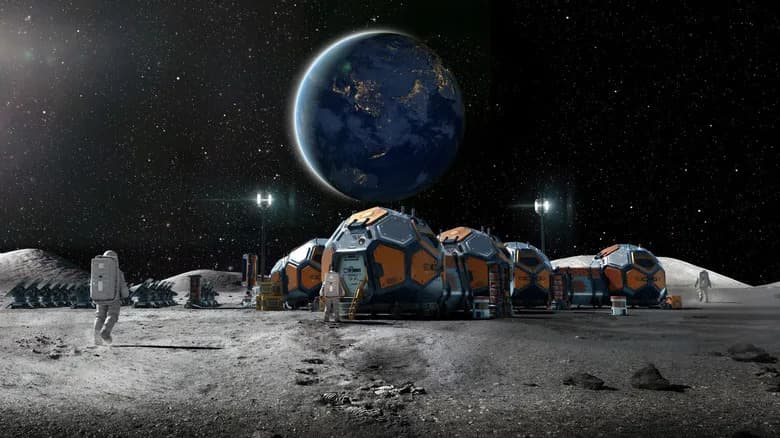
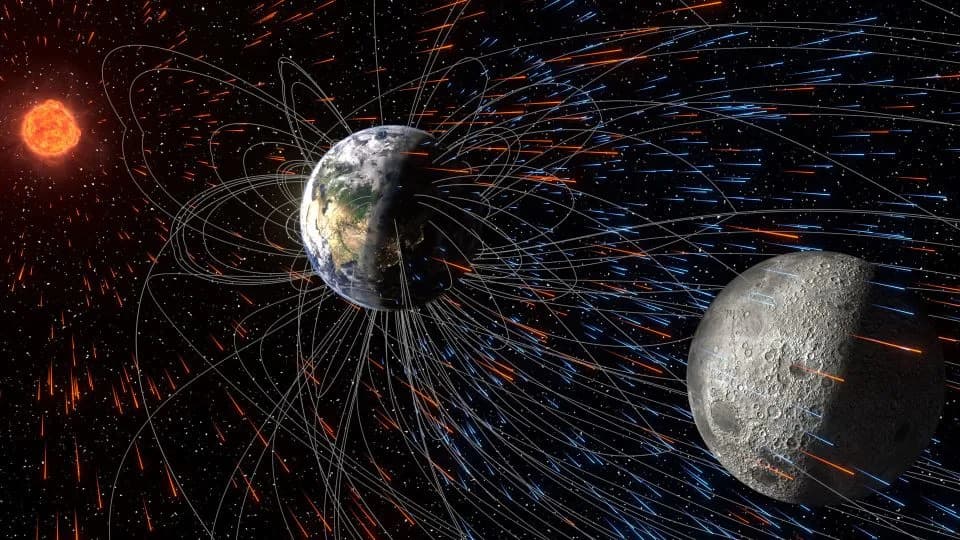
Reanalysis of a preserved Apollo 17 sample reveals troilite grains with an extreme depletion in sulfur-33, a sulfur isotope signature unlike any previously seen on the Moon or Earth. The anomaly could result from photochemical processing in a thin primordial lunar atmosphere when a global magma ocean existed, or it could be inherited material from Theia, the Mars-sized impactor linked to the Moon’s formation. Either explanation points to previously unrecognized exchange or heterogeneity in the Moon’s early history and will require more samples to resolve.
Locked for 50 Years: Apollo 17 Sample Reveals Bizarre 4.5-Billion-Year Sulfur Signature

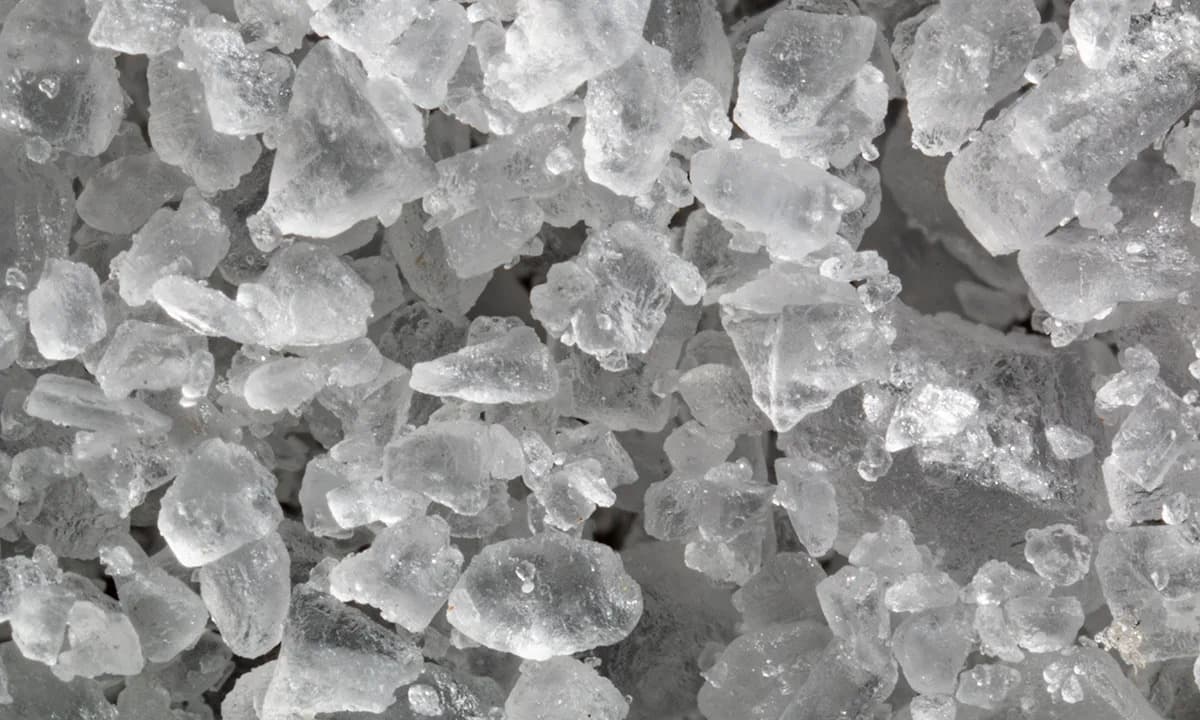
A small lunar specimen sealed since the 1970s has produced a surprising discovery: microscopic grains of troilite (iron sulfide) that preserve an extreme depletion in the isotope sulfur-33, a signature unlike any previously measured in Moon rocks or on Earth.
Scientists reanalyzed specks of troilite dust returned by Apollo 17 in 1972 from drive tube 73001/2 using high-precision mass spectrometry. Their goal was to trace the origin and history of sulfur in the sample, because sulfur isotopes can act as a sensitive fingerprint of formation conditions and chemical processing.
Some grains in the sample showed the expected isotopic pattern consistent with volcanic degassing, including modest enrichment in sulfur-33. Unexpectedly, other grains from the same material were strongly depleted in sulfur-33 — a pattern never before observed in lunar samples. Lead investigator James Dottin of Brown University said the team rechecked the data carefully and confirmed the surprising result.
"Before this, it was thought that the lunar mantle had the same sulfur isotope composition as Earth," Dottin said. "I expected to see that, but we observed values unlike anything found on Earth."
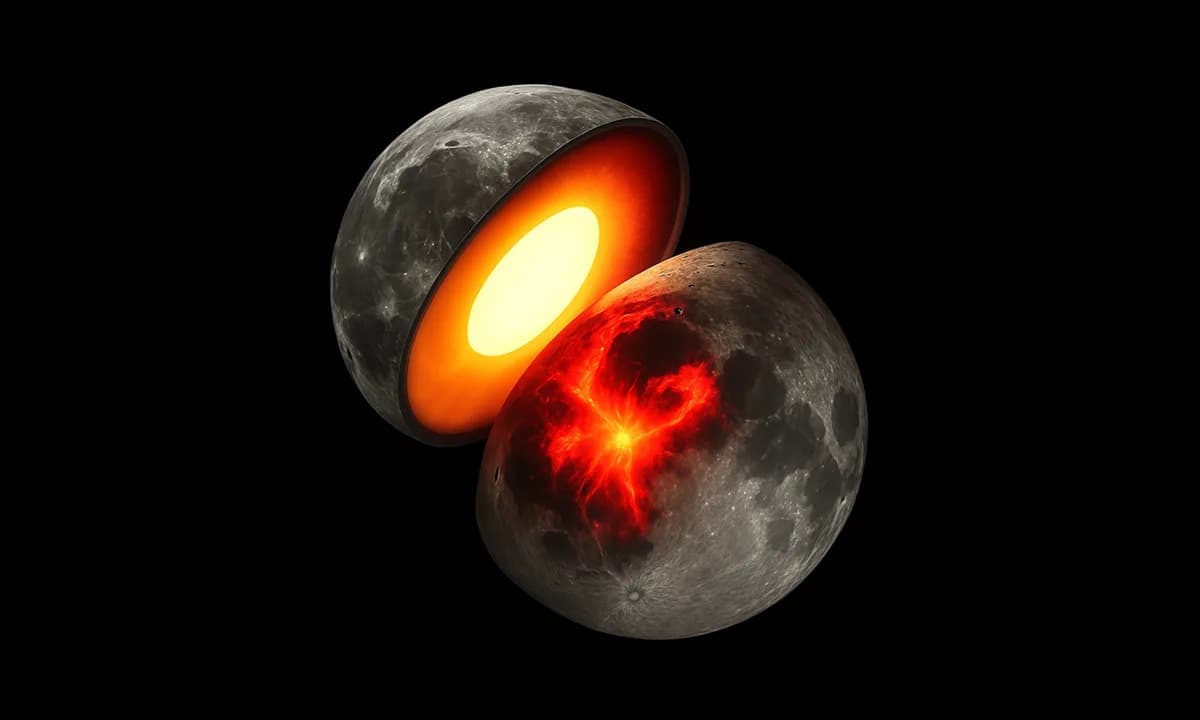
There are only a few plausible ways to produce the sulfur-33 depletion. One explanation is photochemical processing in a thin, ultraviolet-irradiated atmosphere: during an early epoch when the Moon likely possessed a global magma ocean and a transient atmosphere, light-driven chemistry could preferentially remove sulfur-33 from the surface reservoir, leaving the remaining condensed material depleted in that isotope.
A second, more provocative possibility is that the anomalous sulfur was inherited from Theia, the Mars-sized body thought to have collided with the young Earth and produced the Moon. If fragments of Theia survived in material that accreted into the Moon, they might preserve a distinct isotopic signature not present in Earth-derived material.
Either scenario has important implications. Photochemical alteration would imply an unexpected pathway for surface-to-interior exchange on the early Moon — a mechanism different from Earth's plate tectonics that could redistribute surface-processed material into the lunar mantle. An inherited Theia component would argue for heterogeneity in the Moon’s building blocks rather than a uniformly mixed impact-derived mantle.
It’s important to emphasize that this result comes from a single, long-sealed sample. Resolving whether the sulfur anomaly formed on the Moon or arrived with Theia will require additional samples and comparative isotope studies from other lunar sites and possibly from meteorites or planetary material. The findings are published in JGR Planets.
Why it matters: these tiny troilite grains may carry one of the oldest chemical clues to processes that shaped the early Solar System — either recording a fleeting primordial lunar atmosphere or preserving remnants of a planetary collision that helped form the Moon.
Help us improve.