The Trump administration’s "America First Global Health Strategy" shifts US health aid from multilateral partners and implementing organizations to bilateral five-year compacts with recipient countries, aiming to promote national ownership and reduce US spending. Officials plan to complete most compacts by December 31 and have highlighted pilots in Kenya, Zambia and Nigeria and an up-to-$150M drone delivery initiative in Africa. Experts warn the rapid transition, narrow disease focus, long data-sharing requirements and prior aid cuts risk undermining fragile health systems and leaving gaps in services such as immunization and reproductive care.
Experts Warn ‘America First’ Global Health Strategy Could Undermine Fragile Systems

US unveils 'America First' Global Health Strategy
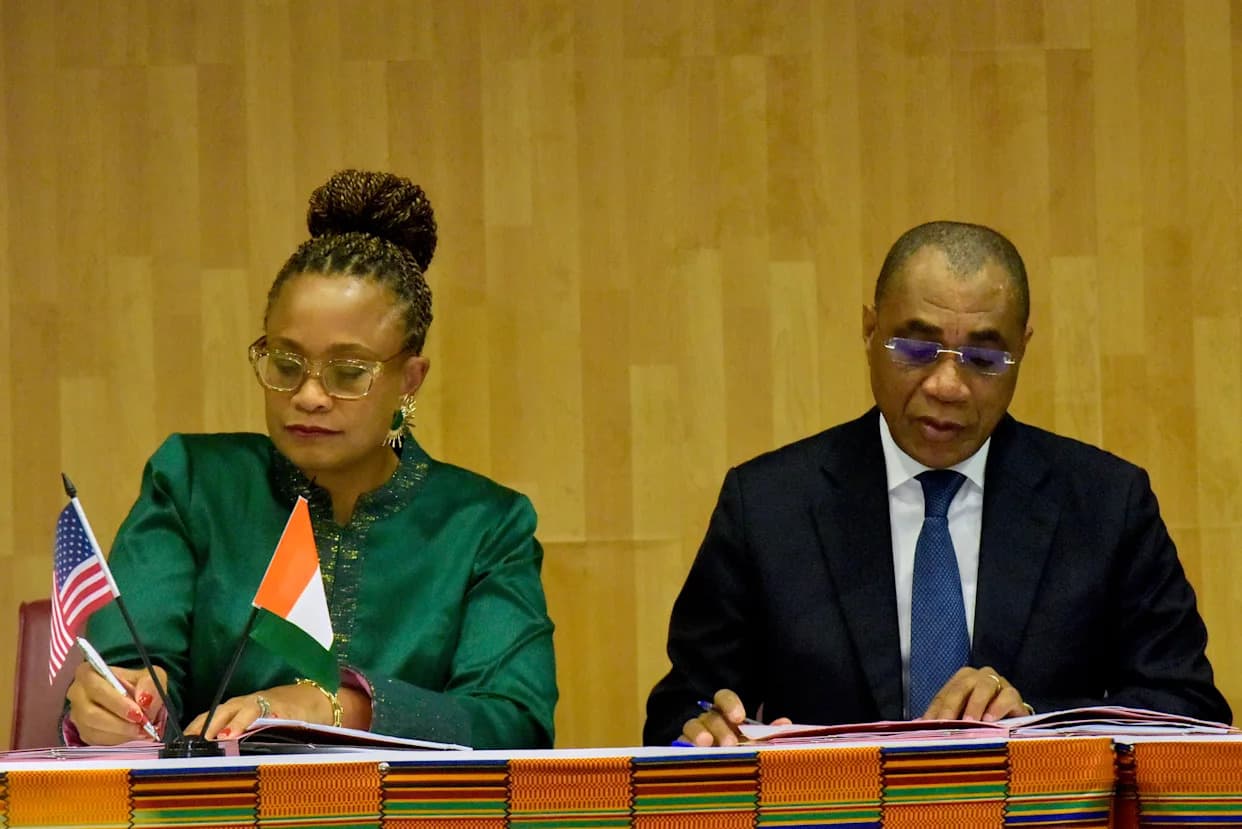
The Trump administration has introduced an "America First Global Health Strategy" that redirects US health assistance away from multilateral partners and large implementing organizations toward bilateral compacts negotiated one-on-one with recipient countries. Officials say the plan aims to strengthen national health systems and reduce long-term US spending; they also aim to finalize most compacts by December 31 and have cited pilot programs in Kenya, Zambia and Nigeria.
What the strategy changes
Under the new approach, much of the United States’ health aid would be provided through five-year bilateral agreements rather than routed through traditional international partners and nonprofit implementing organizations. The administration has said some globally managed programs — particularly in epidemic response and global health security — will continue, and that partnerships with organizations such as the Global Fund will remain part of the mix.
Part of the administration’s rationale is that past aid was sometimes duplicative or inefficient, with high overhead for program management and technical assistance. Officials have criticized elevated administrative costs at some implementing partners and said the new contracts will be structured more like private-sector agreements to incentivize reforms and deepen economic ties with US businesses. A recent announcement also pledged up to $150 million to a US drone company to expand delivery of blood and medicines in five African countries, underscoring the policy’s commercial dimension.
Expert concerns and risks
Global health experts, former agency officials, and aid workers warn the shift carries significant risks, especially for low-income and fragile countries. Critics point to the abrupt timing — following earlier, deep cuts to US foreign assistance that forced many health programs to scale back — and to the compressed timeline for negotiating dozens of complex compacts.
"A hospital is more than just a doctor and medications — a doctor needs training, there’s a medical school, and people who keep the hospital clean. All those costs, while they can get out of control, are legitimate," said a senior aid worker who has worked with implementing partners.
Rachel Bonnifield, director of the global health policy program at the Center for Global Development, acknowledged that promoting country ownership and reducing duplication are valid goals, but called the approach "high-risk." She said the strategy might be a feasible transition for relatively wealthier, more mature countries, but likely will not be viable in the short term for the poorest and most fragile states—especially after sudden program cuts.
"It would have been more responsible to phase this out collaboratively over several years," said Jeremy Konyndyk, president of Refugees International and a former USAID official. "This is just pushing Humpty Dumpty off the wall and leaving the country to pick up the pieces."
Other concerns include limited scope — the strategy concentrates on HIV/AIDS, malaria, tuberculosis and outbreak response — while topics such as immunization, reproductive health, maternal and child health, nutrition and neglected tropical diseases receive scant attention.
Data, accountability and timelines
Negotiators are reportedly asking partners to commit to long-term data-sharing provisions. One source said the standard compact requests epidemiological data transmission for up to 25 years, a provision that has prompted objections from aid officials worried about how that data might be used and whether benefits would flow back to the populations that supplied it.
Critics also question whether recipient governments have the capacity, accountability mechanisms, or political willingness to manage large new funding streams without leaving gaps "to the last mile" — the poorest and most vulnerable communities often reached by NGOs or private providers. Some aid workers fear countries with limited fiscal space will accept agreements they cannot sustain simply to keep services running.
The State Department has said safeguards are built into the compacts to prevent misuse and that country officials visited so far have indicated they can make the transition work. Negotiation teams reportedly visited 20 countries recently and engaged in another 50. Officials also say some compacts may include longer-term elements — for example, extended data-sharing windows — while most agreements will be five years in length.
What to watch
- Which countries finalize compacts and how the deals are structured in practice.
- How the plan addresses services not emphasized in the strategy, such as immunization, reproductive health, and nutrition.
- What accountability, anti-corruption and monitoring mechanisms are put in place to protect vulnerable populations.
- Whether data-sharing provisions include protections for national interests, patient privacy, and equitable benefits.
The strategy represents a significant shift in US foreign health assistance. Supporters say it encourages national ownership and streamlines aid; critics say the combination of rapid timeline, previous funding cuts and a narrow program focus could leave fragile systems and vulnerable populations worse off.
Help us improve.