Semafor’s experts say Donald Trump’s second term reshaped U.S.–Africa relations in 2025, marked by USAID’s closure, tariff shifts, and diplomatic clashes with South Africa and Nigeria. For 2026, analysts expect deeper engagement where critical minerals intersect with AI, and sustained efforts to lower Africa’s cost of capital through regional cooperation and new investors. Experts also warn that contradictory U.S. policies may erode investor confidence and that U.S. peace interventions will likely be tactical rather than structural.
US–Africa Outlook 2026: Critical Minerals, AI, and the New Geopolitics of Trump’s Second Term
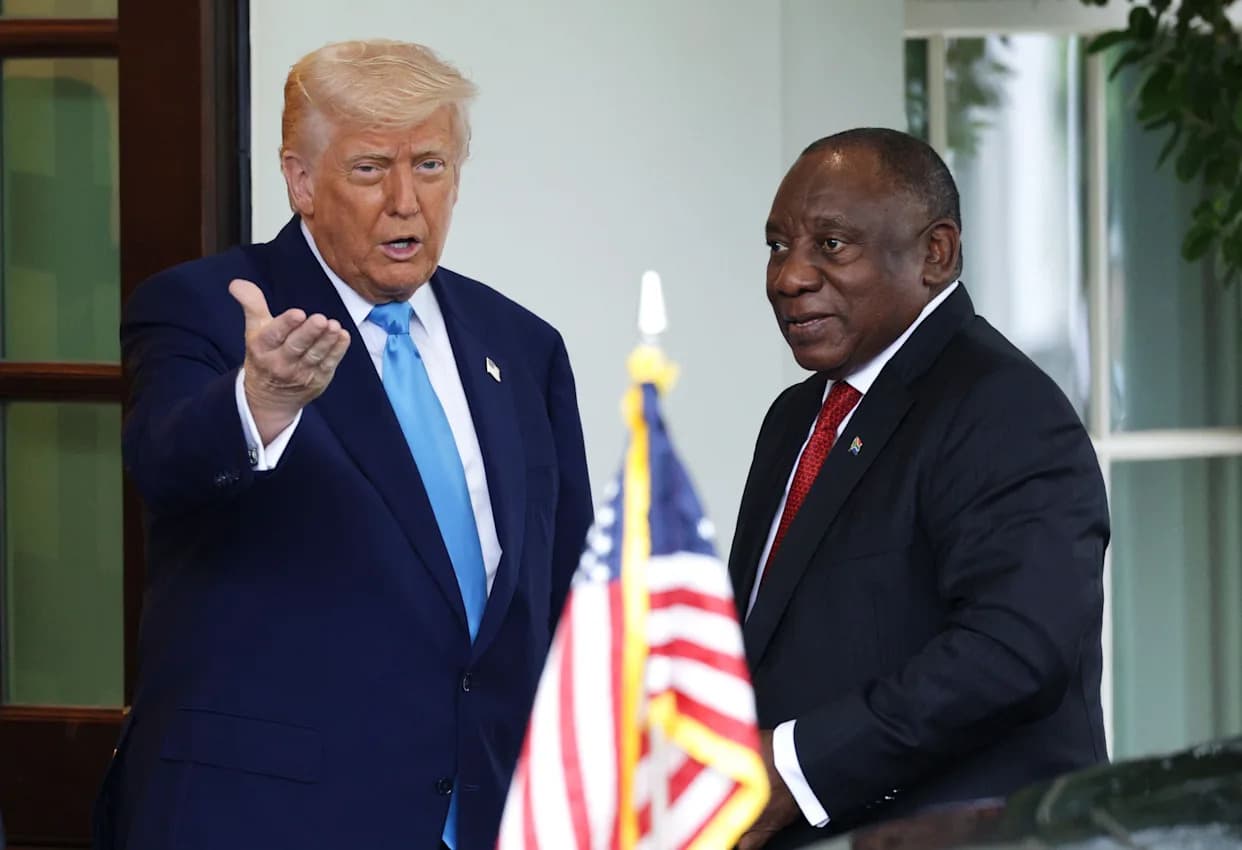
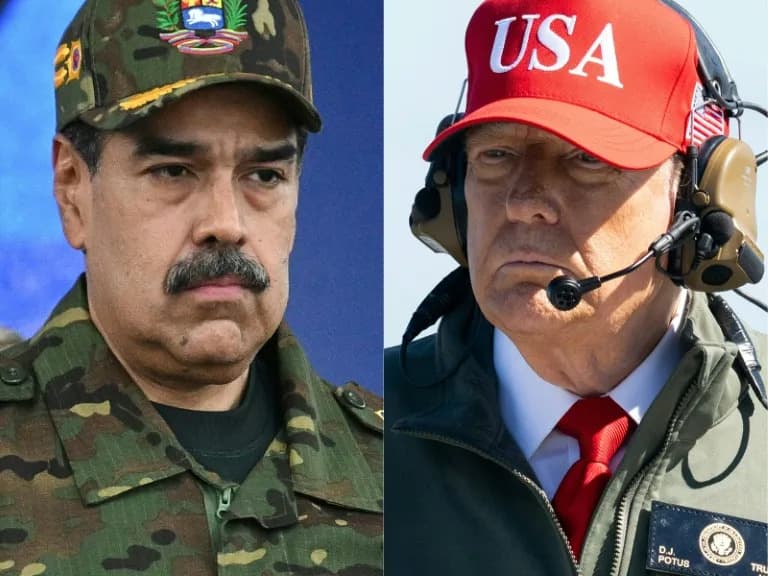
Donald Trump’s second term reshaped Washington’s approach to Africa in 2025. The closure of USAID, disruptive tariff moves, and diplomatic ruptures with key partners such as South Africa and Nigeria made the year unusually turbulent for many longstanding US allies and trading partners across the continent.
Semafor consulted a range of experts to forecast how US–Africa relations could evolve in 2026. Their predictions span strategic resource politics, finance and capital, foreign-policy coherence, peace initiatives, and the growing intersection of critical minerals and artificial intelligence.
1. On Critical Minerals and Artificial Intelligence
Experts expect deeper U.S. engagement with African countries where critical minerals and AI intersect. U.S. competitiveness and national security increasingly depend on secure, ethical, and diversified supply chains for minerals used in batteries, semiconductors, and data-center hardware. African states will be urged to move beyond raw extraction toward bankable, value-added industries, while investing in resilience and local innovation to claim a stronger seat in global technology governance.
2. On the Cost of Capital
Reducing borrowing costs across Africa is likely to be a major focus for governments and regional financial institutions. Although the African Union and South Africa may struggle to use the G20 under a U.S.-led presidency to press the issue, expect intensified pressure on the IMF and credit-rating agencies for fairer, region-specific assessments. The emergence of an African credit-ratings agency, greater cooperation among regional banks, and new capital inflows from BRICS and Gulf states could lower lending costs and broaden financing options.
3. On U.S. Foreign-Policy Contradictions
Analysts warn of damaging whiplash from contradictory U.S. policy signals. Sustained pressure campaigns aimed at Africa’s two largest economies—South Africa and Nigeria—could weaken investor confidence and slow private-sector-led development. The likely consequence: African governments will increasingly rely on regional capital, institutions, and political coordination to sustain development goals previously supported by Western partners.
4. On U.S.-Led Peace Efforts
U.S. interventions to stabilize conflict zones may be tactical and pragmatic rather than structural. President Trump may deploy development assistance selectively to tamp down or delay violence in countries such as Sudan, Ethiopia, and Egypt. These moves could reduce immediate risks but are unlikely to resolve the deep-rooted drivers of instability without sustained, long-term engagement.
5. On Advancing AI in Africa
Many AI initiatives in Africa will be pursued from an industrialization perspective: expanding telecom networks, building AI-focused data centers, and commissioning feasibility studies that explore how mineral reserves could support local semiconductor and GPU supply chains. The emphasis will be on building foundational infrastructure and translating resource wealth into technological capacity, though the jump from feasibility to competitive local manufacturing will require substantial investment and policy coordination.
Bottom line: 2026 is likely to deepen strategic competition around resources and technology, push regional finance and institutions to step up, and show that short-term, tactical interventions will not replace long-term development strategies.
Help us improve.