Ben Lamm and Colossal Biosciences have turned de‑extinction from a headline concept into a funded scientific program, raising over $500 million to develop tools such as synthetic wombs and advanced gene editing. Framing mammoth reintroduction as part of Arctic restoration, the company argues its work could help slow permafrost thaw and drive broader ecological repair. Lamm says AI and emerging technologies like quantum computing will accelerate synthetic biology, while critics warn the approach could distract from conserving existing endangered species.
Ben Lamm: AI-Driven Synthetic Biology Could ‘Change Everything’ — Inside Colossal Biosciences’ Ambitious De‑extinction Plan

Ben Lamm, founder and CEO of Colossal Biosciences, has pushed a bold vision that places synthetic biology at the center of climate action and ecological restoration. What once sounded like science fiction — bringing extinct species back into the modern world — has evolved into a multi‑faceted scientific program backed by significant private investment and new laboratory advances.
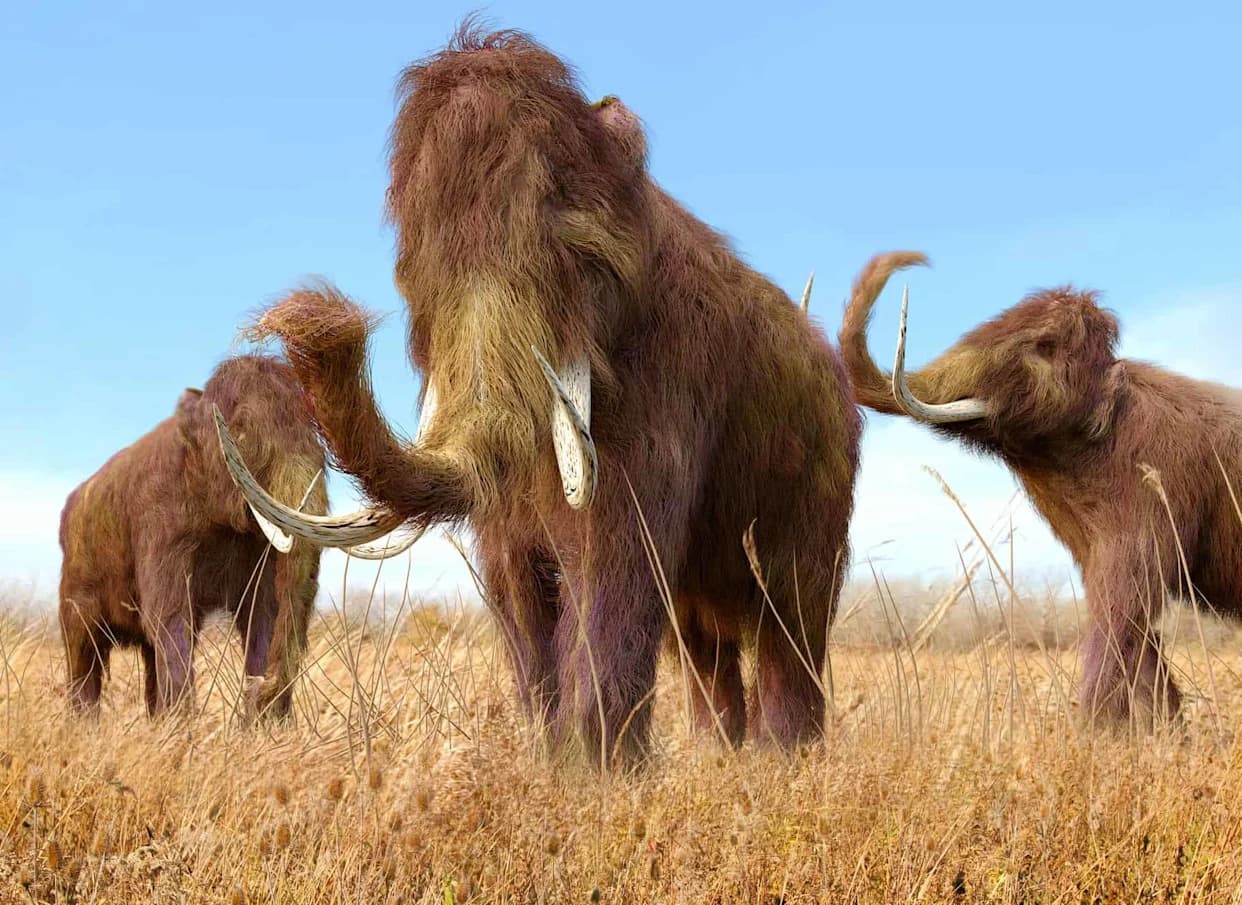
Colossal began by pursuing formal "de‑extinction" projects, most notably efforts aimed at recreating traits of the woolly mammoth and other Ice Age species. Early demonstrations and prototypes captured public attention, but the company says its work goes far beyond spectacle. By combining computation, advanced gene editing and new reproductive technologies, Colossal aims to translate high‑risk research into broadly useful biological tools.
Backed by more than $500 million in funding, the company has shifted from headline-making ideas to building foundational capabilities. Researchers have focused on synthetic womb development, next-generation gene-editing techniques, and methods for ecological reconstruction — advances that could be applied across conservation, agriculture and human health.
A climate and ecosystem rationale: Colossal frames the mammoth initiative as part of a larger strategy to restore Arctic grasslands and slow permafrost thaw — an approach inspired by concepts such as Pleistocene Park. In this view, reintroducing large herbivores or their functional analogs could help reshape landscapes and influence carbon dynamics at scale.
Leadership and strategy: Lamm has brought a Silicon Valley mindset to synthetic biology: move quickly, scale promising approaches, and attract top talent and partners. He emphasizes the synergy between computational tools — including AI and advanced modeling — and laboratory science as a force-multiplier for accelerating discovery.
“I think AI, access to things like quantum, are just going to make everything that we’re working on go faster,” Lamm said. “Synthetic biology, powered with deep computational biology and AI modeling, will allow us to build everything from how you bring back mammoths to how you clean up the oceans with plastic.”
Controversy and context: The vision is polarizing. Critics warn that de‑extinction risks diverting attention and resources from protecting endangered species that need immediate help. Others call the idea more symbolic than pragmatic. Lamm counters that high‑risk research can produce widely applicable biological breakthroughs and that Colossal’s work is intended to complement, not replace, traditional conservation efforts.
Outlook: Looking ahead, Lamm predicts rapid progress as AI, computational biology and emerging technologies converge. He says the company is expanding its scientific teams, deepening partnerships with governments and conservation organizations, and preparing for a period of intensified research and international collaboration.
Whether or not de‑extinction becomes a practical conservation tool, Colossal’s approach is accelerating conversations about how synthetic biology might be harnessed to restore ecosystems, remediate pollution and reimagine stewardship of the natural world.
Help us improve.