Excavations at Zorita de los Canes castle uncovered a middle-aged man with an unusually long, narrow skull and evidence of battlefield trauma. Examination showed three cranial sutures had fused prematurely, a condition called craniosynostosis that may reflect Crouzon syndrome. The man, estimated to be in his mid- to late 40s, displayed signs of an active life; genetic testing would be needed to confirm the diagnosis.
Medieval Spanish Knight’s Unusually Elongated Skull May Reflect Rare Genetic Disorder

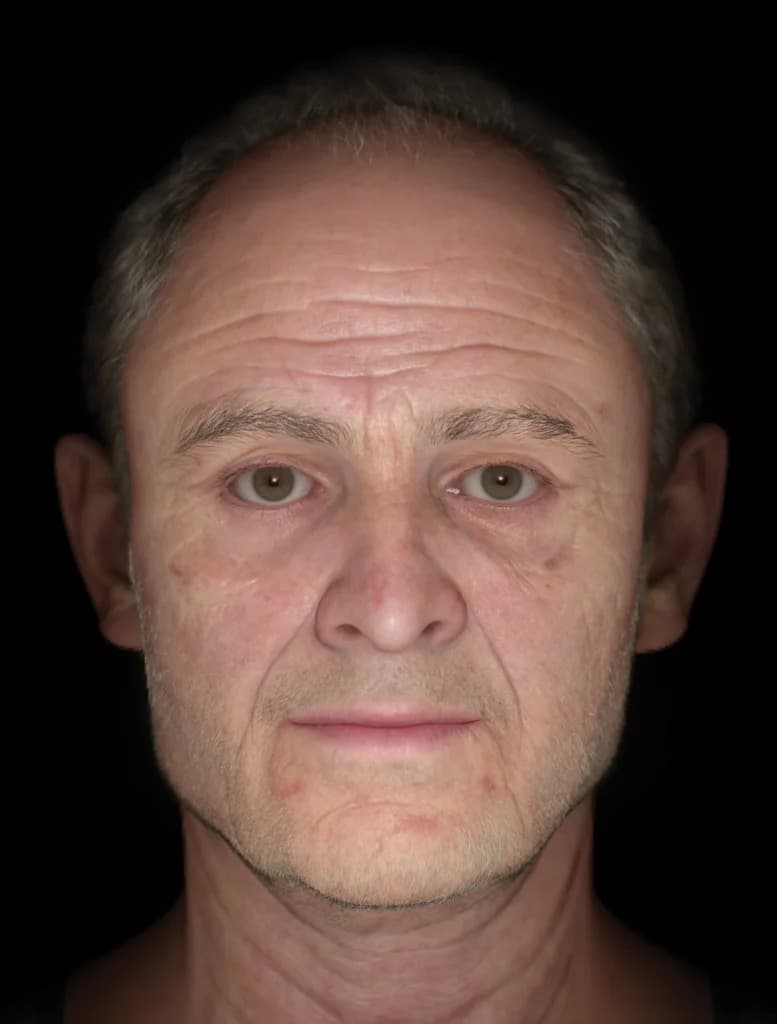
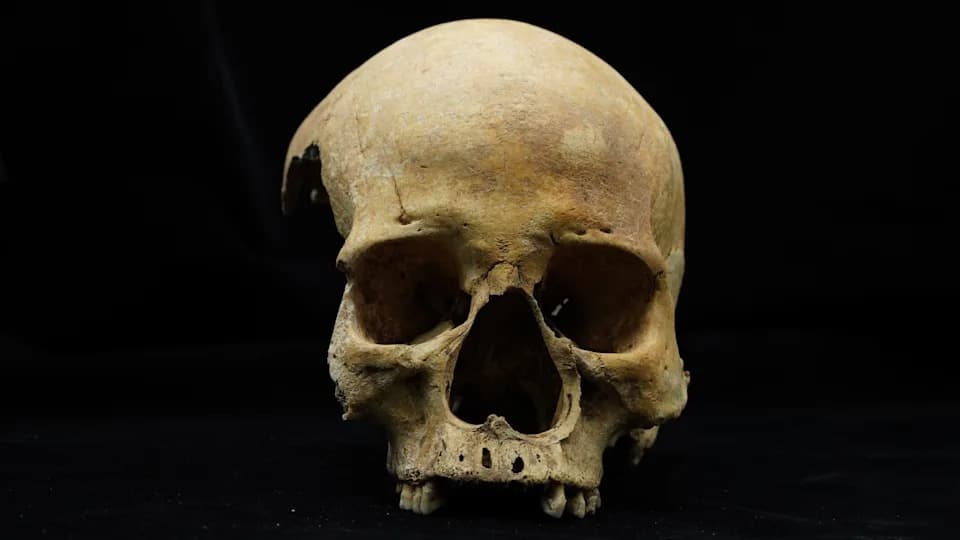
Archaeologists excavating a medieval cemetery at Zorita de los Canes castle in central Spain uncovered the skeleton of a middle-aged man whose injuries suggest he died in combat. Two stab wounds to the skull and a crushed knee point to battlefield trauma, but researchers were most struck by the skull's unusually long, narrow shape.
What the bones reveal
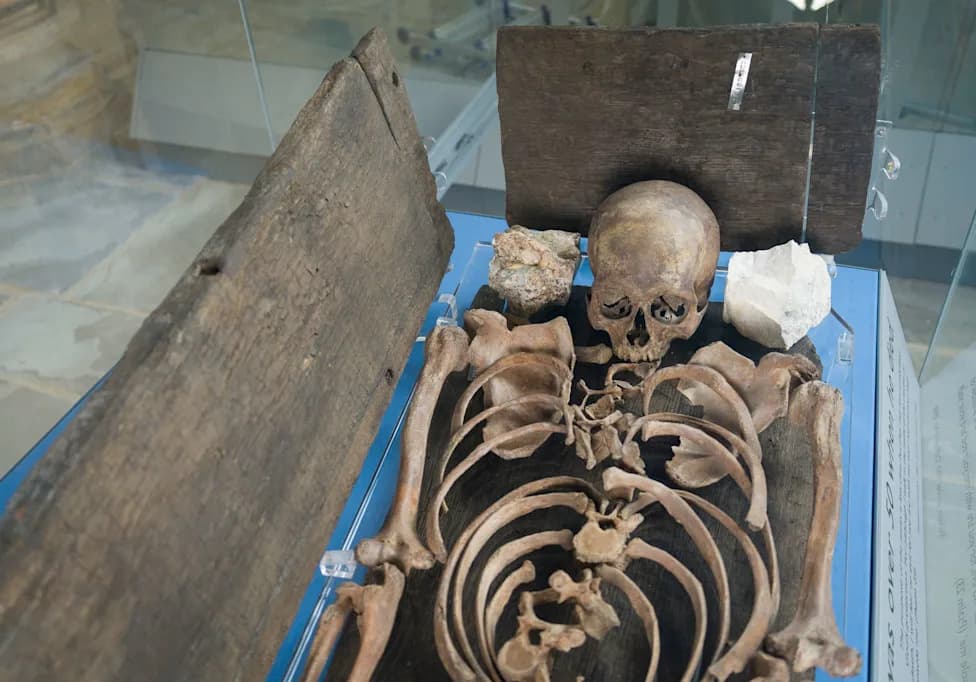
The remains were recovered from graves at the castle — occupied by the military-monastic Order of Calatrava from the 13th to 15th centuries — during excavations carried out between 2014 and 2019. The man had been buried in a wooden coffin that largely disintegrated over time, and many of his bones had decayed. Osteological analysis indicates he was in his mid-to-late 40s at death and displayed muscle attachment markers consistent with an active, physically demanding life.
Detailed examination of the skull showed that three cranial sutures — the fibrous joints between skull plates — had fused prematurely. This condition, known as craniosynostosis, can deform the skull and, depending on severity, restrict skull and brain growth. Modern medicine can often treat such cases surgically, but no effective interventions were available in medieval Europe.
Possible genetic diagnosis
The researchers suggest the pattern of multi-suture fusion is consistent with Crouzon syndrome, a genetic disorder that can produce a long, narrow skull along with wide-set, bulging eyes, a small jaw, and hearing loss. Craniosynostosis affects roughly one in 2,500 people worldwide, and many cases are linked to identifiable mutations. Importantly, most individuals with Crouzon syndrome retain normal cognitive abilities.
"I was very surprised. I had never seen a skull like this before, especially not one belonging to a knight," said Carme Rissech, a biological anthropologist at the University of Rovira i Virgili, who co-authored the study published Oct. 3 in the journal Heritage.
Because the deformity appears confined to the skull while the rest of his skeleton shows no comparable anomalies, the team favors Crouzon syndrome as the most likely explanation. However, the researchers emphasize that genetic testing of preserved tissue or DNA would be required to confirm the diagnosis definitively. The individual's survival into his 40s without surgical intervention is especially notable given the potential complications associated with multi-suture craniosynostosis.
Whether he served formally as a knight of the Order of Calatrava or as a warrior of another status, his bones document an active life and a violent death consistent with battle. The combination of a rare cranial condition and battlefield injuries makes this case a remarkable find for both archaeology and paleopathology.
Help us improve.