Archaeologists at Tanis recovered 225 shabti figurines inscribed with King Shoshenq III’s name from inside Osorkon II’s tomb, found beside an unmarked sarcophagus. The cache was discovered by an Egyptian–French team during conservation work and suggests a possible reburial of Shoshenq III within his predecessor’s 22nd Dynasty complex. The tomb and sarcophagus were first recorded in 1939, but the shabtis were identified only in the current project. Inscriptions from the chamber are under study to determine the sequence and purpose of the deposit.
225 Shabtis Suggest Shoshenq III May Have Been Reburied in Osorkon II’s Tomb at Tanis

Archaeologists working at the Tanis necropolis have uncovered 225 inscribed shabti funerary figurines bearing the name of King Shoshenq III inside the tomb of Osorkon II, a discovery that strengthens the case for two royal burials in a single chamber.
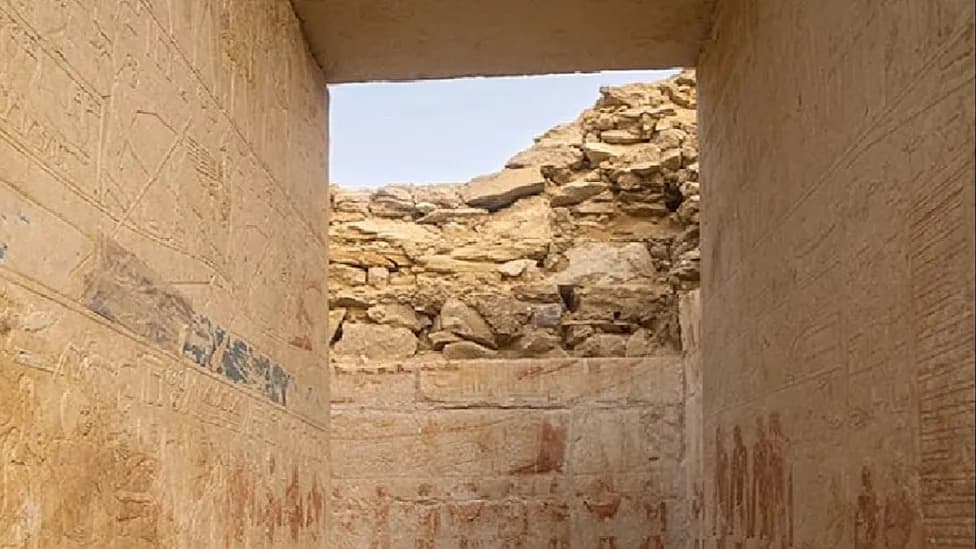
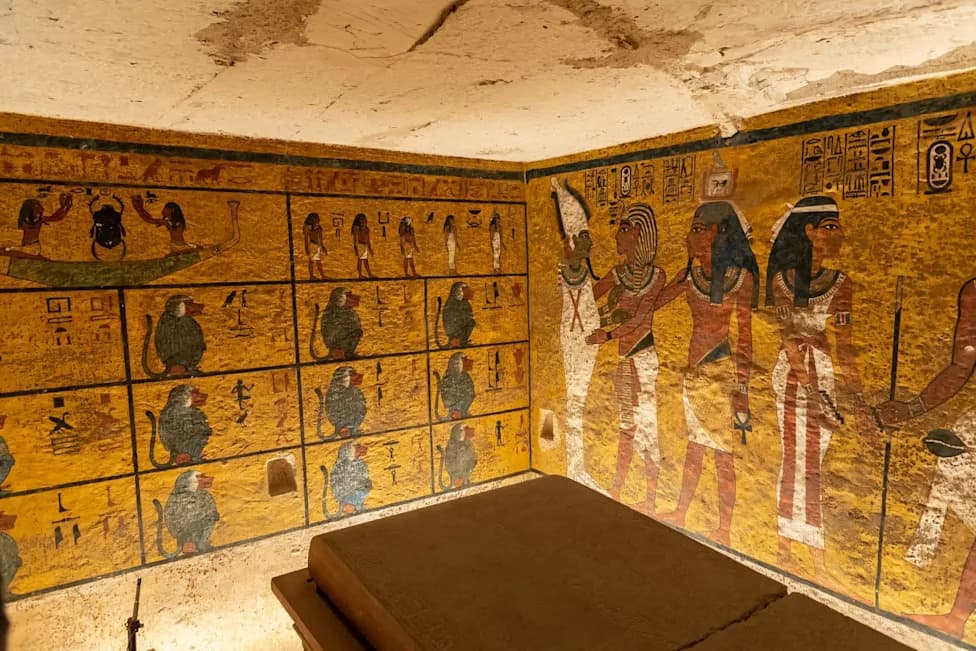
An Egyptian–French team, the Egyptian Ministry of Tourism and Antiquities reported, found the cache of shabtis placed beside an unmarked sarcophagus within Osorkon II’s burial complex during conservation work led by a French mission. Each small statuette is engraved with Shoshenq III’s name, suggesting that the king may have been reinterred in his predecessor’s tomb during the 22nd Dynasty.
What was discovered
The 225 shabtis — figurines traditionally placed in tombs to perform tasks for the deceased in the afterlife — were located adjacent to an anonymous wooden or stone coffin that had been recorded earlier but left uninscribed. While the tomb and its sarcophagus were first documented in 1939, the shabtis themselves were identified only during the recent conservation project. Newly recorded inscriptions from the chamber are currently being studied to clarify the sequence of events.
Why this matters
Shoshenq III ruled during a period of political fragmentation in Egypt when reuse of burial spaces became more common. Specialists propose several explanations: his original tomb may have been disturbed or looted, his burial goods displaced, or a later ruler could have appropriated his tomb, prompting a reburial inside Osorkon II’s mortuary complex. Such reburials into earlier royal monuments are documented elsewhere in Egypt; authorities earlier this year reported a later-period interment added to an older royal complex at Abydos.
Further epigraphic study of the chamber’s inscriptions and materials will be needed to confirm whether the shabtis represent a full royal reburial, a secondary offering, or another funerary practice. For now, the find adds an important piece to the picture of 22nd Dynasty funerary customs and the complex history of royal burial reuse at Tanis.
Help us improve.