Khartoum's National Museum, largely emptied and damaged during fighting in April 2023, has been digitally reconstructed and published online after months of work by SFDAS with support from the Louvre and Durham University. Researchers rebuilt a catalogue from partial lists, studies and excavation photos, and a computer model now recreates the museum's architecture and displays. More than 1,000 objects from the Kingdom of Kush are available to view; the famous 'Gold Room' will be uploaded by the end of 2026. The digital catalogue is also intended to help Interpol and other agencies track and recover looted artefacts.
Virtual Museum Revives Khartoum's Looted Treasures After Devastating Raid
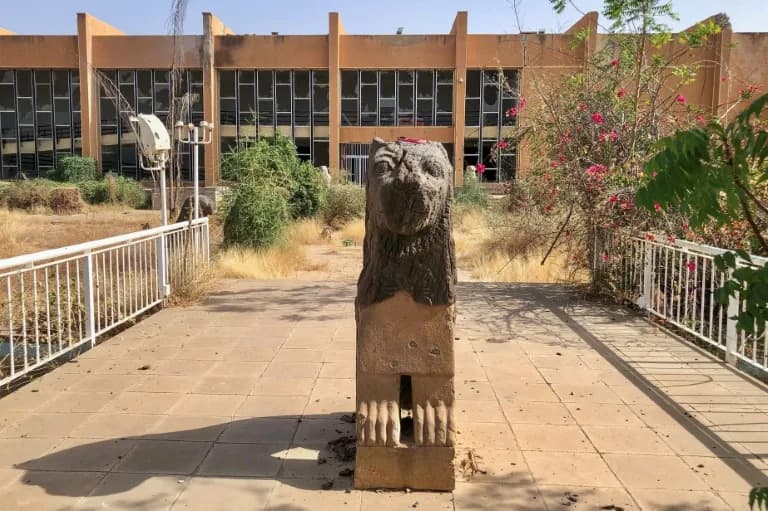
Sudan's national museum was plundered by looters at the start of the war in 2023 (-)(-/AFP/AFP)
Destroyed and ransacked during the opening months of Sudan's conflict, Khartoum's National Museum has been recreated online after months of meticulous digital reconstruction. The virtual project aims to preserve a record of the museum's collections and help curb the illicit trade in Sudanese antiquities.
Digital Resurrection of a Vanished Collection
The French Archaeological Unit for Sudanese Antiquities (SFDAS), with support from the Louvre and Durham University, unveiled a virtual version of the museum that went live on January 1. The initiative recreates the look and feel of the galleries using original plans, archival photographs and a newly compiled catalogue of holdings.
‘The virtual museum is the only viable option to ensure continuity,’ said Ikhlass Abdel Latif, a government antiquities official, at the project's presentation.
What Was Lost — And What Remains
On site, almost none of the roughly 100,000 artefacts stored in the museum since its 1950s opening remain. Only objects too heavy for looters to remove — notably the massive granite statue of the Kushite pharaoh Taharqa and frescoes relocated from temples during the Aswan Dam project — are still in place. Satellite images taken after fighting erupted in April 2023 showed trucks loaded with relics moving toward Darfur, now under the control of the Rapid Support Forces (RSF).
Rebuilding a Catalogue From Fragments
SFDAS researcher Faiza Drici spent more than a year reconstructing the museum catalogue in a database, working from partial official lists, academic studies and photographs from excavation missions. Graphic designer Marcel Perrin translated that database into a computer model to reproduce the museum's architecture, lighting and display layouts, producing an online experience that mimics walking through the original galleries.
What Visitors Can See
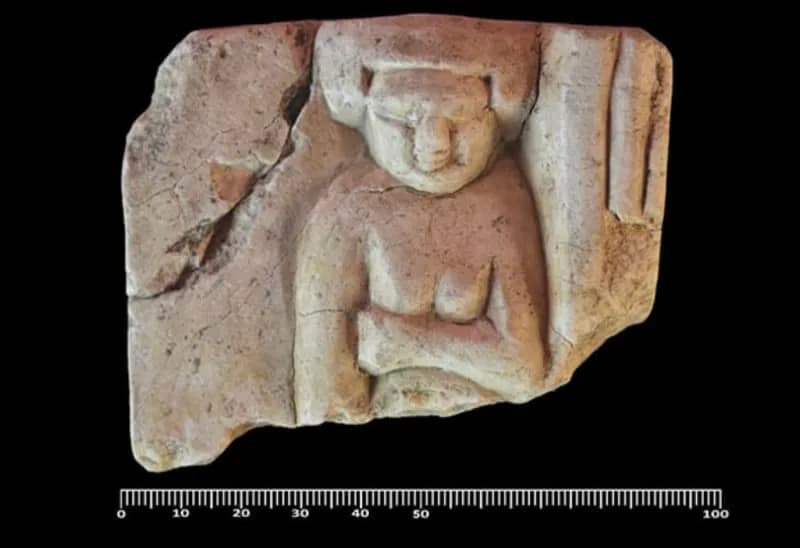
The virtual museum currently presents more than 1,000 objects inherited from the ancient Kingdom of Kush and other Sudanese cultures. The project team says the much-loved 'Gold Room' — which housed solid-gold royal jewellery, figurines and ceremonial objects stolen during the looting — will be uploaded as a digital recreation by the end of 2026.
Beyond Preservation: A Tool Against Trafficking
Beyond its documentary and educational value, the SFDAS-rebuilt catalogue is designed to bolster Interpol and international efforts to identify and recover trafficked artefacts. Recovery attempts so far have yielded only limited results, underscoring the importance of a public, detailed record.
Context: A Broader Humanitarian Crisis
The cultural losses come amid a wider humanitarian catastrophe in Sudan. The war has killed tens of thousands and displaced more than 11 million people, many of whom now live in underdeveloped areas with scarce food, shelter and medicine.
The virtual museum does not replace the physical collections, but it creates a durable record of Sudan's heritage and a practical resource for researchers, law enforcement and the public while efforts continue to recover stolen pieces and rebuild cultural institutions.
Help us improve.