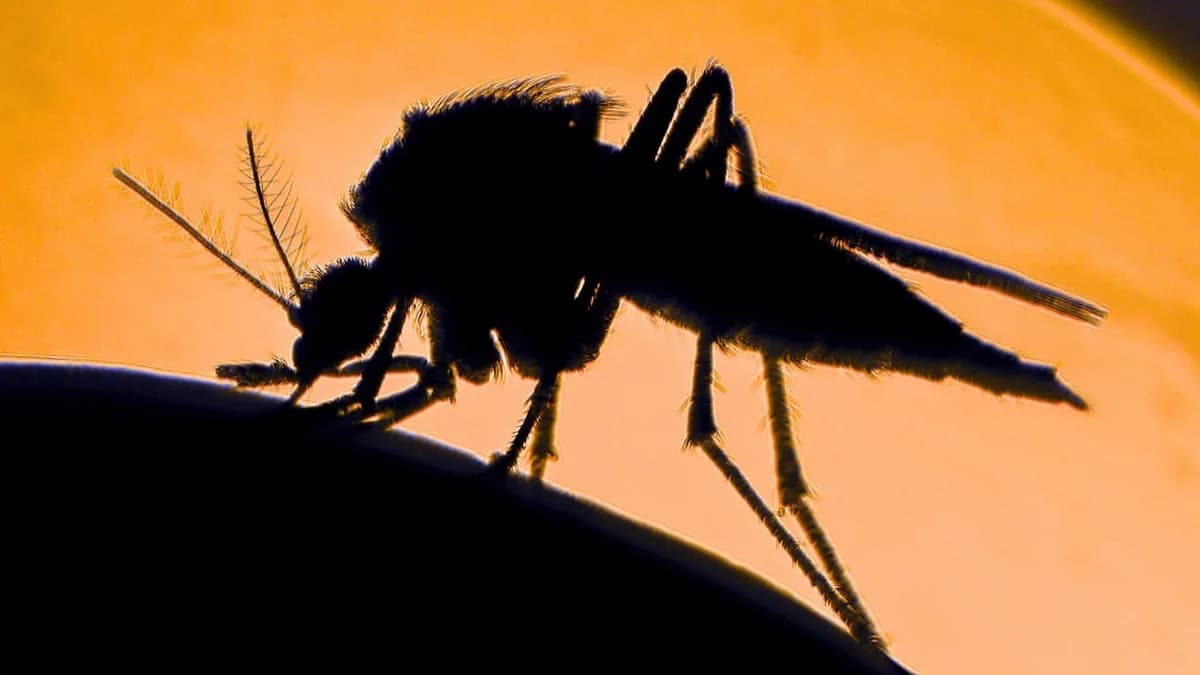
Researchers at the Science University of Malaysia found that the tropical bed bug Cimex hemipterus can retain human DNA from a blood meal for up to 45 days. STR and SNP analysis of DNA recovered from the insects allowed basic phenotypic profiling, including gender and eye, hair and skin colour. Because bed bugs stay near where they feed, they may help investigators recover evidence when visible traces have been wiped away. The method is limited to a roughly 45-day window and requires bed bugs to be present at the scene.
Bed Bugs as Crime-Scene Detectives: Malaysian Study Shows Human DNA Persists for 45 Days

Under bright laboratory lights in northern Penang, a research assistant carefully places a mesh-topped container of bed bugs on his forearm to let the insects feed — all in the name of forensic science. Once dismissed as merely itchy household nuisances, tropical bed bugs are being studied for a surprising new role: preserving human DNA that can help investigators identify suspects.
Researchers at the Science University of Malaysia (USM) found that the tropical species Cimex hemipterus can retain human DNA from a blood meal for up to 45 days. DNA extracted from the insects allowed recovery of Short Tandem Repeat (STR) and Single Nucleotide Polymorphism (SNP) markers used in human profiling, enabling basic phenotypic inference such as gender, eye colour, hair colour and skin tone.
How the study was done
Entomologist Abdul Hafiz Ab Majid and postdoctoral researcher Lim Li reared bed bugs in controlled lab conditions to mimic their natural hiding places: small containers wrapped in black plastic, with folded paper for climbing and a steady temperature of 23–24°C. At each feeding the insects ingested between 1.5 and 5.3 microlitres of blood — less than a single droplet — yet enough to yield human DNA for analysis.
"We call bed bugs the 'musuh dalam selimut' (Malay for 'the enemy in the blanket')," said Abdul Hafiz Ab Majid. "They can also be spies to help solve crimes."
Why bed bugs can be useful evidence
Unlike mosquitoes, bed bugs cannot fly and become engorged and relatively immobile after feeding. The researchers observed that a fed bed bug typically remains within about six metres (20 feet) of its feeding site, increasing the likelihood that DNA recovered from the insect points back to the location where the blood was taken. That makes bed bugs particularly valuable at scenes where visible traces of blood or bodily fluids have been wiped away.
Limitations and safety
The technique has clear limits. Bed bugs provide a useful evidentiary window of roughly 45 days after feeding and only if the insects are present at the scene. They are not a magic solution for older cases or crime scenes without infestations. The researchers note that while bed bug bites can cause itchy rashes, the insects are not established vectors of human disease.
The team published their findings in the journal Scientific Reports in a paper titled "Human profiling from STR and SNP analysis of tropical bed bug, Cimex hemipterus." The researchers caution that forensic use of insects should complement — not replace — other investigative methods, and that strict protocols are needed for collecting and analysing insect-derived evidence.
Help us improve.