Federal surveillance tools and interagency information-sharing are increasingly used to flag drivers for pretextual traffic stops, as illustrated by Alek Schott’s 2022 encounter near San Antonio. Despite dashcam footage showing no lane drift, Schott was detained, a drug-sniffing dog was called, and his truck was searched for over an hour with no contraband found. Records show CBP, DEA and local programs draw on towers, drones, thermal cameras and private license-plate readers to monitor movements and pass tips to local police. A lawsuit by the Institute for Justice argues the practice violates Fourth Amendment protections and chills travel for many who lack resources to fight back.
Surveillance Dragnet Is Driving a Surge in Pretextual Traffic Stops

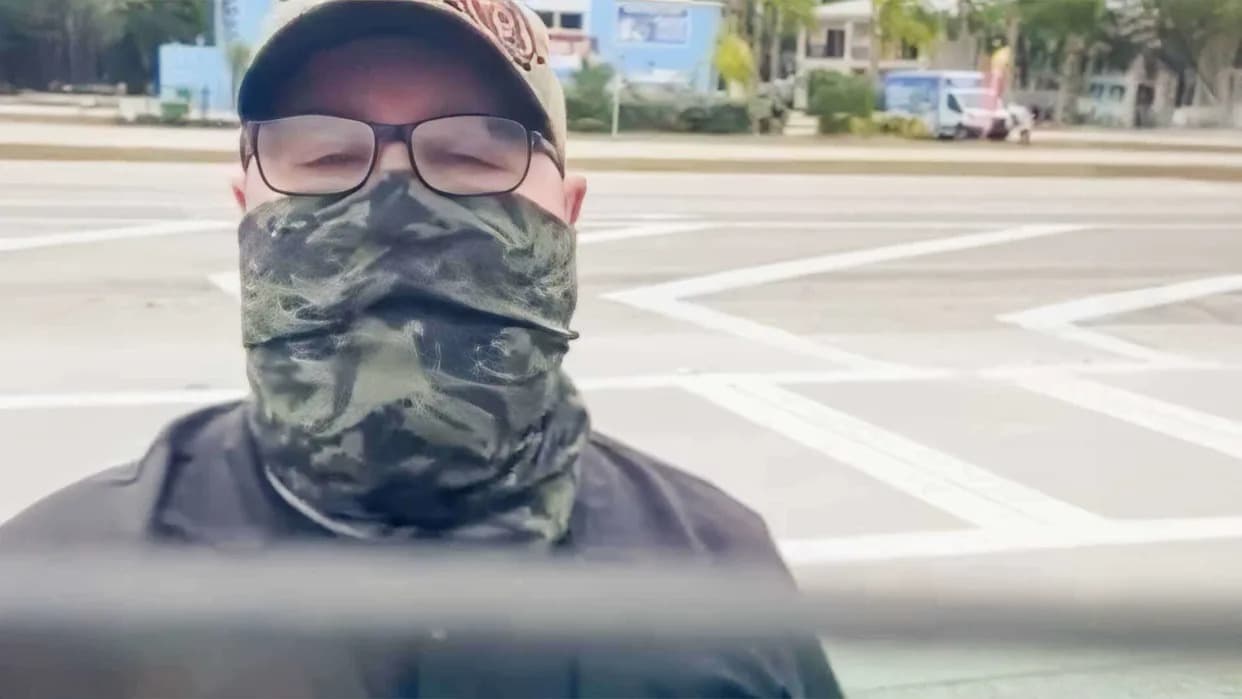
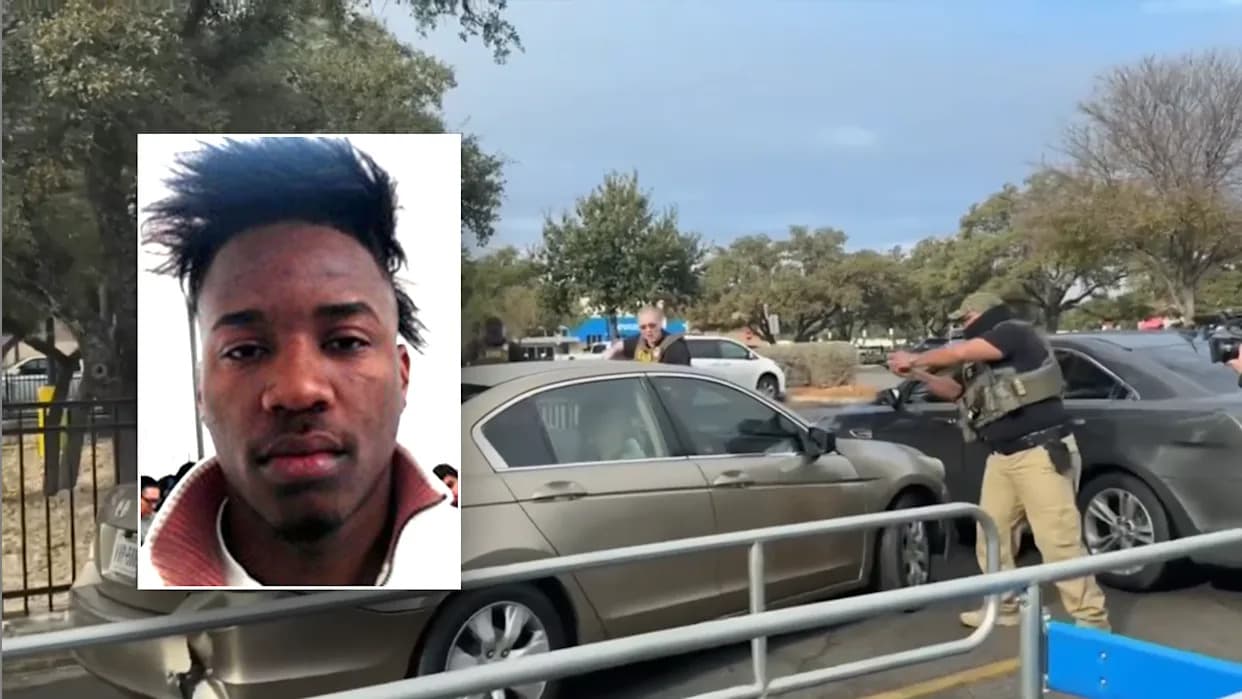
Alek Schott was pulled over near San Antonio after a deputy cited an alleged lane drift. Dashcam video later showed he had not drifted, yet Schott was questioned for about 10 minutes before officers summoned a drug-sniffing dog. After the dog allegedly indicated the presence of drugs, police kept Schott at the roadside for more than an hour while they searched his truck and found nothing.
From data to detention
What began as a routine traffic stop in 2022 illustrates a larger pattern: law enforcement increasingly uses broad travel data and interagency intelligence to flag drivers for minor traffic infractions that become pretexts for deeper searches. Records and court testimony show that federal agents had tracked Schott’s overnight trip to Carrizo Springs, Texas, his hotel stay near the U.S.–Mexico border, and a meeting with another person before a business engagement. That information was shared with local deputies through a WhatsApp group called Northwest Highway, where state and federal officers exchange tips about allegedly suspicious vehicles.
How the surveillance network works
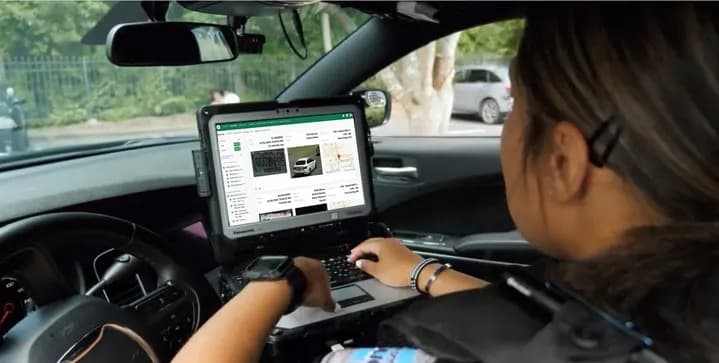
Federal and local agencies now draw on an extensive surveillance apparatus that can include disguised checkpoints, surveillance towers, Predator drones, thermal cameras and automated license-plate readers (ALPRs). This network combines ALPR systems run by U.S. Customs and Border Protection (CBP), the Drug Enforcement Administration (DEA), local police funded through programs such as Operation Stonegarden, and privately maintained services like Flock Safety, Rekor and Vigilant Solutions. Homeland Security agencies have also accessed private plate-reader data in prior enforcement campaigns.
From pattern detection to pretextual stops
Agents monitoring travel patterns may flag vehicles traveling “abnormal” routes. Rather than conducting the stop themselves, federal agents often notify local law enforcement, which then pulls drivers over for minor violations — a tactic sometimes called a "whisper," "intel," or "wall" stop. The underlying reason for the stop is frequently kept from the driver and, in some cases, from courts. Some encounters lead to arrests or civil asset seizures under forfeiture laws; many result in no evidence of wrongdoing.
“Nine times out of 10, this is what happens,” the deputy who stopped Schott said in court records, describing how searches often yield nothing.
Legal challenge and broader concerns
The Institute for Justice filed a lawsuit on Schott’s behalf alleging that Bexar County and the officers violated his Fourth Amendment rights against unreasonable searches and seizures. Christie Hebert, an attorney with the Institute for Justice, said what looked like a clear-cut unconstitutional traffic stop exposed "something much larger — a system of mass surveillance that threatens people's freedom of movement." Schott warned that many people lack the resources to challenge such stops and may simply accept the intrusion without redress.
The case highlights tensions between public-safety objectives and civil liberties: tools designed to detect criminal networks and dangerous activity can sweep up ordinary travelers, creating a chilling effect on free movement and raising questions about transparency, oversight and accountability.
Help us improve.