Hokkaido University researchers exposed spreading earthmoss (Physcomitrium patens) outside the ISS for 283 days; over 80% of spores survived and most could still germinate. Lab tests had shown the moss tolerates UV, extreme temperatures and vacuum, prompting the combined stress test in orbit. From experimental data the team estimates spores might endure roughly 15 years in space, a finding that could inform resilient biological systems for future Moon and Mars missions.
Tiny Moss Survives Nine Months Outside the ISS — May Withstand Years in Space

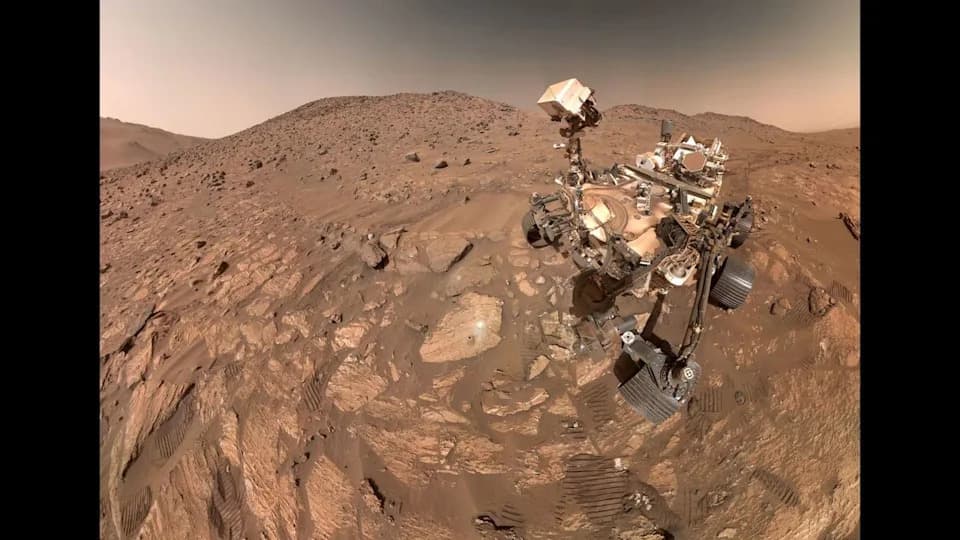
Researchers have found that a common moss species can survive prolonged direct exposure to the space environment: samples of spreading earthmoss (Physcomitrium patens) placed outside the International Space Station (ISS) endured 283 days in orbit and returned to Earth with most spores still viable.
Study and key findings
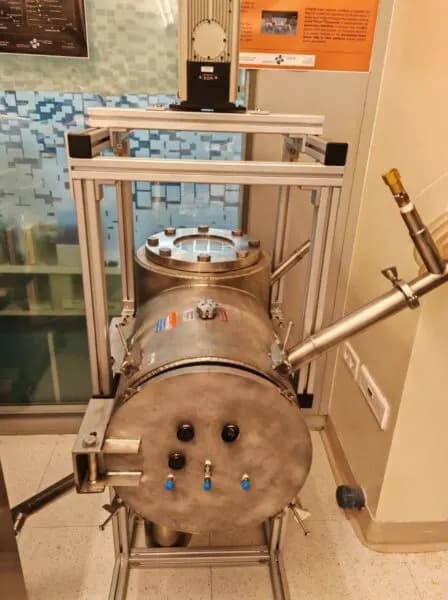
Team members at Hokkaido University first tested the moss in the lab, showing that it tolerates individual stresses such as intense ultraviolet radiation, extreme temperature swings and vacuum. To evaluate combined stresses plus microgravity, hundreds of moss sporophytes—the reproductive structures that enclose spores—were sent to the ISS in March 2022 and positioned outside the station by astronauts.
After 283 days of direct exposure, more than 80% of the spores survived, and the majority retained the ability to germinate once returned to Earth. Based on experimental measurements, the researchers estimate these spores could survive roughly 15 years under space conditions.
"We expected almost zero survival, but the result was the opposite: most of the spores survived," said Tomomichi Fujita of Hokkaido University, the study's lead author. "We were genuinely astonished by the extraordinary durability of these tiny plant cells."
Implications and caveats
The team suggests that such robustness could inform the design of biological systems for long-duration missions to the Moon or Mars, for example as a resilient component in regenerative life-support or agriculture research. However, survival of spores in space does not directly translate to established ecosystems or crop production—considerable additional research is needed to understand growth, nutrition cycles and planetary protection implications.
The findings were published in the journal iScience (Cell Press) in a paper titled "Extreme environmental tolerance and space survivability of the moss, Physcomitrium patens."
Help us improve.