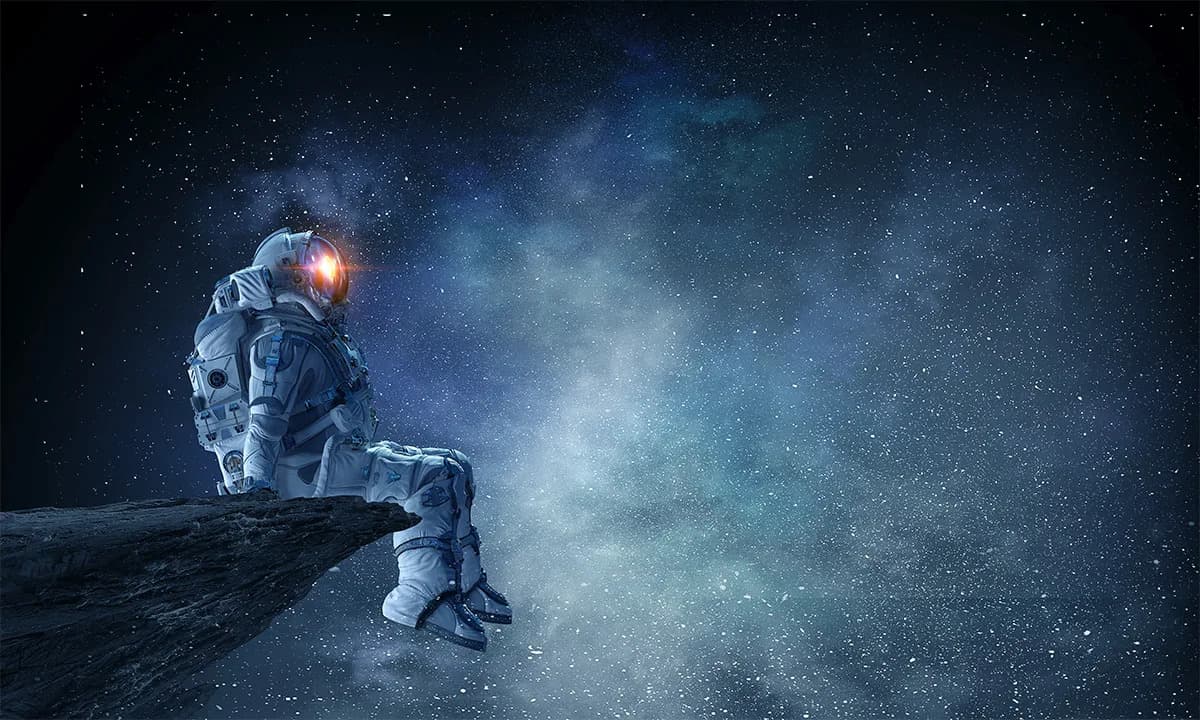
Space travel is evolving beyond exploration to offer everyday experiences: lunar habitats, orbital hotels, space agriculture, asteroid mining, and even concerts and sports in microgravity. NASA aims for a sustainable lunar presence by the late 2020s, and researchers such as Dr. Anna-Lisa Paul at the University of Florida have shown plants can adapt to space conditions. Agencies like the European Space Agency highlight manufacturing advantages in microgravity, while figures such as Chris Hadfield emphasize the profound perspective gained from spacewalks. These developments promise scientific advances, new industries and transformative personal experiences.
13 Things People Could Soon Do in Space

Exploring beyond Earth is no longer only about planetary landings or satellite launches. A growing array of opportunities could make many extraordinary space experiences attainable in the near future. Below are 13 things that ordinary people might soon be able to try as human activity in space expands.
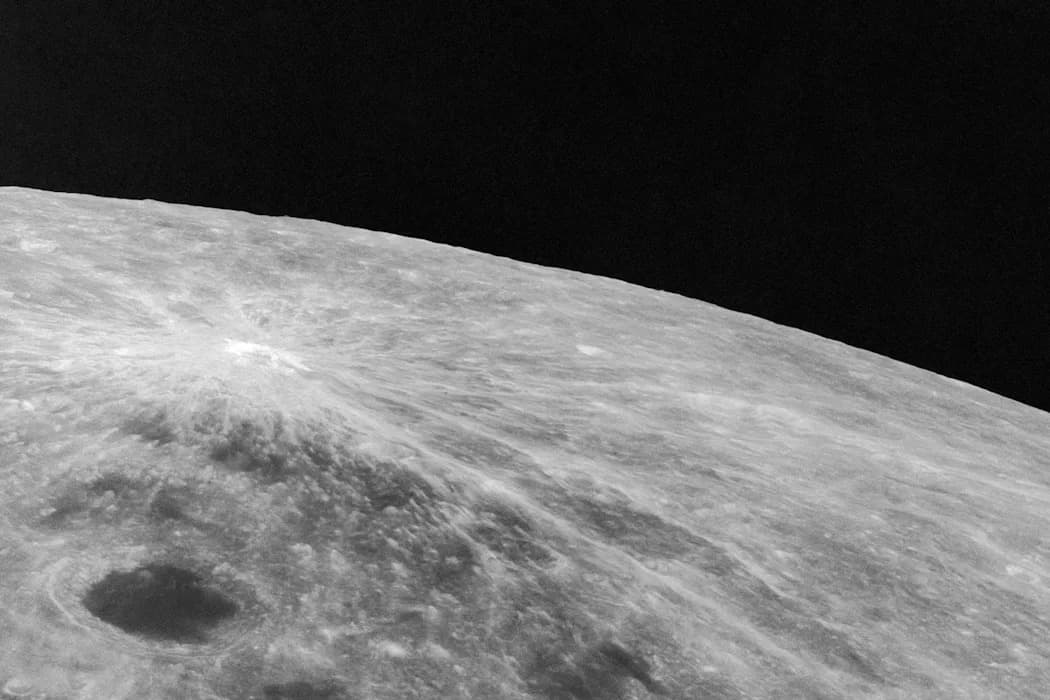
Picture looking out a window as the Sun lifts the globe into view. Plans for lunar bases are advancing, and agencies and private firms aim to establish longer-term human stays on the Moon. NASA has published plans to work toward a sustainable human presence on the lunar surface by the late 2020s, including habitats, power systems and life-support infrastructure to support extended stays.
Living on the Moon would bring specific hurdles. You would need to live with about one-sixth of Earth’s gravity, which alters basic movement and makes walking feel unfamiliar at first. Temperatures swing dramatically, and the psychological strain of long-distance, isolated residence is significant. Still, for those who accept the risks, an extended lunar stay could be deeply transformative.
Spending a few nights off-planet is becoming a practical possibility as commercial space tourism grows. Companies are proposing luxury orbital hotels that promise panoramic Earth views, sustained zero-gravity experiences and the novelty of an off-world getaway. Floating through a suite or sipping a drink while watching the stars could move from fantasy to offered package.
Space hotels are not only about luxury: they may serve science and education as well. Students and researchers could use such facilities for hands-on programs that introduce learners to space operations and inspire future explorers. Development of orbital hospitality could also drive technological progress that reduces the cost of space access, making travel more widely available.
Growing food in space sounds like science fiction, but experiments show it’s feasible. Scientists are investigating plant responses to microgravity and techniques to farm in confined, controlled environments. A team led by Dr. Anna-Lisa Paul at the University of Florida has demonstrated that some plants can adapt to space conditions, a finding that supports plans for space agriculture.
Space farming would be essential for long voyages and off-world settlements. On missions to Mars or lunar bases, being able to produce fresh food would cut dependence on Earth resupply and provide vital nutrients absent from processed stores. Techniques developed for space could also feed innovations in terrestrial agriculture.
Asteroid mining — harvesting minerals from small Solar System bodies — is shifting from imagination to investment. Many asteroids are rich in metals and other materials that are scarce on Earth. Companies are developing technologies to extract these resources, which could transform supply chains and lessen terrestrial environmental impacts.
Mining in space poses major technical and logistical challenges, from reaching distant targets to operating machinery in microgravity. Overcoming those obstacles could yield economic opportunities while conserving Earth’s ecosystems. Careers in off-world resource extraction could blend engineering with exploration.
Manufacturing in microgravity is attracting attention because weightless conditions can produce different material properties. The European Space Agency has reported that microgravity can lead to purer substances and stronger or more uniform structures, advantages that may be impossible to reproduce on the ground. Companies and agencies are therefore exploring orbital manufacturing facilities for high-value products.
Zero-gravity manufacturing has wide potential applications in medicine, electronics and advanced materials. Producing cleaner crystals, more precise medical devices or novel composites in orbit could drive breakthroughs with clear Earth-side benefits. As interest grows, demand for space-made goods may increase, creating a new industrial sector.
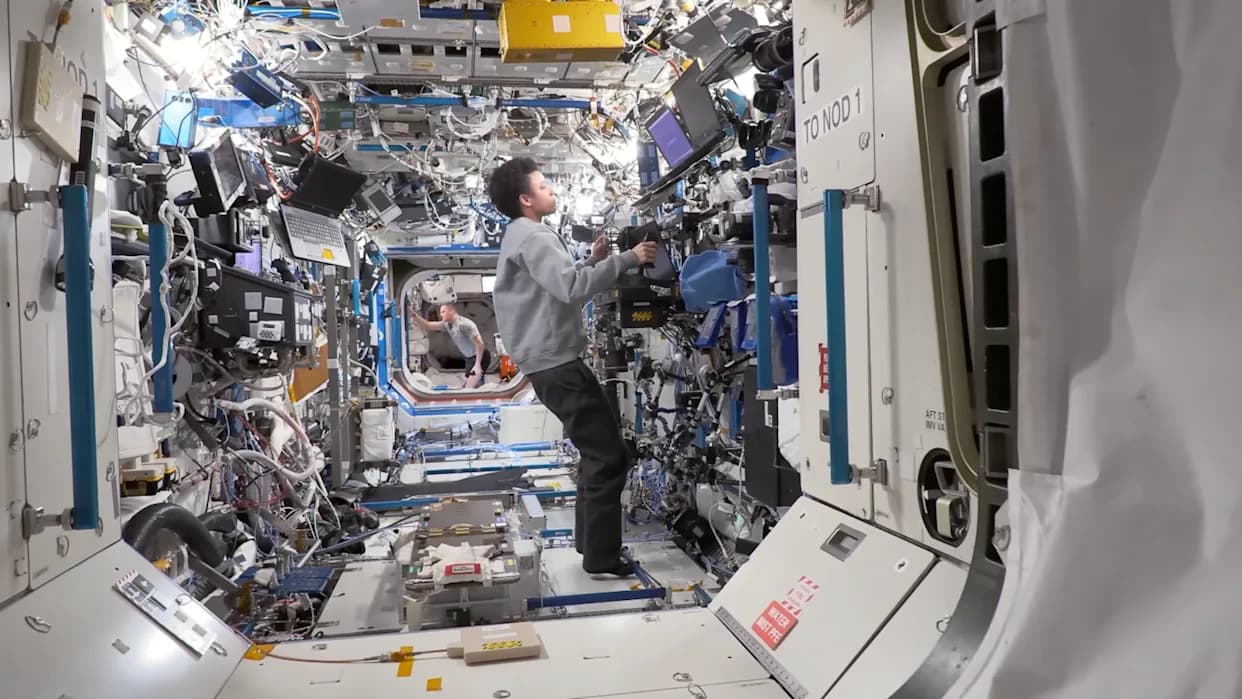
Space provides unique conditions for scientific research that cannot be replicated on Earth. Experiments in microgravity, studies of radiation effects on biology, and unobstructed astronomical observations above the atmosphere all offer opportunities to expand fundamental and applied knowledge. Many future missions will include diverse scientific programs.
Working and living in space can also change perspectives and spark new ideas. Researchers who design projects tailored to orbital conditions can answer questions about physiology, materials science and planetary processes, while the skills developed in space research are transferable to problems on Earth.
What once seemed exclusive to trained astronauts — walking outside a spacecraft — could become an experience offered to non-career flyers. Tourism operators are evaluating ways to include supervised spacewalks in commercial packages, giving participants the chance to float outside a vehicle and view Earth from an unmatched vantage point. Former astronaut Chris Hadfield has noted that spacewalks reveal how small and interconnected our planet feels.
Spacewalks come with inherent risks, and expanding access would require advances in training and safety equipment. Still, the emotional impact and sheer wonder of stepping into open space could make such excursions among the most sought-after experiences.
Celebrating personal milestones off-planet — birthdays, anniversaries and other events — may become a distinctive option as space tourism matures. The idea of a private dinner with Earth in the background or a zero-gravity birthday party has appeal for people seeking truly memorable occasions.
Pulling off celebrations in space demands practical creativity, from adapting rituals to life in microgravity to planning supplies and activities. That novelty, however, is part of the attraction: making familiar moments extraordinary in a new environment.
Performances and entertainment in orbit are already being explored, including the concept of concerts in space. Musicians and event organizers envision shows staged in orbit where audiences could experience live music while floating and viewing Earth through panoramic windows.
Hosting events in space would require solving technical problems such as acoustics, staging and crowd flow in confined environments. Nevertheless, the novelty could redefine live entertainment, offering artists and fans a singular platform for creative expression.
Education in orbit could turn classrooms into immersive laboratories. As travel becomes less prohibitive, programs may let students conduct experiments or learn directly in low Earth orbit. Studying subjects like astronomy, engineering or even visual arts in space would provide unparalleled experiential learning.
Learning off-planet brings both challenges and benefits: students must adapt to physical constraints and psychological demands, but they could gain problem-solving abilities, teamwork skills and a perspective that enriches future careers back on Earth.
New forms of sport adapted to microgravity are another likely development. Imagine playing a variant of basketball or a zero-gravity version of soccer, where movement and tactics are completely different from terrestrial sports.
Space athletics would require novel techniques for motion control and game design, since absence of gravity changes strategy and physical demands. Still, these activities could be a fun way to exercise and maintain fitness on long missions, and they might spawn entirely new competitive disciplines.
Going to other planets remains the grand ambition for explorers. Planned missions to Mars and beyond mean that, eventually, people could set foot on distant surfaces, examine alien geology and search for signs of past or present life. Such expeditions would represent a defining human achievement.
Planetary exploration entails overcoming immense challenges — extreme environments, life-support and propulsion needs, and long-duration isolation. But the scientific and cultural returns could be enormous, reframing our knowledge of the Solar System and our place within it.
One of the most remarkable sensations associated with space travel is weightlessness. Floating without gravity’s pull offers freedom of movement and unique sensory experiences. It also reveals physiological responses — changes in balance and fluid distribution — that teach us about the body.
Adjusting to weightlessness requires learning new ways to move, eat and sleep, but it can also be liberating. Whether drifting inside a vehicle or venturing outside during an extravehicular activity, experiencing weightlessness may be among the most memorable parts of a space journey.
Help us improve.