Photographs highlight Lebanon's enduring Christian heritage ahead of the pope's visit, featuring shrines, cliffside monasteries and hilltop crosses that trace back to the earliest centuries of the faith. The nation's 18-sect religious mosaic—including 12 Christian denominations—and sites such as the Qadisha Valley, St. Charbel's shrine and Our Lady of Lebanon draw both Christians and Muslims. After years of economic collapse and recent conflict, many Lebanese view the papal visit as a moment of hope, though some southern communities are disappointed it will not include their region.
Photos Spotlight Lebanon’s Christian Heritage Ahead of the Pope’s Visit

Lebanon is a land where crosses punctuate mountaintops, rooftops and street corners, and Christian imagery is woven into everyday life. The forthcoming visit of the pope has put a spotlight on how deeply Christianity is rooted in this small Mediterranean nation, with traditions that reach back to the earliest centuries of the faith.
From the peaks of Mount Lebanon down to the coastal plain, ancient religious sites sit alongside contemporary neighborhoods, creating a landscape shaped by centuries of Christian presence. The country’s complex religious mosaic—18 recognized sects, including 12 Christian denominations—makes Lebanon one of the region’s most diverse societies; by convention a Maronite Christian traditionally holds the presidency.
Christianity arrived in the area in the first century, and the New Testament records Jesus visiting cities such as Sidon and Tyre. In northern Lebanon, the Qadisha Valley sheltered some of the earliest monastic communities, with hermitages carved into cliffs that still overlook the gorge. Pilgrims continue to visit these cliffside monasteries and other sacred sites today.
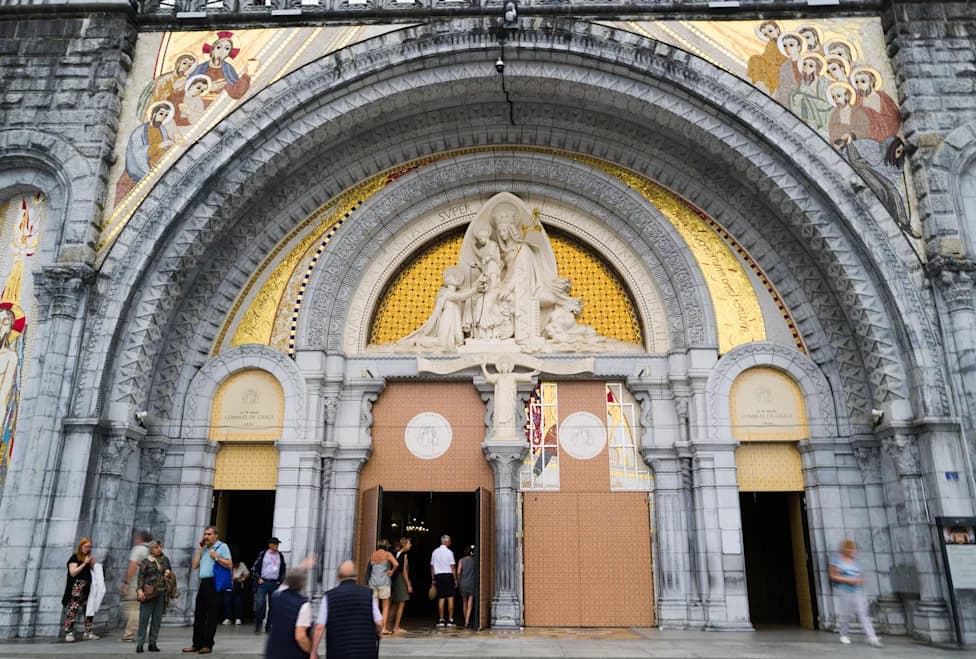
Major shrines such as the tomb of St. Charbel in Annaya and the hilltop sanctuary of Our Lady of Lebanon in Harissa draw both Christian and Muslim visitors seeking blessing and comfort. These places function as spiritual centers and community anchors, hosting religious rituals, processions and quiet moments of reflection.
Lebanese Christians, like many others in the country, have endured years of economic collapse, political paralysis and recurring violence, most recently the conflict between Israel and Hezbollah. For many, the pope's visit is a rare moment of international attention and hope; at the same time, some communities in southern Lebanon feel disappointment that he will not visit their towns.
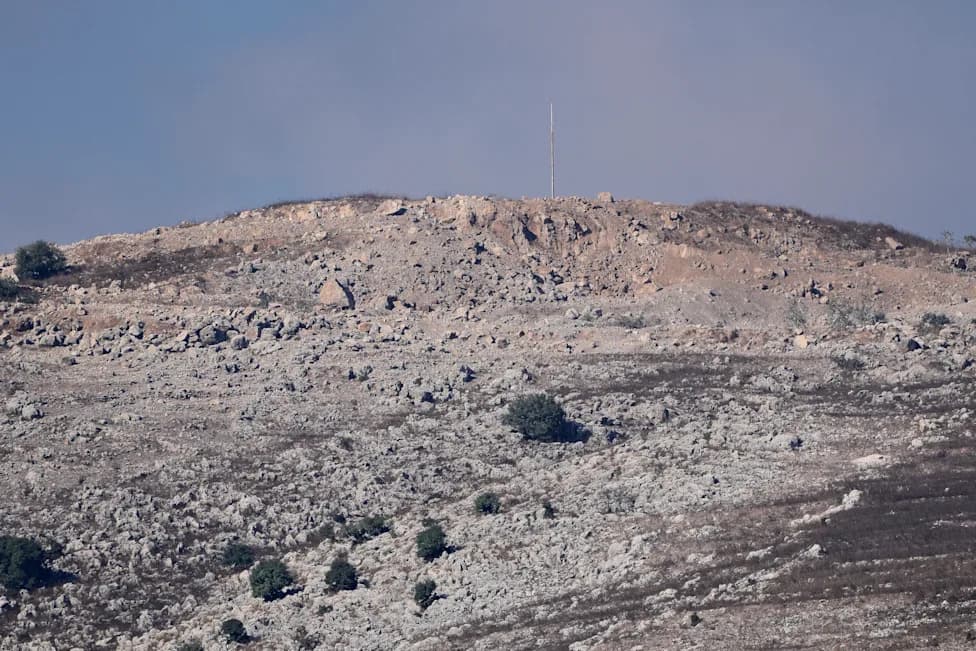
Southern Lebanon is home to important Christian landmarks, including Qana—traditionally associated with the wedding feast where Jesus' first miracle was performed—and the sanctuary of Our Lady of Waiting in Maghdousheh, a local place of devotion tied to Marian tradition.
For many Lebanese Christians these sites symbolize a long struggle to preserve identity amid crisis and war. As the country prepares to welcome the pope, believers and neighbors alike hope his visit will bring recognition, a sense of unity and solace to a weary nation.
This photo gallery highlights those landmarks and the communities that maintain them, offering a visual record of faith, resilience and daily life across Lebanon.
Help us improve.