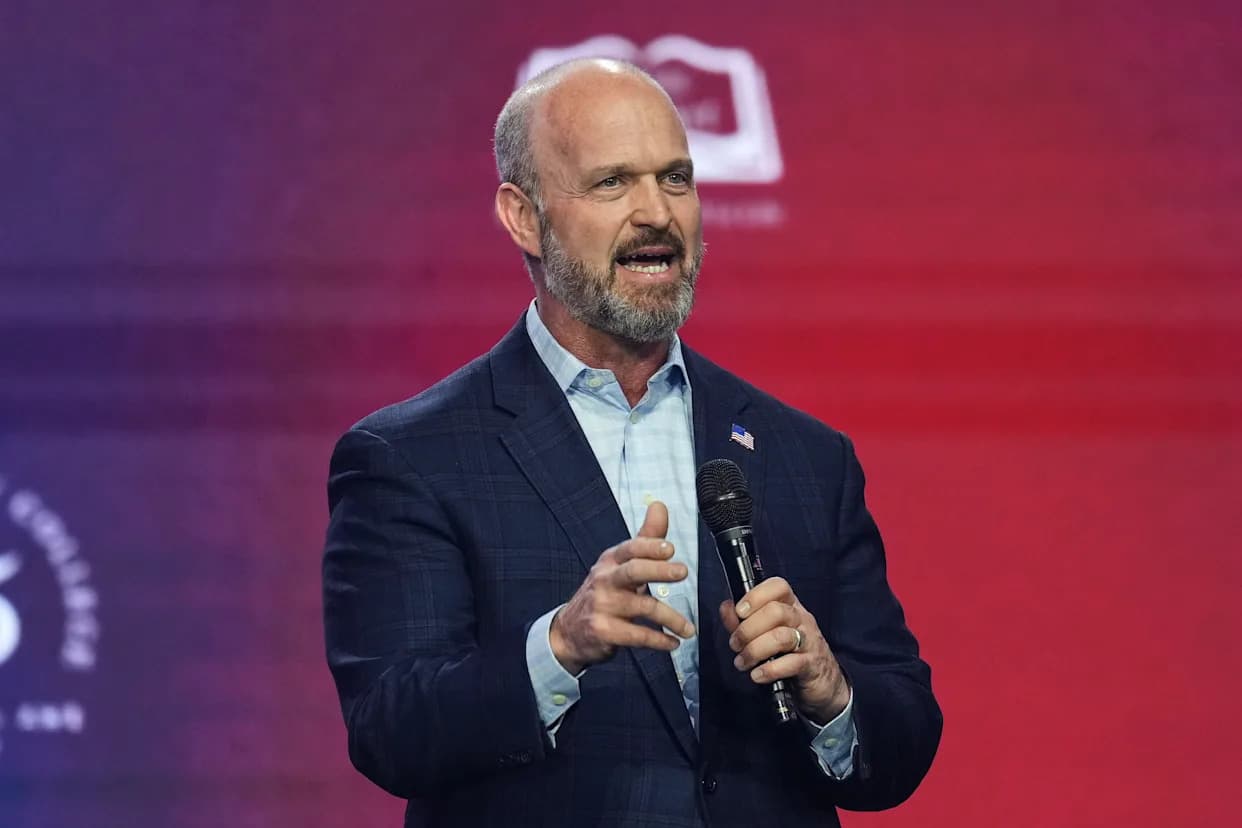
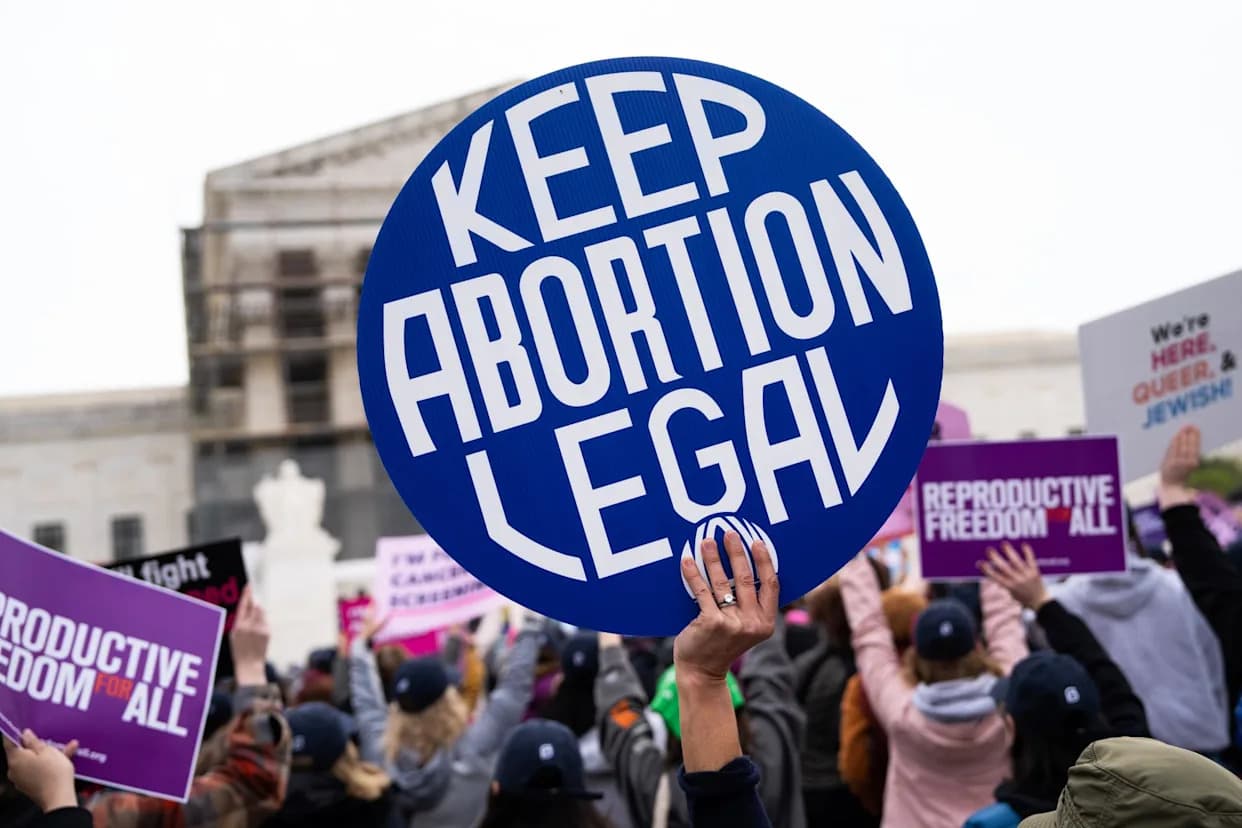
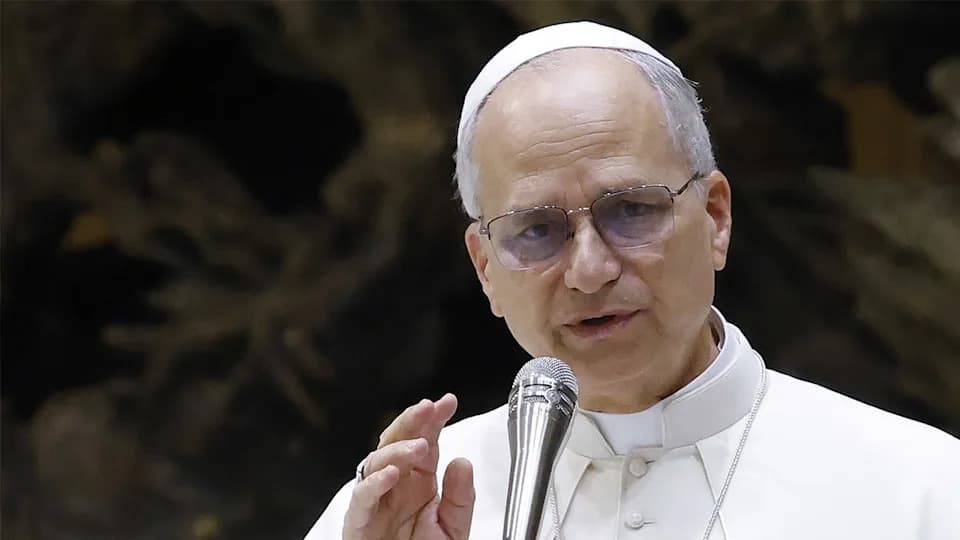
President Trump’s push to expand IVF access has highlighted a deepening split in the pro‑life movement between hardliners who equate discarded embryos with life and conservatives who view IVF as pro‑family policy. The debate intensified after the LePage case and has led to interest in alternatives like restorative reproductive medicine. How the movement reconciles protecting embryos with supporting family formation will shape its future coherence.
IVF Forces a Reckoning: The Pro‑Life Movement’s New Identity Crisis

President Trump’s proposal to expand access to in vitro fertilization has exposed a widening identity crisis within the pro‑life movement — a clash between absolutist views about embryonic life and pragmatic, pro‑family politics.
For decades, opposition to abortion served as a clear rallying point for social conservatives. But IVF presents a difficult moral dilemma: when embryos are created in a lab and not ultimately implanted, do they count as lives that must always be protected, or are they part of a medical process aimed at building families?
One faction — often described as the hardliners — treats any discarded embryo as equivalent to ending a human life. That view recently found legal footing in the civil case LePage v. Center for Reproductive Medicine, in which an Alabama court concluded that embryos could be considered "children" under state law. The decision triggered immediate concern about the practical effects on fertility clinics and medical practice.
Other conservatives, including President Trump and several allies, frame IVF as consistent with pro‑family values. They argue that using medical technology to help couples have children advances the same goals that animate pro‑life politics: supporting and strengthening families. Trump has publicly distanced himself from restrictive rulings and described his position as strongly supportive of IVF, calling for broader access including employer‑based insurance coverage.
That split matters politically and culturally. Public opinion appears to favor wider IVF access: a recent Pew Research Center survey finds roughly 70 percent of Americans view access to IVF positively. At the same time, some anti‑abortion leaders view policy support for IVF as creating a moral contradiction, arguing it could undermine the movement’s consistency.
New proposals and alternatives are emerging as attempts to bridge the divide. One example is "restorative reproductive medicine," an approach that aims to treat infertility without creating or discarding embryos; it has been promoted by some Republican groups and public figures as a morally preferable path. Advocates say it preserves pro‑life principles while still offering help to families, though it is not a direct substitute for standard IVF in many cases.
The deeper issue is philosophical and political: is "pro‑life" a strict, all‑or‑nothing doctrine that must protect embryos at every stage, or can it be reframed to prioritize family formation and parental support even when modern medicine complicates moral categories? If IVF is embraced as a pro‑family policy, critics ask whether that logic forces a reassessment of the movement’s stance on reproductive autonomy more broadly.
The disagreement could strain conservative unity. Previously, a shared opposition to abortion helped hold together disparate factions; IVF now threatens to become another fault line. How leaders and voters resolve the tension — by accommodation, by doctrinal reinforcement, or by carving out nuanced policy positions — will shape the movement’s identity going forward.
Author: Briana Torres is an attorney and the Maeve McKean Women’s Law and Public Policy Fellow at Georgetown University’s O’Neill Institute for National and Global Health Law. She is also a fellow with the National Health Law Program, focusing on federal strategy and sexual and reproductive health policy.
Help us improve.