Congress removed a provision from the final defense bill that would have expanded IVF and fertility coverage under TRICARE, leaving military families without the benefits now available to many federal employees. The IVF language had cleared both chambers’ committees but was stripped from the National Defense Authorization Act days before a vote. Bipartisan frustration followed, and lawmakers have already begun efforts to reintroduce measures to restore coverage.
Last-Minute Cut Leaves Military Families Without IVF Coverage in Defense Bill

While federal employees have seen an expansion in their fertility benefits, military insurance still doesn’t offer fertility coverage. - Getty Images
Congress removed a provision from the final defense bill that would have expanded in vitro fertilization (IVF) and other fertility benefits under TRICARE, leaving many military families without coverage that other federal employees now receive.
Personal Stakes: Planning Around Deployments
In 2017, when my husband was still serving in the Army, he received an unexpected deployment just as we were preparing to try for a child. A last-minute work trip coincided with my ovulation, so we asked a local fertility clinic to freeze his sperm so I could proceed with an intrauterine insemination (IUI) while he was away.

Courtney Deady and her husband - Courtney Deady
The clinic visit was stressful and disorganized for couples in our situation. Although we had no diagnosed fertility condition, I was 37 and felt time was limited. One staff member initially attempted to charge us for a full IVF cycle—costing at least $10,000—before we negotiated an a la carte approach and paid several hundred dollars to preserve our chance.
The IUI did not succeed. I regretted switching to my husband’s military insurance, TRICARE, which then covered fertility care only when it was tied to “a serious or severe illness or injury while on active duty.” My civilian employer’s plan offered fertility benefits, but paying for IVF out of pocket would have been far more expensive than higher premiums for civilian coverage.
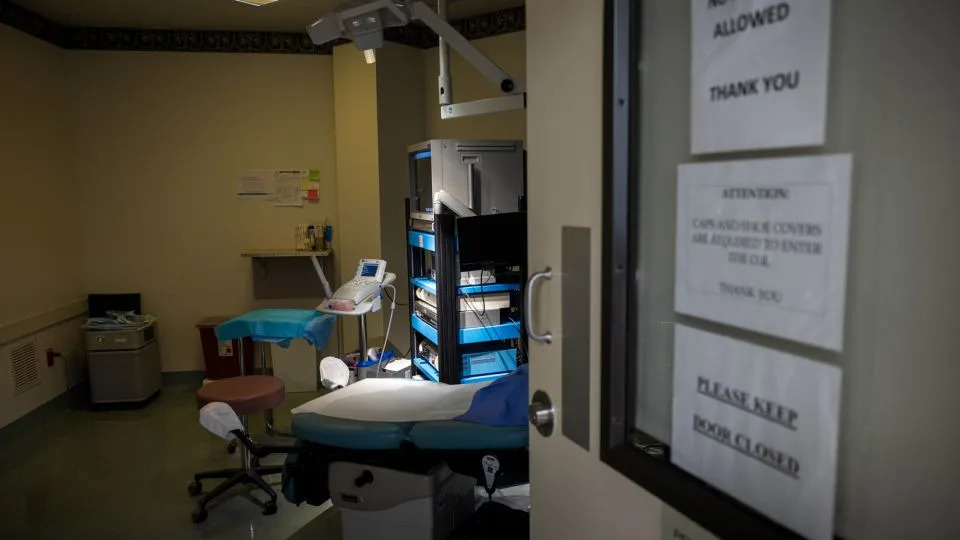
A procedure room of West Coast Fertility Centers, photographed February 29, 2024, in Fountain Valley, California. - Jay L Clendenin/Getty Images
Broader Impact On Military Families
Many military spouses do not have a choice of two plans. Frequent relocations make steady employment difficult; military spouses face unemployment rates far above the national average, and TRICARE is often the only practical option for health coverage.
More than eight years after our failed IUI, federal employees have seen expansions in fertility benefits while TRICARE has not. Language to expand IVF coverage for service members and their families had cleared committees in both the House and Senate and looked poised to become law as part of the National Defense Authorization Act (NDAA). But the provision was removed from the final bill days before a vote, a last-minute change that devastated many families.
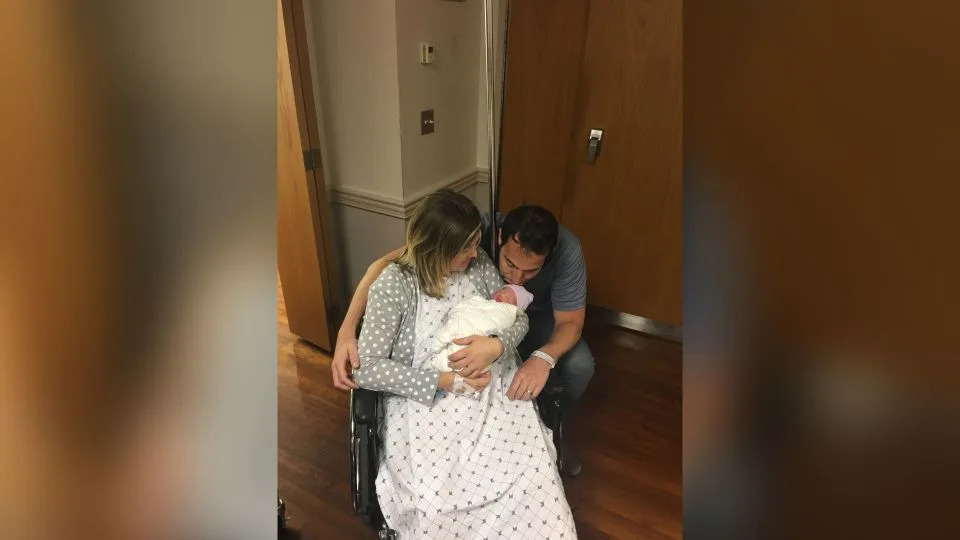
Brianna Keilar at the hospital shortly after Antonio was born in June 2018. - Brianna Keilar
“It’s the mental health, it’s the travel. There’s so many other things, such as cryopreservation,” said Courtney Deady, whose family has spent roughly $100,000 on fertility treatments and who now has one embryo left for a final IVF attempt.
Politics, Promises and Pushback
Sen. Tammy Duckworth, a combat-wounded Democrat who conceived two children through IVF, was the Senate sponsor of the TRICARE coverage provision and blamed House Speaker Mike Johnson for its removal. Duckworth argued the provision had bipartisan committee support and said opposition came from the speaker’s positions on related ethical and pro-life issues.
Supporters pointed to campaign rhetoric and an executive order by President Donald Trump promising to ease IVF costs. Critics, meanwhile, cited ethical protections and pro-life concerns as reasons for caution. Speaker Johnson—whose home state Louisiana has some of the country’s strictest rules governing embryos—says he supports expanded access when adequate pro-life protections are included.
What Comes Next
Lawmakers from both parties have expressed disappointment at the last-minute cut. In the House, veterans and representatives of major military communities have already reintroduced measures that would restore IVF coverage under TRICARE. Republican Reps. Nick LaLota and Jennifer Kiggans are among those pressing for legislation to ensure military families have fertility care similar to what many civilian employers offer.
I write this with my 7-year-old son asleep in his bed, grateful that our single failed IUI was the only treatment we ultimately needed. For many military families, however, the choice between service and access to fertility care remains an unfair sacrifice. The debate is likely to continue as advocates press Congress to reverse the last-minute decision and provide parity for those who serve and their families.
Help us improve.