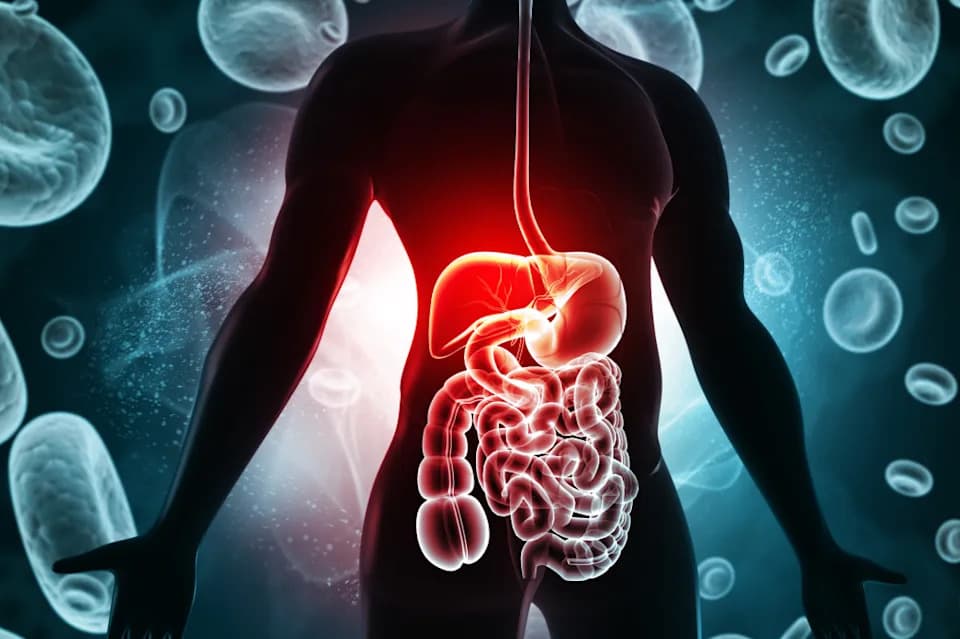
Researchers report that metformin reaches the ventromedial hypothalamus (VMH) in mice and suppresses the Rap1 protein, improving glucose control via a brain-based mechanism. Mice lacking Rap1 did not benefit from metformin, supporting a distinct central action that involves activation of SF1 neurons. Published in Science Advances, the study suggests new directions for diabetes therapies pending confirmation in human studies.
After 60 Years, Metformin Found to Act Directly on the Brain — Mouse Study Reveals New Pathway

Metformin, a frontline treatment for type 2 diabetes for more than six decades, appears to act not only in the liver and gut but also directly in the brain, according to a new mouse study. Researchers identified a specific brain pathway in the ventromedial hypothalamus (VMH) through which the drug influences glucose regulation — a finding that could reshape how scientists think about diabetes therapies.
The study reports that metformin reaches the VMH and suppresses a protein called Rap1. In animals with a diabetes-like condition, this effect was tied to better glucose control. Crucially, when researchers bred mice that lack Rap1, metformin no longer improved the diabetes-like measures, even though other diabetes drugs still worked — supporting the idea that metformin has a distinct central (brain) mechanism of action.
"It has long been accepted that metformin lowers blood glucose mainly by decreasing glucose output from the liver. Other studies have shown it acts in the gut," said Makoto Fukuda, a pathophysiologist involved in the research. "We turned our attention to the brain because it is a major regulator of whole-body glucose metabolism. We explored whether and how the brain contributes to metformin's anti-diabetic effects."
The team also pinpointed the specific neurons affected: SF1 neurons within the VMH were activated when metformin was introduced into the brain, suggesting these cells play a direct role in the drug's central action. That cellular detail raises the possibility of future treatments that target those neurons more precisely.
Metformin's established mechanisms include reducing hepatic glucose production and improving insulin sensitivity. The new results indicate the brain can respond to lower concentrations of metformin than the liver or intestines, implying that modest central exposure may have meaningful metabolic effects.
While the experiments were conducted in mice and require confirmation in humans, the findings expand the understanding of how metformin works and point to potential opportunities: enhancing central effects of the drug, developing targeted therapies that act on the same brain pathways, or combining approaches to improve clinical outcomes.
The study was published in Science Advances. The researchers also note that this work complements other studies linking metformin to changes in brain aging and lifespan in some experimental models, though those areas remain under active investigation.
Implications and caution: Metformin is generally considered safe, long-lasting, and affordable, and it remains a cornerstone of type 2 diabetes care. However, translating these mouse findings to human treatment will require careful clinical research to confirm whether the same brain mechanisms operate in people and whether they can be safely and effectively targeted.
Help us improve.