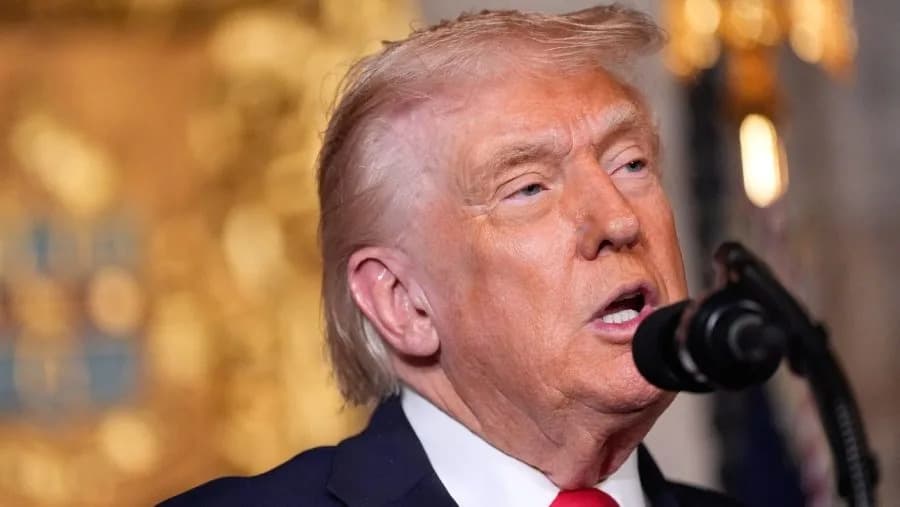
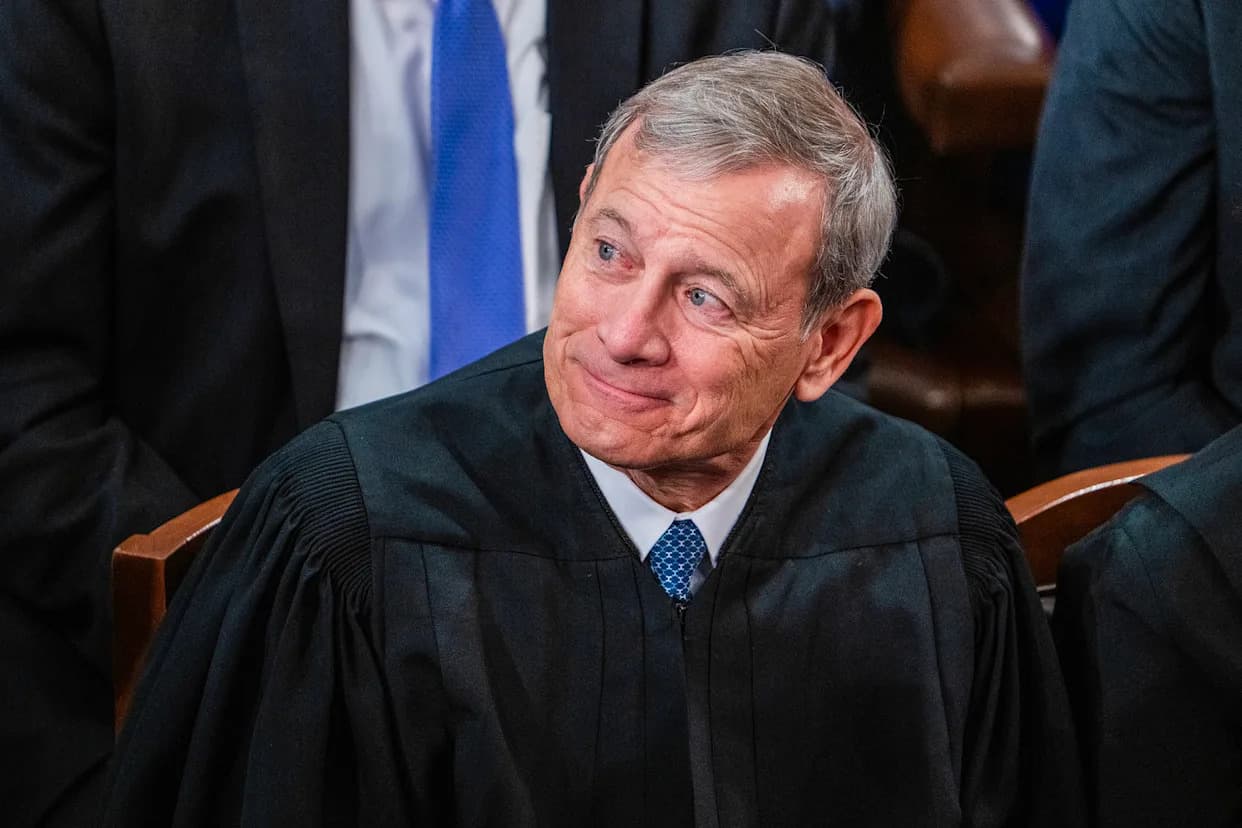
Douglas MacKinnon warns that a growing number of judicial decisions are effectively blocking policies enacted by a democratically elected president, undermining the judiciary's role as an impartial arbiter. He criticizes both partisan rhetoric and judicial overreach, citing examples where courts have limited executive security, trade, and immigration measures. MacKinnon argues this pattern risks normalizing reciprocal judicial interference when administrations change, and calls for greater judicial restraint to protect democratic governance.
When Judges Cross the Line: Judicial Activism and the Threat to Democratic Choice

Never in our nation's history have we seen judges so frequently and conspicuously sidestep the expressed will of American voters to delay or nullify the policies of a president chosen in free elections. That trend risks turning the judiciary from an arbiter of law into an active player in policy disputes.
Everyone carries personal views. True leadership—and judicial stewardship—requires subordinating those views to the rule of law and the public interest. Judges, more than most public servants, are entrusted with preserving that impartiality.
Recently, a group of former federal judges criticized Deputy Attorney General Todd Blanche after he described a class of "activist judges" across the country who are attempting to block multiple executive orders and policies. "It is a war," Blanche said, "and it is something we will not win unless we keep on fighting." His language drew rebuke not necessarily for its substance but for its tone.
“Especially when voiced by high-ranking officials, such rhetoric not only endangers individual judges and court staff, but also undermines the public’s trust in the judiciary as an impartial and co-equal branch of government.”
That concern about rhetoric is understandable. It is equally reasonable to ask whether the same critics protested when heated, dehumanizing comparisons were repeatedly leveled at President Trump by his opponents over the past decade. Extreme language can have consequences, and public officials on all sides should moderate their rhetoric.
There is, however, a substantive question worth focusing on: are some judges using the bench to advance policy preferences rather than to interpret law? Critics point to a range of recent rulings that have checked executive actions—from limits on National Guard deployments in certain jurisdictions to injunctions affecting tariff policies, administrative security measures, protective fencing around federal sites, tactics for responding to violent protests, and decisions affecting immigration enforcement.
When judges intervene frequently on politically charged questions, they risk creating a precedent that future administrations will exploit in turn. If one side relies on friendly judges to frustrate a president’s agenda, the other side may come to see judicial intervention as a legitimate tool of partisan strategy. That tit-for-tat dynamic would damage the judiciary’s institutional legitimacy.
The Framers intended three separate branches—executive, legislative and judicial—to check one another and to work together for the common good. They did not design the courts to function as a fourth policymaking branch.
Holding judges accountable means insisting on impartiality, transparency, and restraint. It also means acknowledging that heated rhetoric from political actors can be irresponsible, while independently examining whether judicial decisions are grounded in law or politics. Both responsibilities are important if public trust in our courts is to be preserved.
About the author: Douglas MacKinnon is a former White House and Pentagon official.
Help us improve.