Chief Justice John Roberts’ seven‑page year‑end report emphasized the Declaration of Independence and the Constitution’s protections for judicial independence while avoiding direct comment on recent threats and political pressure facing federal judges. He reiterated that life tenure and salary protections have preserved judicial independence for roughly 236 years and recalled the failed impeachment of Justice Samuel Chase as a historical precedent. Roberts’ restrained tone drew criticism from some who wanted a more forceful defense of judges, even as the Supreme Court prepares to rule on several high‑profile Trump‑era policies.
Roberts Sidesteps Flashpoints in Year‑End Message, Emphasizes Judicial Independence
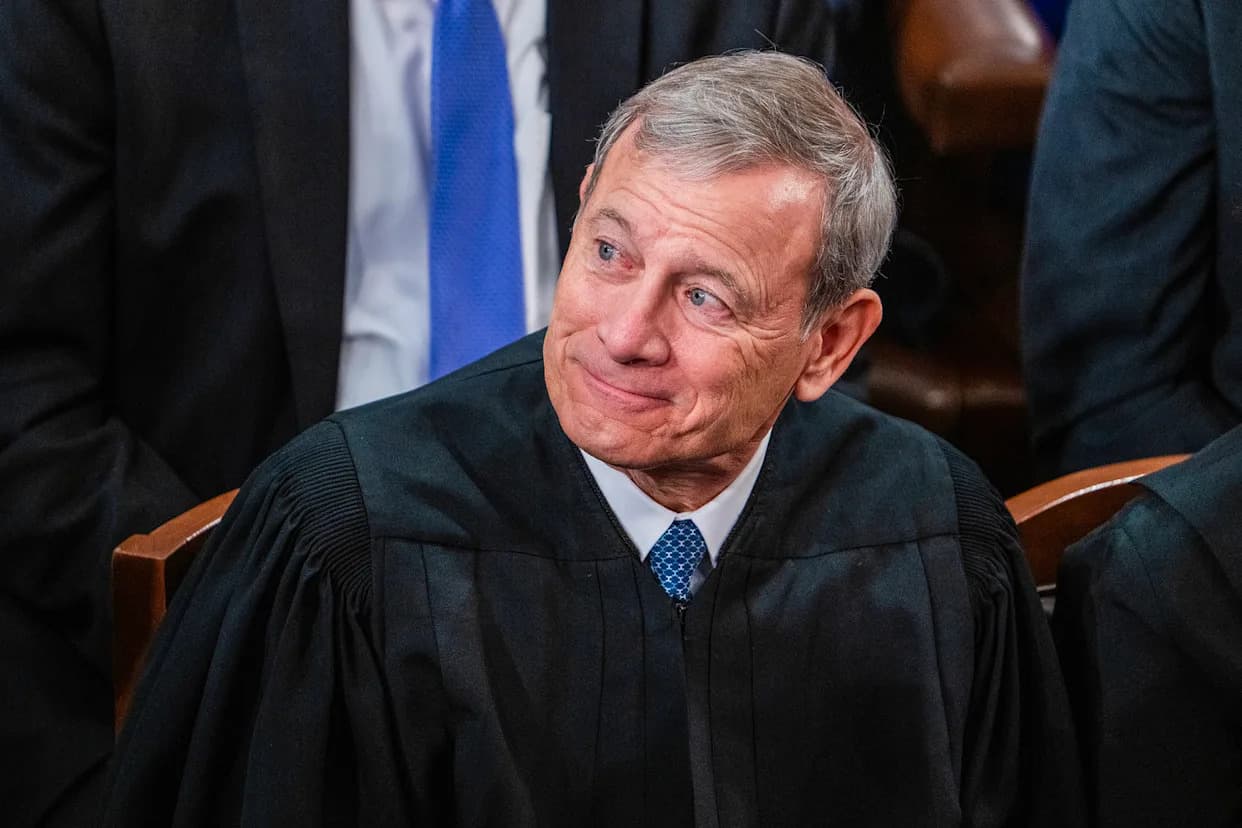
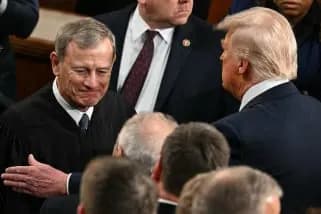
Chief Justice John Roberts released his annual end-of-year report on New Year's Eve. (Tom Williams / CQ-Roll Call via Getty Images)
WASHINGTON — Chief Justice John Roberts largely avoided directly confronting the most contentious problems roiling the federal judiciary in his seven‑page year‑end report released Wednesday, choosing instead to underscore the historical roots of judicial independence.
Focus on Founding Principles
Roberts centered his remarks on the Declaration of Independence and its role in shaping the Constitution. He reiterated confidence in the Constitution’s safeguards for an independent judiciary, noting that life tenure and salary protections have helped preserve a check on political branches for roughly 236 years.
"Those of us in the Third Branch must continue to decide the cases before us according to our oath, doing equal right to the poor and to the rich, and performing all of our duties faithfully and impartially under the Constitution," Roberts wrote.
What He Did — And Didn’t — Address
Roberts did not explicitly tackle several flashpoints that have consumed the federal courts this year: rising threats against judges, calls from President Donald Trump to impeach judges who rule against him, and criticism from some jurists that the Supreme Court has not done enough to defend the judiciary. Earlier in the year Roberts pushed back on the idea of impeaching judges simply for unfavorable rulings, but his latest statement offered only oblique references to those controversies.
Roberts recalled historical episodes underscoring the limits of removing judges for unpopular decisions, citing the failed impeachment of Justice Samuel Chase, when senators concluded that disagreement with judicial rulings was not a valid basis for removal.
Context And Outlook
The statement comes as the Supreme Court prepares to consider several high‑profile cases tied to former President Trump’s agenda, including disputes over broad tariffs and an effort to end automatic birthright citizenship. With those rulings looming, Roberts’ invocation of constitutional protections for the judiciary can be read as a reminder of institutional norms without taking a confrontational stance on current political pressures.
Why It Matters: The chief justice’s deliberate, historically framed approach reassures some that institutional protections remain intact, while prompting critics to say the court could be more forthright in defending judges facing threats and political attacks.
Help us improve.