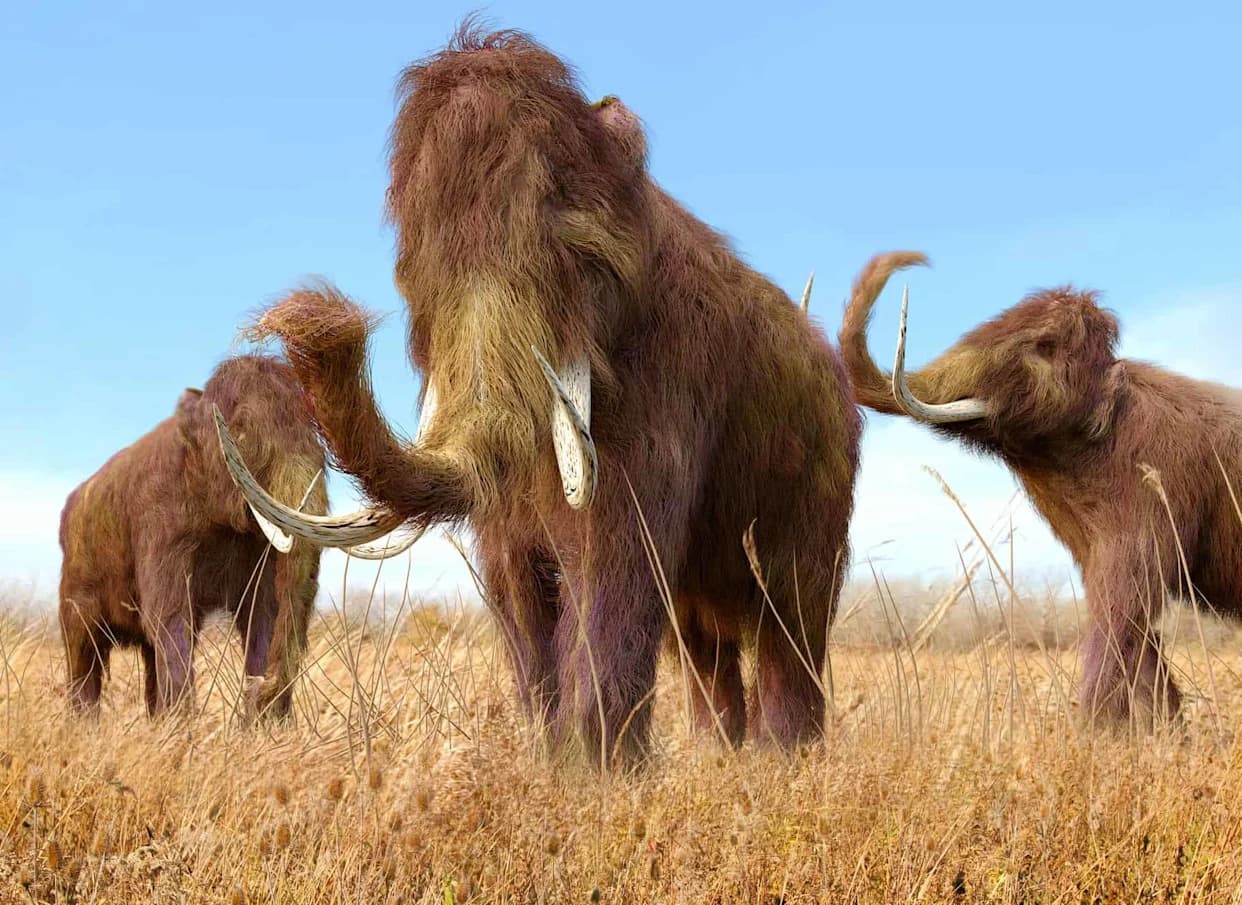
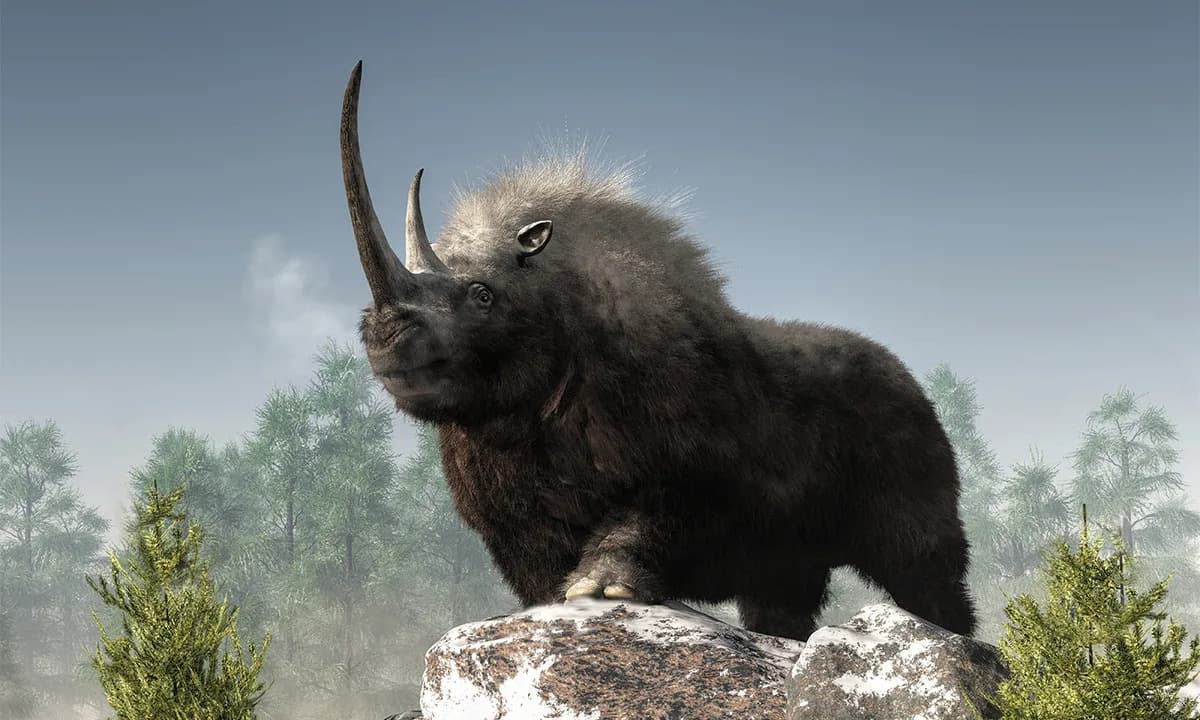
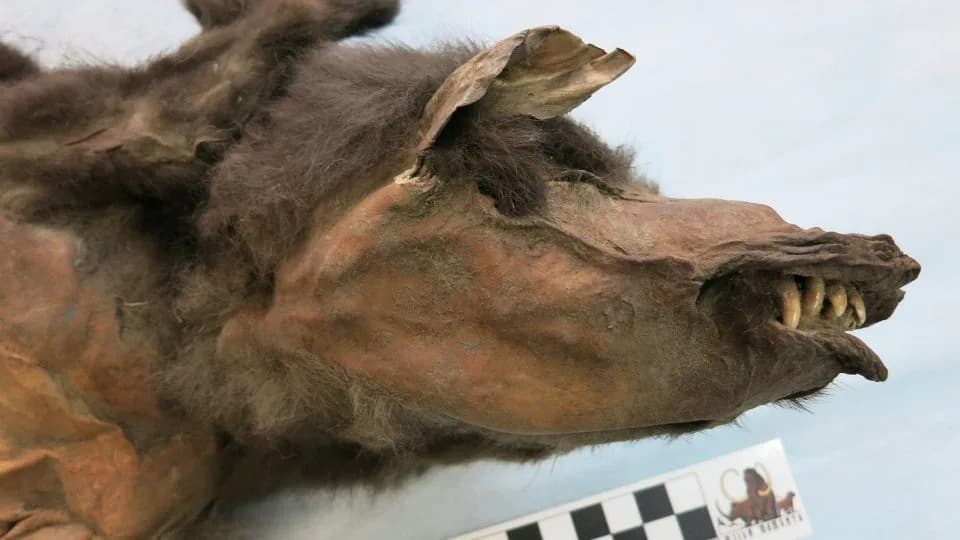
Researchers recovered RNA from Yuka, a nearly 40,000‑year‑old woolly mammoth preserved in Siberian permafrost, and published the results in Cell. The RNA — the oldest reported to date — reveals gene activity linked to muscle development and strong cellular stress just before death, suggesting injury or a predator encounter followed by drowning. Only Yuka, among several sampled mammoths, preserved long RNA, highlighting how rare such preservation is. While the finding won’t enable de‑extinction, it opens new avenues for studying ancient gene regulation, cold adaptation and potential Ice Age viral genomes.
40,000‑Year‑Old RNA Recovered from Woolly Mammoth Reveals Its Final Minutes

Researchers have recovered RNA molecules from the preserved tissues of a young woolly mammoth, providing an unprecedented molecular snapshot of biological processes that were active in the animal's body in the minutes before it died nearly 40,000 years ago.
The specimen, known as Yuka, was discovered in 2010 on the bank of a river in northern Siberia and was exceptionally well preserved in permafrost. A recent paper in the journal Cell reports that teams from institutions in Stockholm, Copenhagen and other centres identified what they describe as the oldest RNA molecules ever detected — a major advance for paleogenetics.
Unlike DNA, which stores genetic information over the long term, RNA reflects which genes were actively being expressed when the tissue was frozen in time. Because RNA normally degrades rapidly after death, its survival for nearly 40,000 years suggests extraordinary preservation conditions in the permafrost.
Key findings
- Oldest RNA documented: The study reports exceptionally ancient RNA sequences preserved in Yuka's tissues.
- Gene activity revealed: Some RNA matched pathways involved in skeletal muscle development, revealing which developmental processes were active.
- Signs of acute stress: A strong signal of cellular stress suggests Yuka experienced severe physiological strain shortly before death — possibly from injury or a predator attack — and may have slipped into shallow water and drowned.
- Rare preservation: Of three other mammoths sampled from the same region, only Yuka yielded substantial long RNA, indicating that similar finds will require unusually favorable taphonomic conditions.
- Sex reassessment: Additional DNA analysis corrected Yuka’s sex from female to male, prompting new questions about how external features in mammoths have been interpreted.
The team found no evidence of active RNA viruses in Yuka, but they note that these methods could eventually help identify ancient viral genomes preserved in other Ice Age specimens. The researchers also emphasize that RNA snapshots document gene activity and are not a path to reviving an extinct animal — the discovery sheds light on gene regulation and physiology rather than offering a route to de‑extinction.
Looking ahead, scientists are eager to search hair follicles and other tissues for preserved RNA that could reveal how mammoth coats, cold‑tolerance systems and other adaptations were regulated. Such molecular insights could deepen our understanding of how these iconic Ice Age animals were biologically adapted to Arctic environments.
Help us improve.