Photographs of the Fourth Plenum exposed unusually empty seats after a wave of military dismissals. Nine senior generals were removed, seven with ties to the Eastern Theatre Command, which plans operations targeting Taiwan. Analysts warn the loss of Taiwan specialists complicates detailed invasion planning even as grey-zone pressure—cyberattacks and air incursions—persists. The shake-up appears tied to Xi's anti-corruption and loyalty consolidation, leaving timing and method for reunification more uncertain.
Xi’s Military Purge Throws Taiwan Contingency Planning into Disarray

Photographs of the recent Fourth Plenum in Beijing drew attention not for who was present but for who was not. Rows of empty seats beneath the national emblem reflected an unusually low turnout: officials reported the lowest attendance in nearly 50 years, with roughly 20% of the Communist Party central committee and nearly half of the Central Military Commission absent.
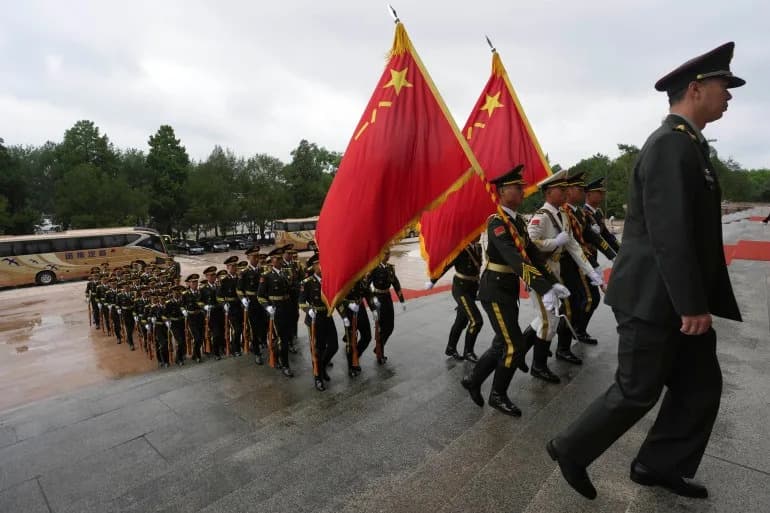
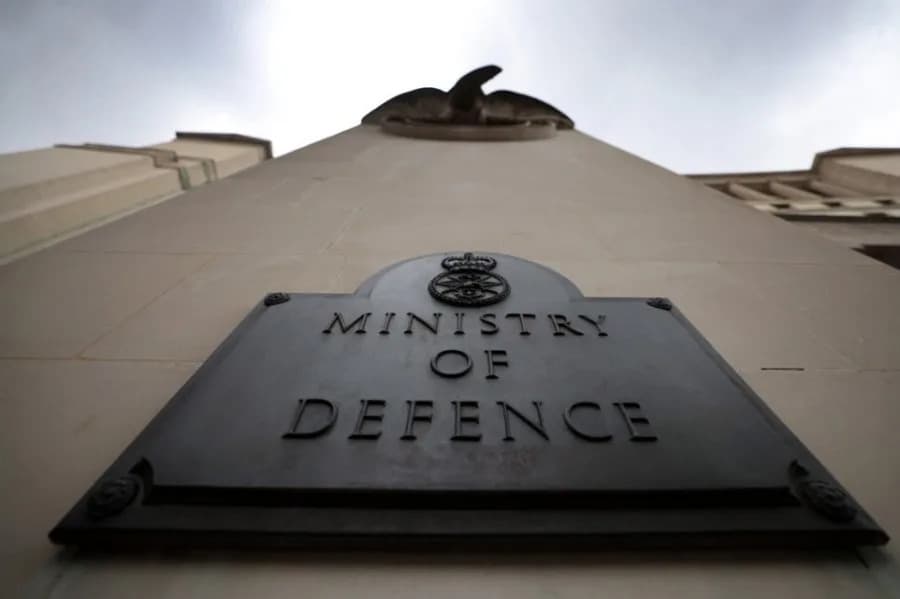
Days earlier, China’s defence ministry announced the dismissal of nine senior generals. Among them was He Weidong, a vice-chairman of the CMC and one of the most senior figures in the People’s Liberation Army. Since President Xi Jinping launched his anti-corruption campaign in 2012, more than 50 political and military figures have been removed, but the prominence and Taiwan-focused experience of the latest departures have prompted fresh questions about Beijing’s military planning.
Who was removed and why it matters
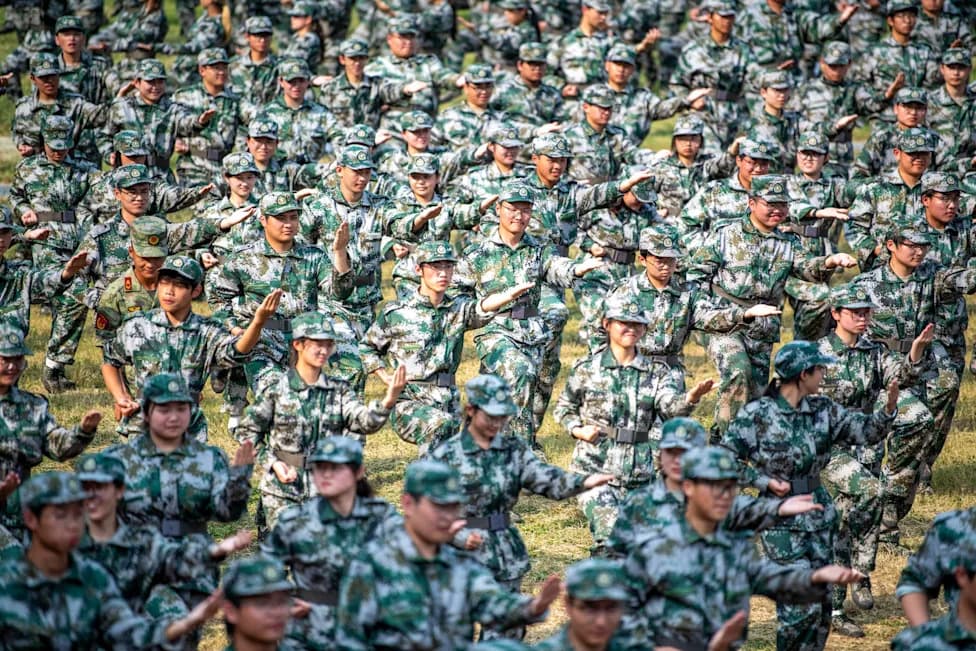
Seven of the nine officers dismissed in October had served in the Eastern Theatre Command (ETC), the PLA region primarily responsible for Taiwan contingencies. He Weidong was widely seen as a principal architect of planning for operations involving Taiwan. Other senior figures confirmed out in October included Lin Xiangyang, the head of the ETC, and Miao Hua, director of the CMC political work department. Commanders such as Wang Zhongcai, the ETC naval commander, and Ding Laifu, a group army commander, are also believed to have been under investigation.
Analysts' assessments
Wen-Ti Sung, a fellow at the Atlantic Council's Global China Hub, said removing so many Taiwan specialists probably delays or complicates any imminent invasion plan, noting that launching complex operations with large gaps in the chain of command would be highly risky.
Many analysts view the dismissals primarily as part of Xi's broader anti-corruption and loyalty consolidation drive. Yet the loss of experienced planners has consequences. As Lyle Morris of the Asia Society Policy Institute observed, morale has fallen and patronage networks are under scrutiny, creating ripple effects through the officer corps.
Michael Clarke, a defence lecturer, suggested the shake-up either reflects diminished confidence in the ETC and PLA Navy's ability to execute a protracted blockade or amphibious assault, or that Beijing is reassessing potential strategies for pursuing reunification.
Shifts in tactics and leadership signals
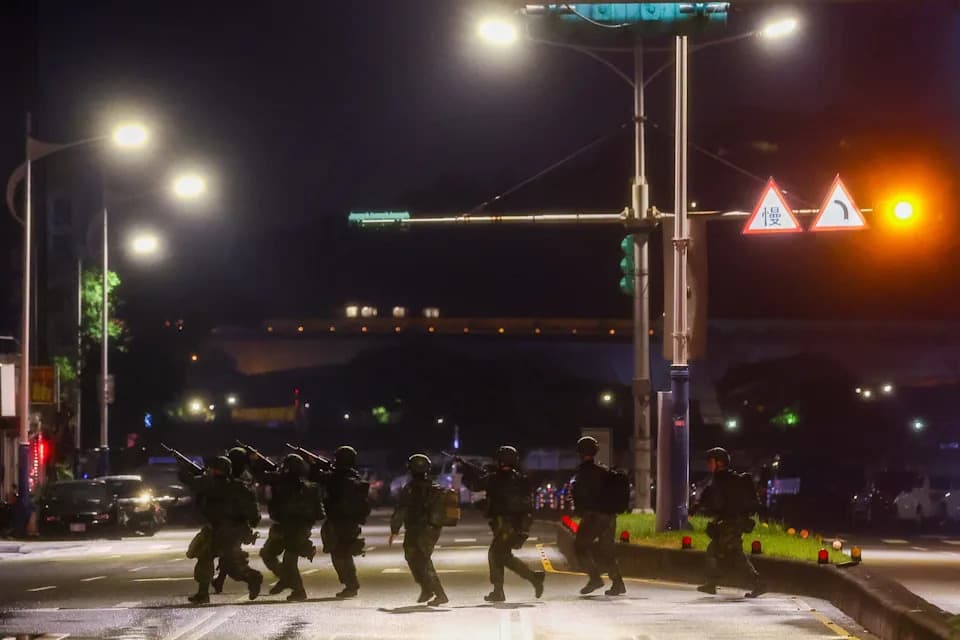
Observers note some tactical changes: joint combat-readiness patrols around Taiwan appear to have declined since August, while grey-zone activities such as cyber intrusions and aerial incursions have continued or increased. He Weidong had been a leading proponent of grey-zone harassment—non-kinetic measures intended to destabilise Taiwan short of open war—while others seen as closer to traditional combat-readiness remain influential.
Attention has also focused on He’s temporary successor, Zhang Shengmin, a former political commissar in the rocket force who led anti-corruption work. Some analysts interpret his rocket-force background as a potential sign of greater emphasis on missile capabilities, while others caution that acting appointments during a broad purge are not reliable indicators of long-term doctrine.
What this means for Taiwan and timing
President Xi continues to prioritise reunification with Taiwan and has not ruled out force; reports that he wants forces prepared by 2027 remain influential in Western assessments. However, experts argue it would be unlikely to remove large numbers of experienced planners on the eve of a complex amphibious campaign. The purge has therefore injected greater uncertainty into questions of timing, method and capability, even as Beijing maintains pressure through a mix of kinetic and non-kinetic measures.
The central goal remains unchanged, but the scale and seniority of recent dismissals make near-term operational readiness and the choice of approach less predictable.
Help us improve.