Key findings: Drone surveys comparing 2022 and 2024 imagery show a 47% drop in breeding female southern elephant seals on South Georgia — an estimated loss of about 53,000 animals after a 2023 bird flu outbreak. South Georgia historically hosts an estimated 54% of the species. Similar outbreaks on Argentina's Valdés Peninsula killed about 67% of breeding females and around 97% of pups in 2023. Researchers link rapid spread to respiratory droplets in dense breeding colonies and urge regular monitoring to track long-term impacts.
Bird Flu Devastates Southern Elephant Seals on South Georgia — 47% of Breeding Females Lost

New research shows a dramatic decline in southern elephant seals after a 2023 avian influenza outbreak reached South Georgia. Drone surveys and field observations indicate a near-halving of breeding females at key colonies, raising concerns about long-term population impacts.
Population impact and study details
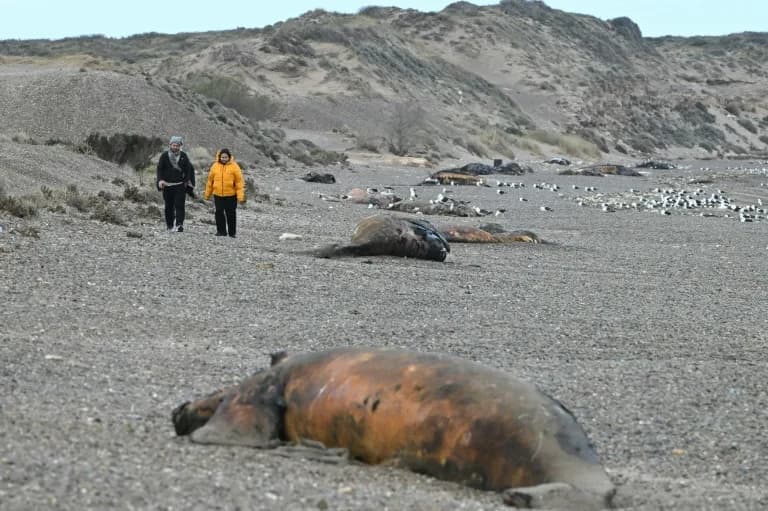
South Georgia, a remote island that historically hosts a majority of the global southern elephant seal population, has been severely impacted by the current wave of highly pathogenic avian influenza. Using hand-launched drones to photograph the island's three largest breeding beaches on the same day in 2022 and 2024, a UK-led team published an analysis in Communications Biology estimating a 47% decline in breeding females — roughly 53,000 animals.
Context from the last comprehensive count (1995) suggested South Georgia held about 54% of all southern elephant seals, making these losses particularly significant for the species.
What researchers observed
Many pups died after being abandoned by mothers who were sick with the virus. Field reports from Argentina's Valdés Peninsula — where a similar outbreak occurred in 2023 — found even higher impacts: an estimated 67% loss of breeding females and around 97% of pups dying either from abandonment or infection.
"It paints a pretty stark and harrowing picture," said Connor Bamford, marine ecologist at the British Antarctic Survey and lead author of the study.
How the virus spreads among seals
Researchers believe transmission occurs largely via respiratory droplets in dense breeding aggregations. Although southern elephant seals spend most of their lives at sea, they congregate in very large numbers on broad, sandy beaches to breed. Close contact, coughing and nasal discharge likely facilitate rapid spread among animals packed tightly together.
Outlook and recommendations
While Bamford cautioned that the South Georgia population — numbering in the hundreds of thousands — is unlikely to be driven to extinction, he warned the effects will be felt for years and could reshape population dynamics. For the smaller Valdés colonies, models suggest consequences may persist for decades.
The study calls for ongoing surveillance and "regular check-ups" of elephant seal colonies to monitor recovery, identify further outbreaks quickly, and better understand long-term ecological consequences.
Source: Study published in Communications Biology; field statements from the British Antarctic Survey.
Help us improve.