
Photographs from the Antarctic Peninsula reveal abundant wildlife — including Gentoo penguins, orcas and Pintado petrels — set against dramatic ice and ocean scenery. The region is warming rapidly, and the Southern Ocean absorbs roughly 40% of the oceanic uptake of human‑released CO2, NOAA says. Gentoo populations are expanding southward while Adélie colonies face serious decline risks, with one study projecting up to 60% could be threatened by 2100. NASA data show Antarctica lost about 149 billion metric tons of ice per year from 2002–2020, underscoring accelerating environmental change.
Photos From Antarctica Show Thriving Wildlife — And Clear Signs Of Climate Risk

Adelie penguins stand on a block of floating ice at Yalour Islands in Antarctica, Monday, Nov. 24, 2025. (AP Photo/Mark Baker)(ASSOCIATED PRESS)
Photographs from the Antarctic Peninsula capture a striking paradox: vibrant wildlife and picture‑perfect scenery alongside clear evidence of a rapidly changing environment. Deep blue seas and blinding white ice frame a landscape where orcas, penguins and seabirds persist — even as warming temperatures reshape their habitat.
Wildlife On The Move
In the Lemaire Channel — nicknamed the “Kodak Gap” for its dramatic cliffs and sculpted ice — Gentoo penguins, with their slender orange beaks and distinctive eye markings, were observed nesting on exposed rock and diving in open water. As the region warms, Gentoos have been moving southward and expanding where rock and open water are available.
By contrast, Adélie penguins face a more precarious future. These compact birds depend on sea ice to rest, avoid predators and access their prey; one study projects that up to 60% of Adélie colonies around Antarctica could be threatened by warming by 2100.
Climate Signals: Ocean Carbon And Ice Loss
The Antarctic Peninsula is among the fastest‑warming regions on Earth. The surrounding Southern Ocean plays an outsized role in the global carbon cycle: according to the National Oceanic and Atmospheric Administration (NOAA), the Southern Ocean accounts for roughly 40% of the oceanic uptake of anthropogenic CO2, helping absorb heat and carbon that would otherwise warm the atmosphere more quickly.
Ice loss is already measurable. NASA estimates that from 2002 to 2020 Antarctica lost on the order of 149 billion metric tons of ice per year, a rate that contributes to sea level rise and alters coastal and marine ecosystems.
Tourism, Spectacle And The Stakes Ahead
Tourists in bright red jackets often drift within sight of dramatic wildlife: orcas in narrow channels, Pintado petrels wheeling above, and colonies of penguins along the shore. In places like the Drake Passage and the Lemaire Channel, visitors get close views of a fragile environment — and a front‑row seat to changes that may intensify over decades.
What This Means: The expansion of Gentoo colonies, retreating sea ice and increasing exposure of bare rock on the Antarctic Peninsula are visible signs of a landscape in transition. Those changes carry ecological consequences for species that rely on ice, and practical consequences for global sea level and carbon cycling.
Associated Press writer Caleigh Wells contributed reporting from Cleveland. The Associated Press’ climate and environmental coverage receives philanthropic support; AP retains full editorial control. For more on AP’s standards and supporters, visit AP.org.
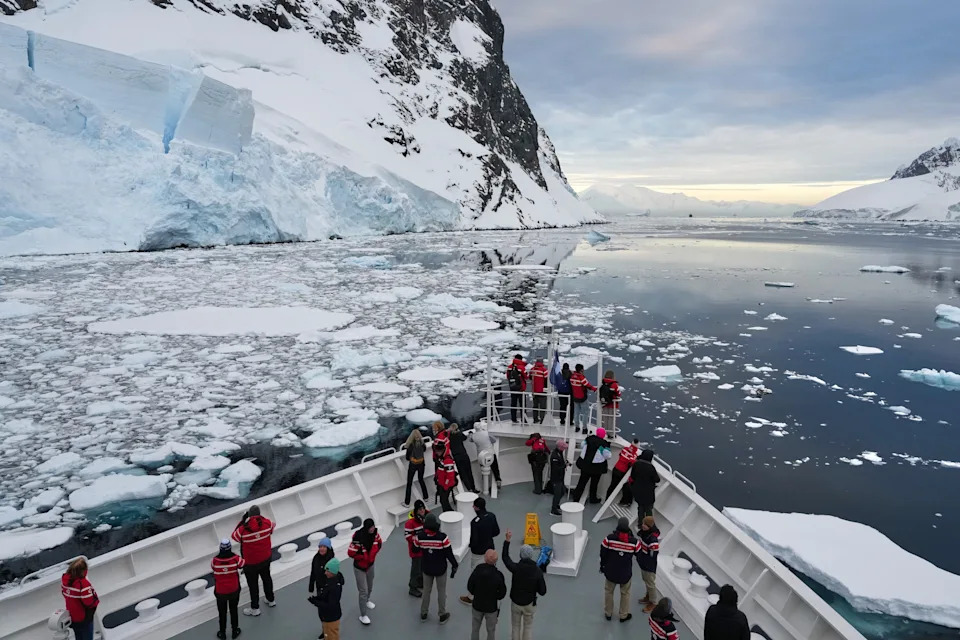
Passengers watch as a ship sails through the Lemaire Channel in Antarctica, Monday, Nov. 24, 2025. (AP Photo/Mark Baker)(ASSOCIATED PRESS)
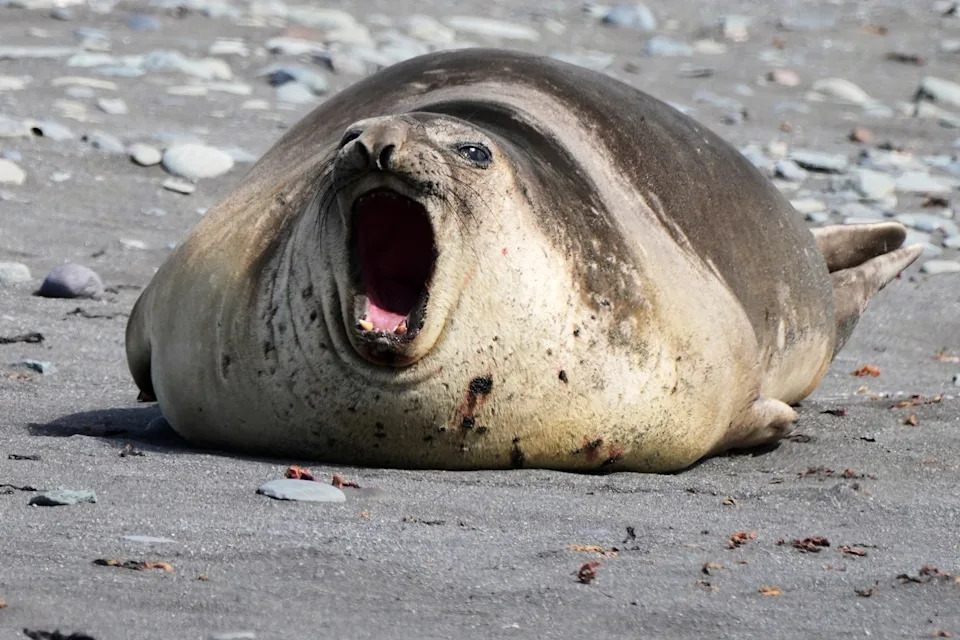
A elephant seal reacts at Walker Island in Antarctica, Wednesday, Nov. 26, 2025. (AP Photo/Mark Baker)(ASSOCIATED PRESS)
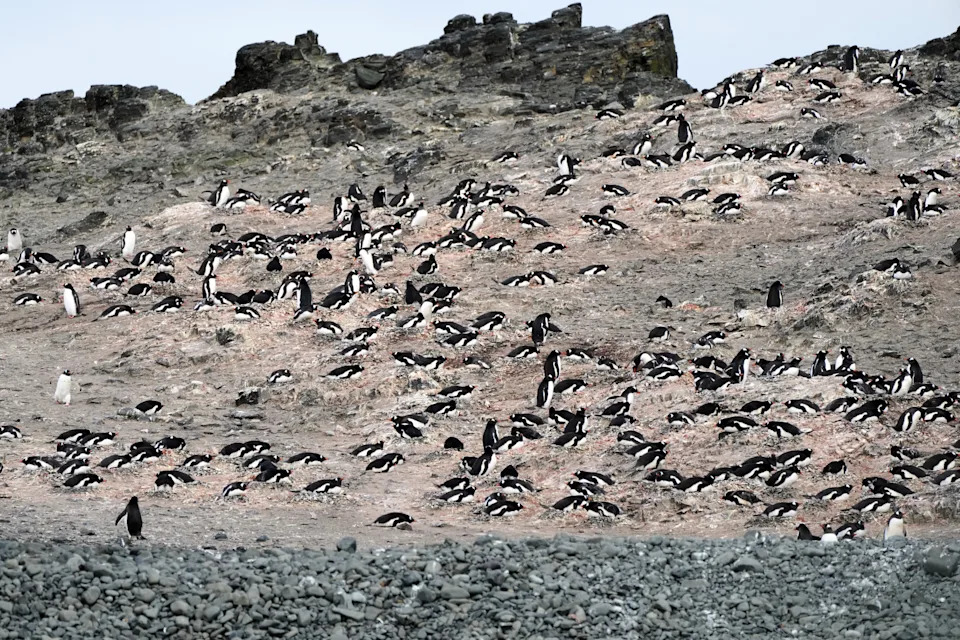
Gentoo penguins nest at Walker Island in Antarctica, Wednesday, Nov. 26, 2025. (AP Photo/Mark Baker)(ASSOCIATED PRESS)
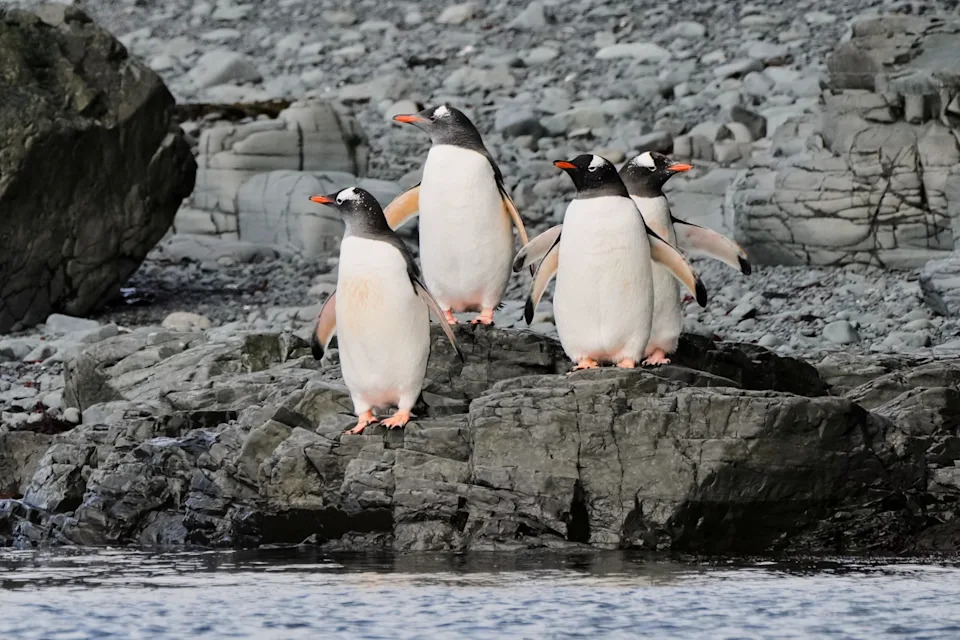
Gentoo penguins prepare to enter the water at Walker Island in Antarctica, Wednesday, Nov. 26, 2025. (AP Photo/Mark Baker)(ASSOCIATED PRESS)
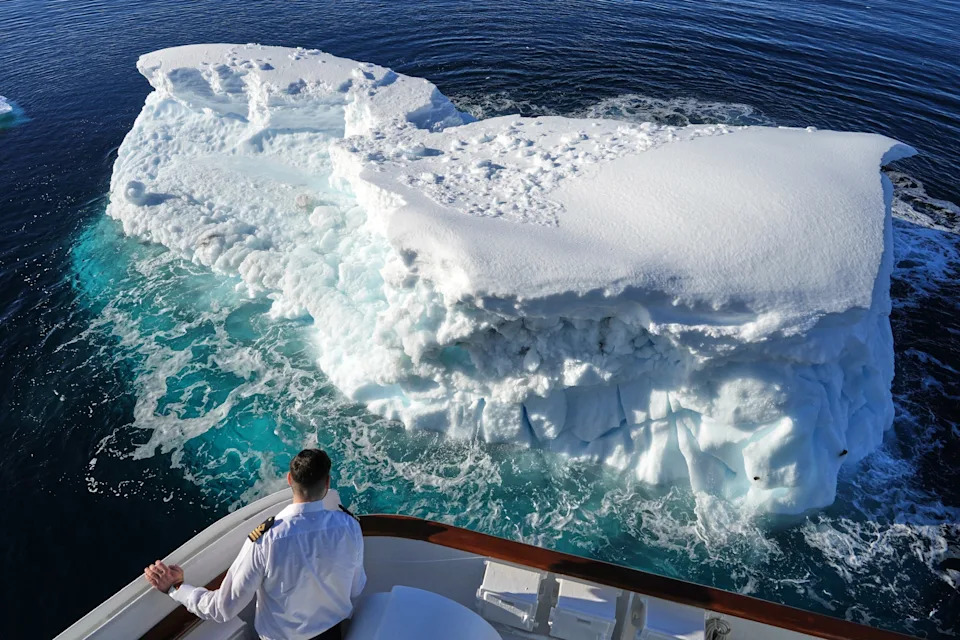
A member of the ship's crew looks at an iceberg near Yalour Islands in Antarctica, Monday, Nov. 24, 2025. (AP Photo/Mark Baker)(ASSOCIATED PRESS)
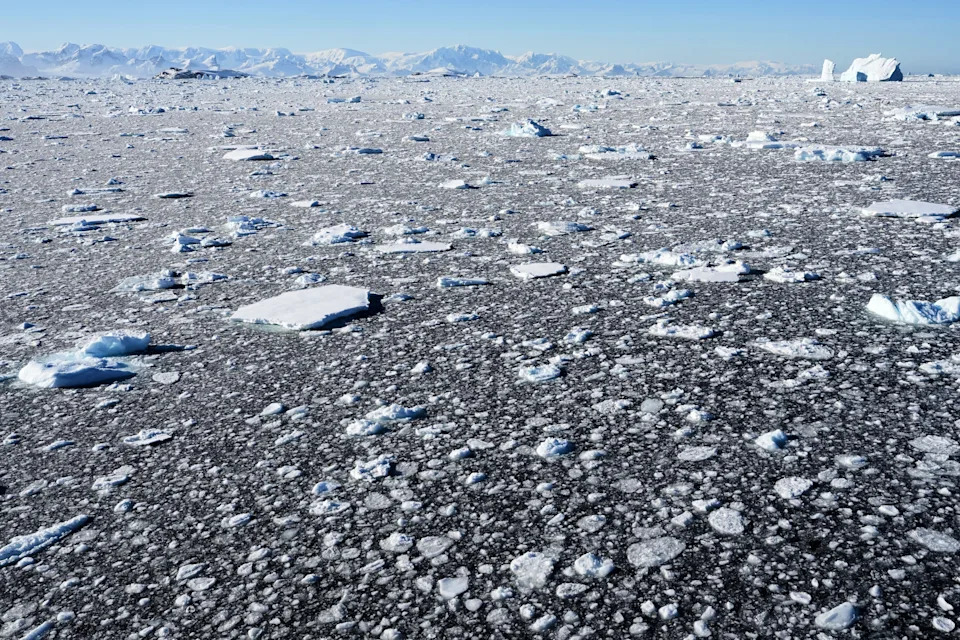
Sea ice covers the ocean at Yalour Islands in Antarctica, Monday, Nov. 24, 2025. (AP Photo/Mark Baker)(ASSOCIATED PRESS)
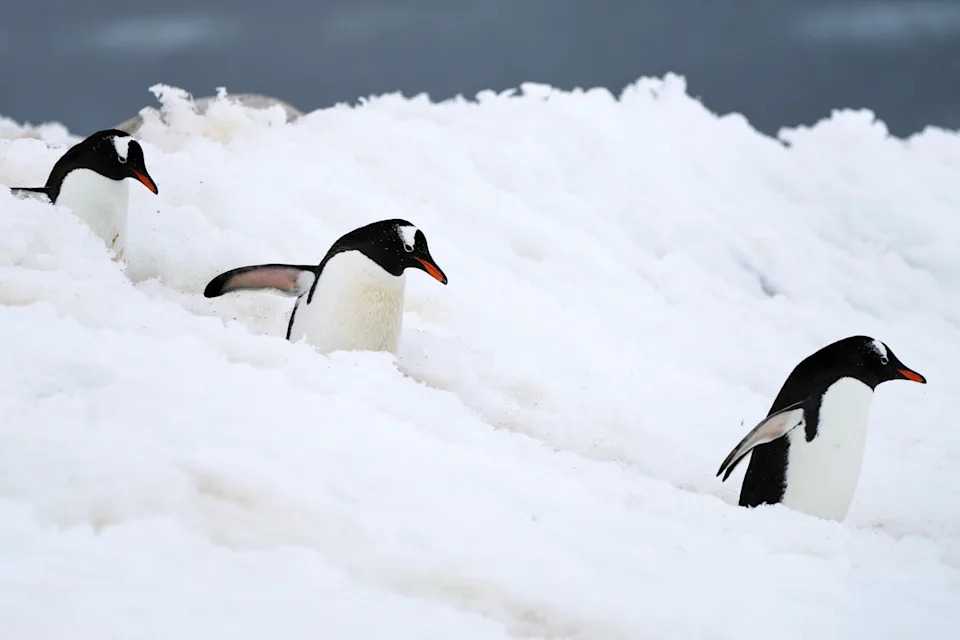
Gentoo penguins walk at Neko Harbour in Antarctica, Saturday, Nov. 22, 2025. (AP Photo/Mark Baker)(ASSOCIATED PRESS)
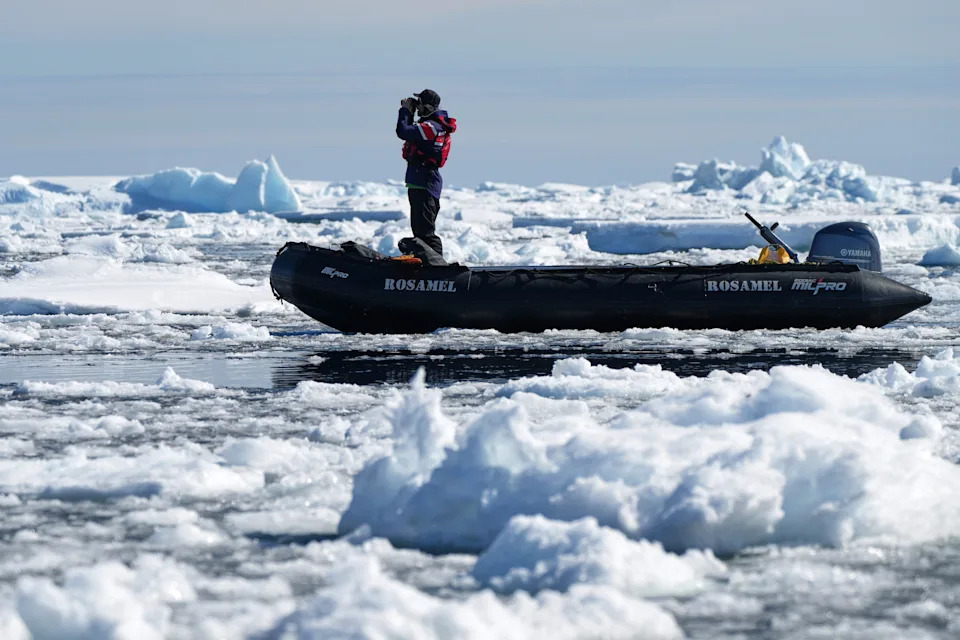
A crew member looks for whales at Yalour Islands in Antarctica, Monday, Nov. 24, 2025. (AP Photo/Mark Baker)(ASSOCIATED PRESS)
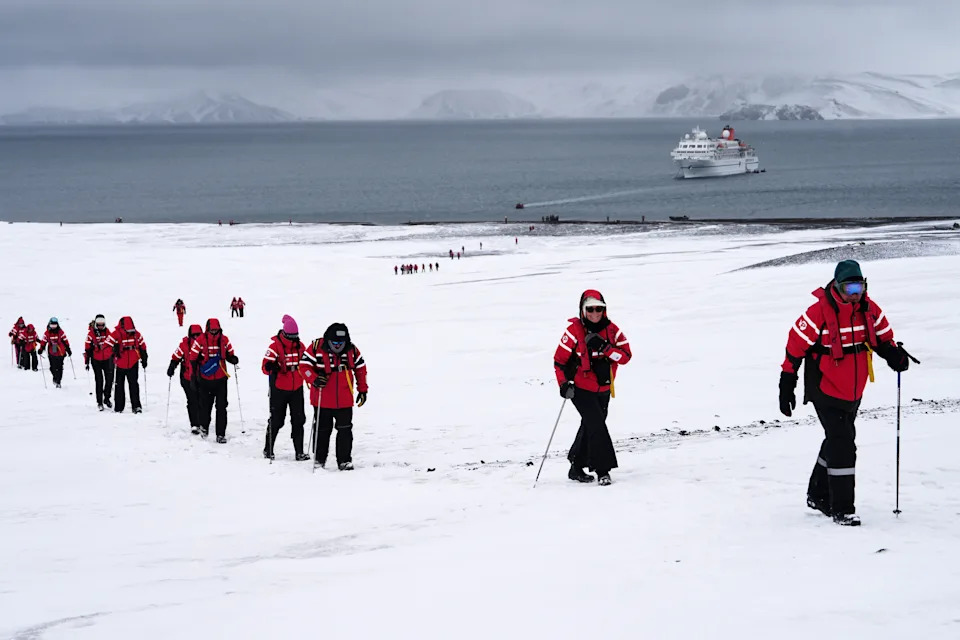
Passengers walk inside the volcano at Deception Island in Antarctica, Wednesday, Nov. 26, 2025. (AP Photo/Mark Baker)(ASSOCIATED PRESS)
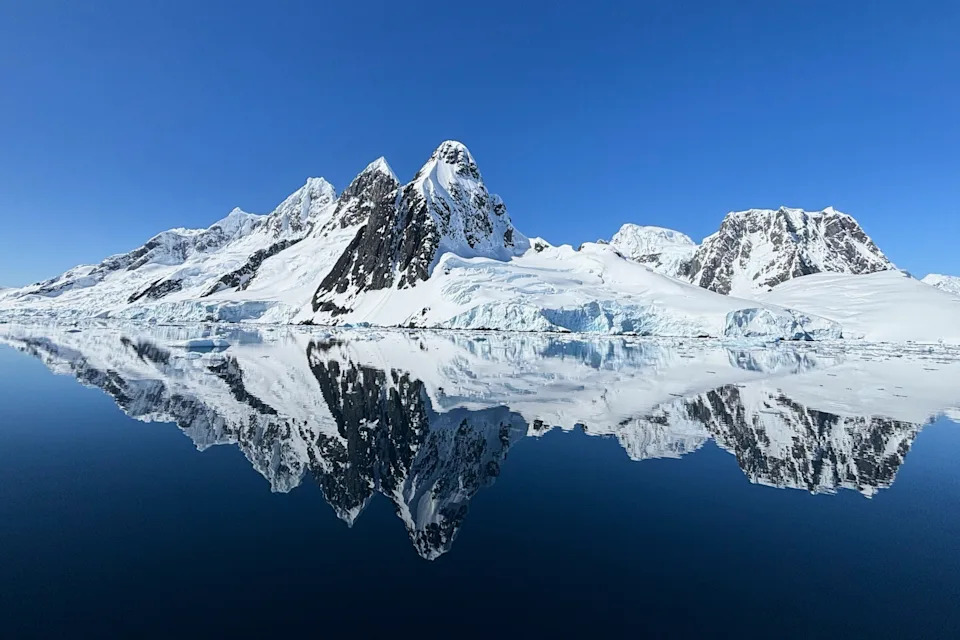
An ice covered rock formation is reflected in the waters at Pleneau Island in Antarctica, Monday, Nov. 24, 2025. (AP Photo/Mark Baker)(ASSOCIATED PRESS)

A Pintado petrel flys over the Drakes Passage on the way to Antarctica, Thursday, Nov. 20, 2025. (AP Photo/Mark Baker)(ASSOCIATED PRESS)
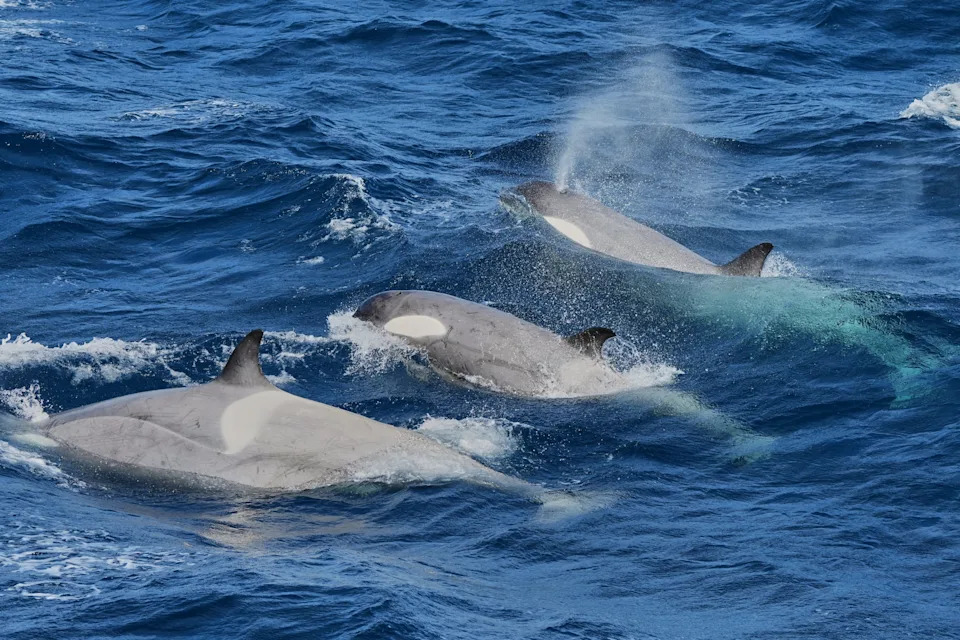
A pod of orcas swim in the Drake Passage en route to Antarctica, Friday, Nov. 21, 2025. (AP Photo/Mark Baker)(ASSOCIATED PRESS)
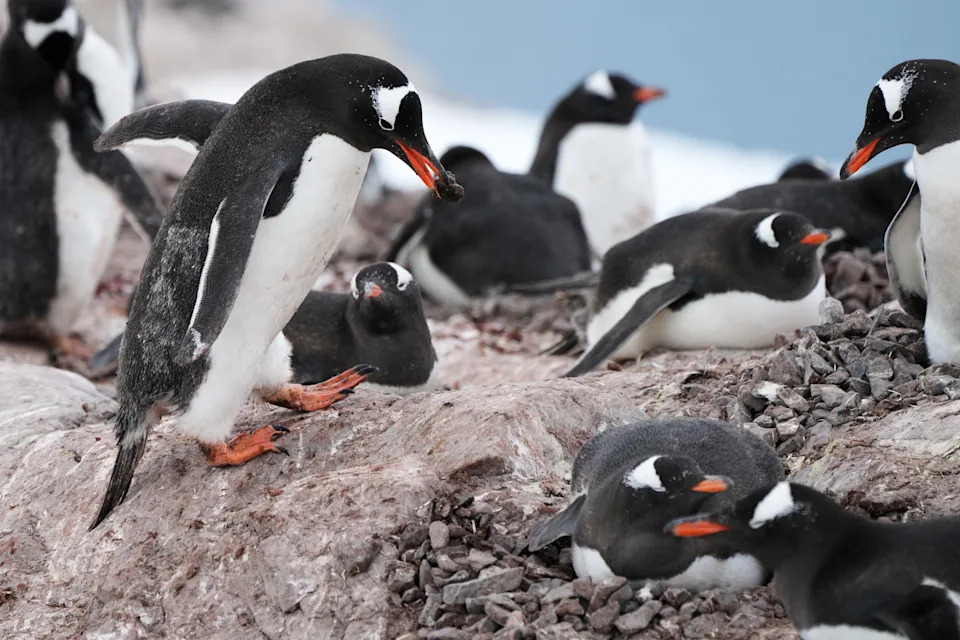
Gentoo penguins nest at Neko Harbour in Antarctica, Saturday, Nov. 22, 2025. (AP Photo/Mark Baker)(ASSOCIATED PRESS)
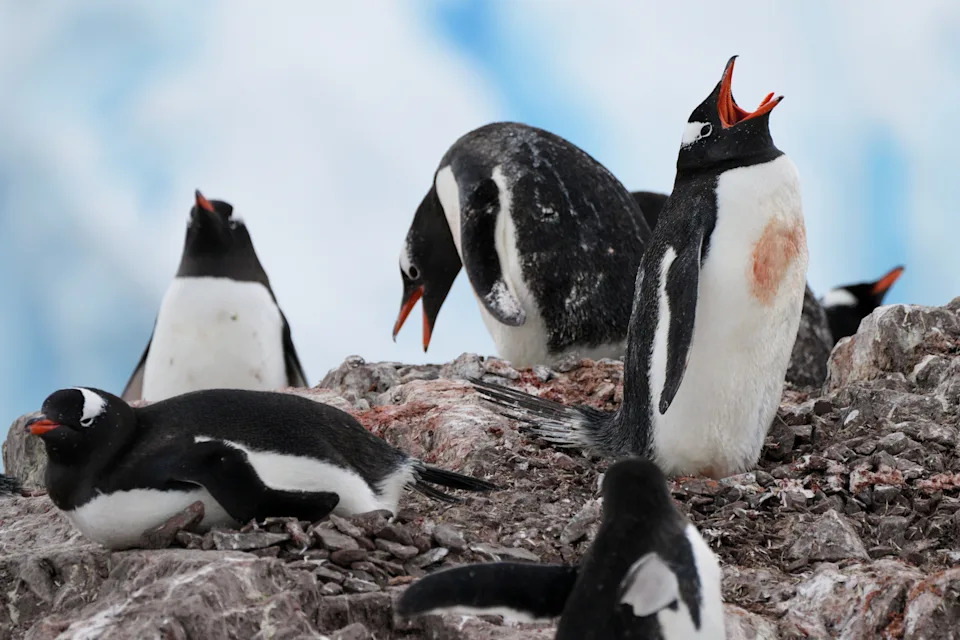
Gentoo penguins nest at Neko Harbour in Antarctica, Saturday, Nov. 22, 2025. (AP Photo/Mark Baker)(ASSOCIATED PRESS)
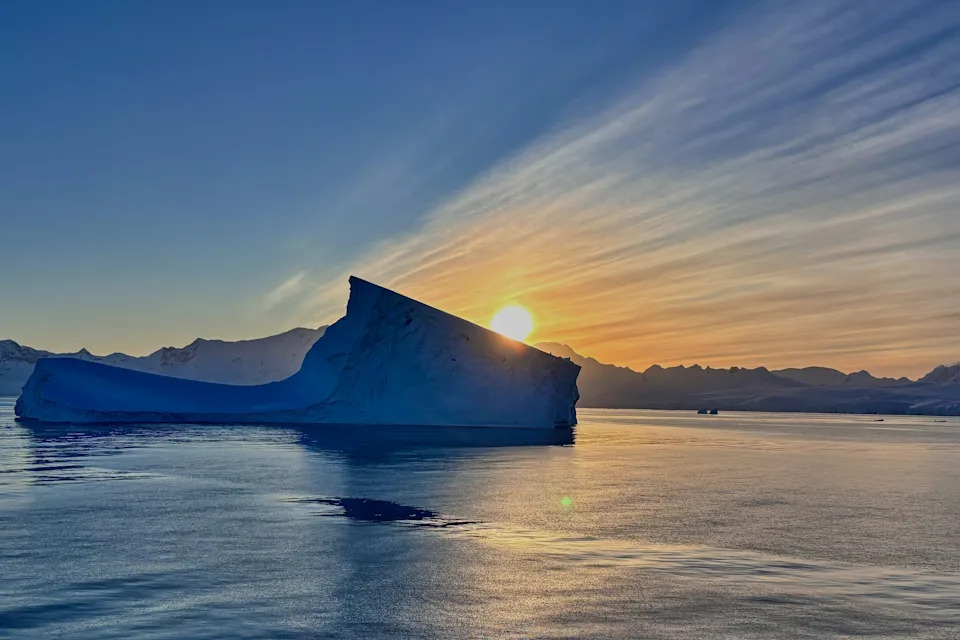
The sun sets near a iceberg in Antarctica, Friday, Nov. 21, 2025. (AP Photo/Mark Baker)(ASSOCIATED PRESS)


