Researchers engineered Pseudomonas putida to biosynthetically produce the cephalopod pigment xanthommatin by making cell growth dependent on a formate byproduct of the pigment pathway. Under this selective pressure the microbes produced up to 1,000× more xanthommatin than earlier lab methods. Automation and bioinformatics optimized strains and scale‑up, opening the door to "living coloration" for adaptive coatings, UV‑protectant sunscreens, displays and wearable sun sensors.
Bacteria Trained to Mass‑Produce Cephalopod Pigment — 1,000× Boost Could Unlock Color‑Changing Materials

Scientists engineer microbes to make a cephalopod color‑shifting pigment at scale
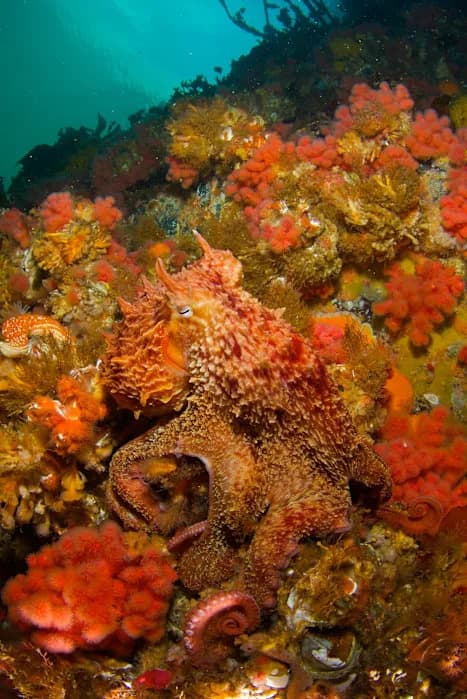
Cephalopods such as octopuses, cuttlefish and squid owe part of their remarkable color‑shifting ability to the pigment xanthommatin. Found in chromatophores—specialized skin cells that contain pigments—xanthommatin is an antioxidant derived from the amino acid tryptophan and contributes to the vivid, adaptable colors these animals display.
From sea to lab: a faster, greener route
Harvesting xanthommatin from animals is inefficient, and previous chemical syntheses were slow or impractical. A team from the Moore Lab at Scripps Oceanography, UC San Diego, and the Novo Nordisk Foundation Center for Biosustainability, led by Leah Bushin (now at Stanford), has developed a far faster and more sustainable biosynthetic route that coaxes microbes to produce the pigment.
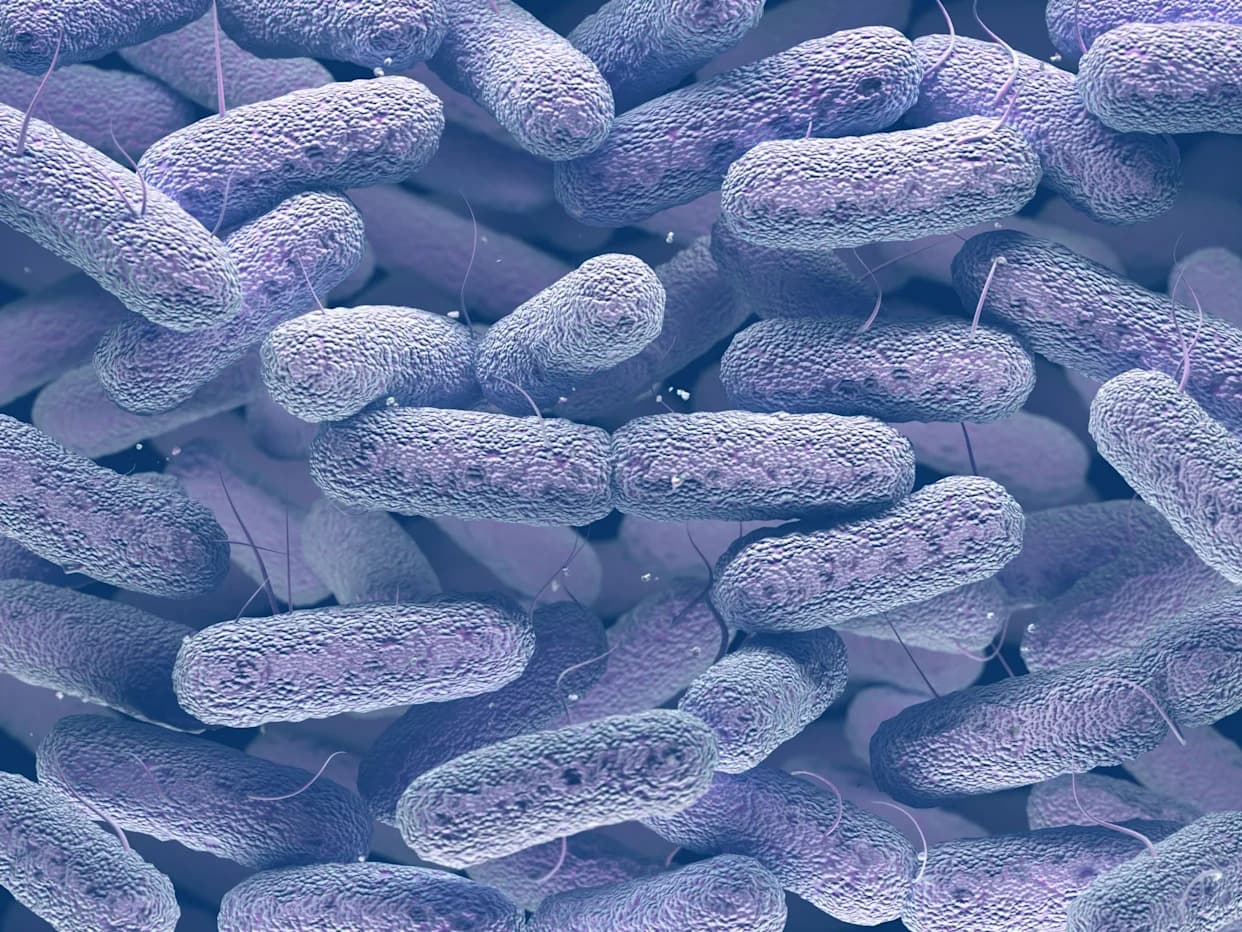
The researchers genetically engineered the bacterium Pseudomonas putida so that its growth depended on producing formate, a byproduct released when tryptophan is converted into xanthommatin. In effect, the microbes could not grow unless they completed the pigment pathway, creating a continuous growth feedback loop that pushed cells to synthesize xanthommatin.
Left to grow under these constraints, the engineered bacteria produced up to 1,000 times more xanthommatin than previous laboratory methods.
Scaling and optimization
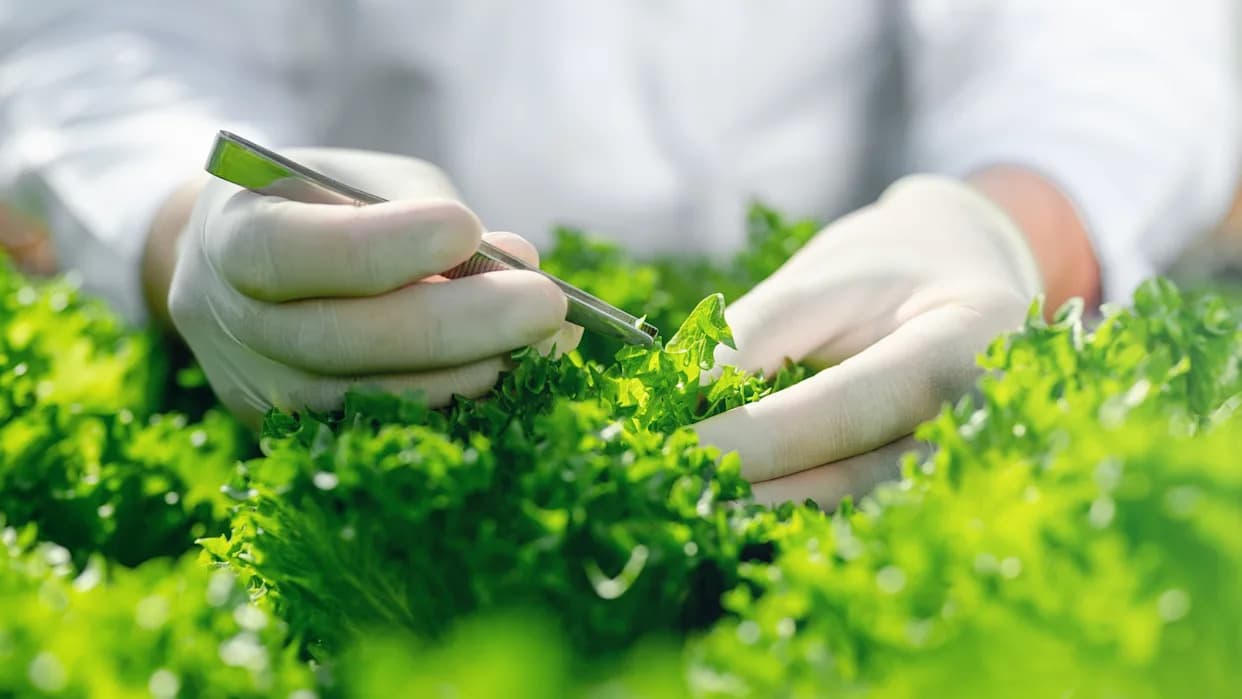
To scale and optimize production the team automated parts of the workflow with robotics and used bioinformatics to identify which genetic changes in P. putida increased yields and efficiency. Collaborations with Adam Feist at UC San Diego and the Novo Nordisk Center helped streamline strain engineering and screening. The result is a practical route to significant quantities of xanthommatin and a foundation for "living coloration"—microbe‑derived pigments embedded in materials.
Potential applications and considerations
Xanthommatin’s optical and electronic properties make it attractive for a variety of applications currently under exploration: adaptive coatings and displays, paints that shift with lighting, mineral sunscreens that enhance UV protection, and wearable solar sensors that change color with sun exposure. Early prototypes and formulations are already being developed.
As with any bioengineered product, researchers emphasize the need to evaluate safety, stability, and regulatory compliance for consumer use—especially for living biomaterials that contain viable cells. The biosynthetic route, however, promises a more sustainable supply chain and new creative possibilities for materials that respond to their environment.
Bottom line: By rewiring bacterial metabolism to depend on a pigment pathway, scientists have unlocked a scalable method to produce xanthommatin, bringing cephalopod‑like color‑shifting technologies closer to real‑world applications.
Help us improve.