Cephalopods combine chromatophores, iridophores and leukophores to change color, reflectivity and texture in milliseconds. Scientists are mimicking those mechanisms with stretchable reflective skins, color-changing membranes and texture-shifting fabrics. A breakthrough method uses engineered bacteria to produce the cephalopod pigment xanthommatin cheaply, spawning cosmetic and coating applications such as the Xanthochrome product line. Structural studies of squid reflectin proteins inspired flexible skins that switch between transparency and iridescence. While true invisibility is impossible, practical camouflages could reach consumers within a decade for military and everyday uses.
From Octopus Skin to Smart Camouflage: How Cephalopod Biology Inspires Near-Invisibility
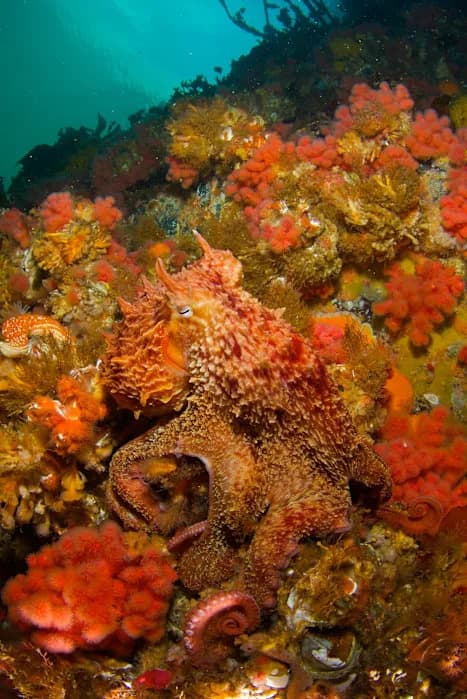
Cephalopods like the giant Pacific octopus (Enteroctopus dofleini) are masters of camouflage. As researchers gain a better understanding of how these animals hide in plain sight, they're also trying to harness octopus tricks for human technologies.Todd Mintz, Nature Picture Library
Octopuses, squid and other cephalopods are nature's masters of near-invisibility, able to change color, reflectivity and texture in milliseconds to blend with complex underwater environments. As an octopus glides across sand or tucks into seaweed, its skin can shift from grainy beige to mottled gray to iridescent green. Squid can appear shiny, opalescent or even transparent against shifting underwater light.
How Cephalopods Pull Off Rapid Camouflage
Cephalopod skin combines several specialized elements to manipulate light and appearance:
- Chromatophores: Pigment sacs that expand or contract to show colors; many use pigments such as xanthommatin.
- Iridophores: Layers of proteins that reflect specific wavelengths, producing iridescence and structural color.
- Leukophores: Light-scattering cells that appear white and boost contrast.
Turning Biology Into Materials
Researchers are translating these biological tricks into engineered materials: stretchable reflective skins, membranes that refract light to change color, films and fibers that scatter light, and silicon-mesh fabrics that alter surface texture. Most prototypes remain at the lab or pilot stage while teams work on scale-up and manufacturing challenges.
Cheap Pigment Production: Xanthommatin
A notable advance is the biological production of xanthommatin, a pigment used by some cephalopods. Leila Deravi's group and collaborators at the Scripps Institution of Oceanography developed a method that engineers bacteria so pigment production is tied to cell survival, making production inexpensive and scalable. Lead researcher Leah Bushin (now at Stanford) framed the approach as giving microbes an incentive to make the compound rather than treating it as a metabolic burden. Brad Moore of UC San Diego calls the method close to a chemical engineering 'holy grail': ferment simple sugars and water to produce valuable materials.
The lab-scale output is already inexpensive enough for high-school volunteers to experiment with xanthommatin-based paints. Potential applications include coatings, electronics, and cosmetics. Deravi's lab has patented a cosmetic-grade variant called Xanthochrome, and Deravi and former student Camille Martin launched Seaspire to market products that incorporate the pigment. Tests on coral cuttings reported no harmful effects, suggesting reef-safe potential.
Structural Color And Rapid Iridescence
Beyond pigments, structural color — the way light is reflected by microscopic structures — is central to cephalopod camouflage. In June, researchers from the Marine Biological Laboratory (MBL) and UC Irvine mapped the architecture of squid iridophores and identified stacked columns of reflectin proteins that act like minuscule multi-layered mirrors. These structures let squid switch between transparency and iridescence in milliseconds. The team then engineered a flexible skin that mimics this dynamic reflectivity.
Key Prototypes And Milestones
- 2017: Programmable surfaces that shift from flat to textured (mimicking octopus papillae).
- 2018: Elastic, squid-inspired skins that change reflectance when stretched and can evade infrared detection.
- 2023: A blue-ringed-octopus–inspired device that alters color/pattern across parts of the electromagnetic spectrum and can self-repair—useful for remote or harsh environments.
Applications, Limits, And Outlook
Potential uses range from military camouflage (masking equipment and personnel from thermal drones) to consumer products such as adaptive camping gear, apparel, and building materials with self-adjusting reflective layers. Coatings that help electronics manage heat are another possibility. But true invisibility that breaks optical laws is not physically possible; instead, the goal is practical 'pseudo-invisibility'—looking so much like the background that detection becomes unlikely.
It is unlikely we will achieve literal invisibility, but we can engineer materials that blend so well with their background that you can’t tell they are there — turning visibility into semantics.
Researchers—including Alon Gorodetsky (UC Irvine) and Roger Hanlon (MBL)—are optimistic that some cephalopod-inspired materials could reach consumers within a decade, provided production and durability challenges are solved. For now, the field remains a fertile intersection of biology, materials science and engineering with wide commercial and scientific promise.
Help us improve.